Get your free personalized podcast brief
We scan new podcasts and send you the top 5 insights daily.
The legal question of AI authorship has a historical parallel. Just as early photos were deemed copyrightable because of the photographer's judgment in composition and lighting, AI works can be copyrighted if a human provides detailed prompts, makes revisions, and exercises significant creative judgment. The AI is the tool, not the author.

Related Insights
Unlike platforms like YouTube that merely host user-uploaded content, new generative AI platforms are directly involved in creating the content themselves. This fundamental shift from distributor to creator introduces a new level of brand and moral responsibility for the platform's output.

Regardless of an AI's capabilities, the human in the loop is always the final owner of the output. Your responsible AI principles must clearly state that using AI does not remove human agency or accountability for the work's accuracy and quality. This is critical for mitigating legal and reputational risks.
The legality of using copyrighted material in AI tools hinges on non-commercial, individual use. If a user uploads protected IP to a tool for personal projects, liability rests with the user, not the toolmaker, similar to how a scissor company isn't liable for copyright infringement via collage.
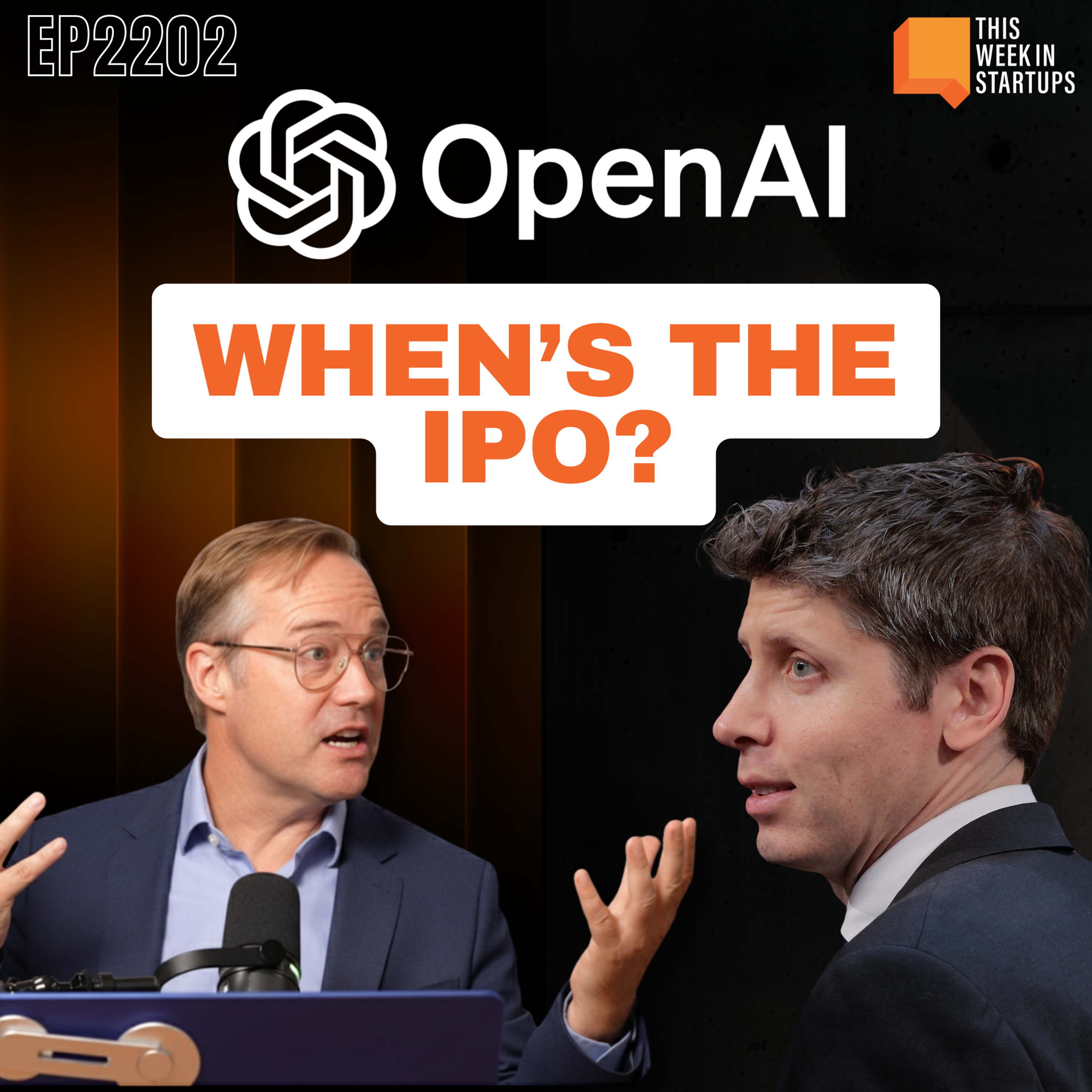
Sam Altman argues the AI vs. human content debate is a false dichotomy. The dominant creative form will be a hybrid where humans use AI as a tool. Consumers will ultimately judge content on its quality and originality ('is it slop?'), not on its method of creation.
AI tools rarely produce perfect results initially. The user's critical role is to serve as a creative director, not just an operator. This means iteratively refining prompts, demanding better scripts, and correcting logical flaws in the output to avoid generic, low-quality content.

To handle royalties for AI-generated music, platforms can analyze the final audio file to algorithmically determine the likely prompt (e.g., "Taylor Swift singing a Gunna song"). This allows for fair royalty splits between the referenced artists, creating a viable monetization path.
Actors like Bryan Cranston challenging unauthorized AI use of their likeness are forcing companies like OpenAI to create stricter rules. These high-profile cases are establishing the foundational framework that will ultimately define and protect the digital rights of all individuals, not just celebrities.

When an AI tool generates copyrighted material, don't assume the technology provider bears sole legal responsibility. The user who prompted the creation is also exposed to liability. As legal precedent lags, users must rely on their own ethical principles to avoid infringement.

The core legal battle is a referendum on "fair use" for the AI era. If AI summaries are deemed "transformative" (a new work), it's a win for AI platforms. If they're "derivative" (a repackaging), it could force widespread content licensing deals.

While an AI model itself may not be an infringement, its output could be. If you use AI-generated content for your business, you could face lawsuits from creators whose copyrighted material was used for training. The legal argument is that your output is a "derivative work" of their original, protected content.