Get your free personalized podcast brief
We scan new podcasts and send you the top 5 insights daily.
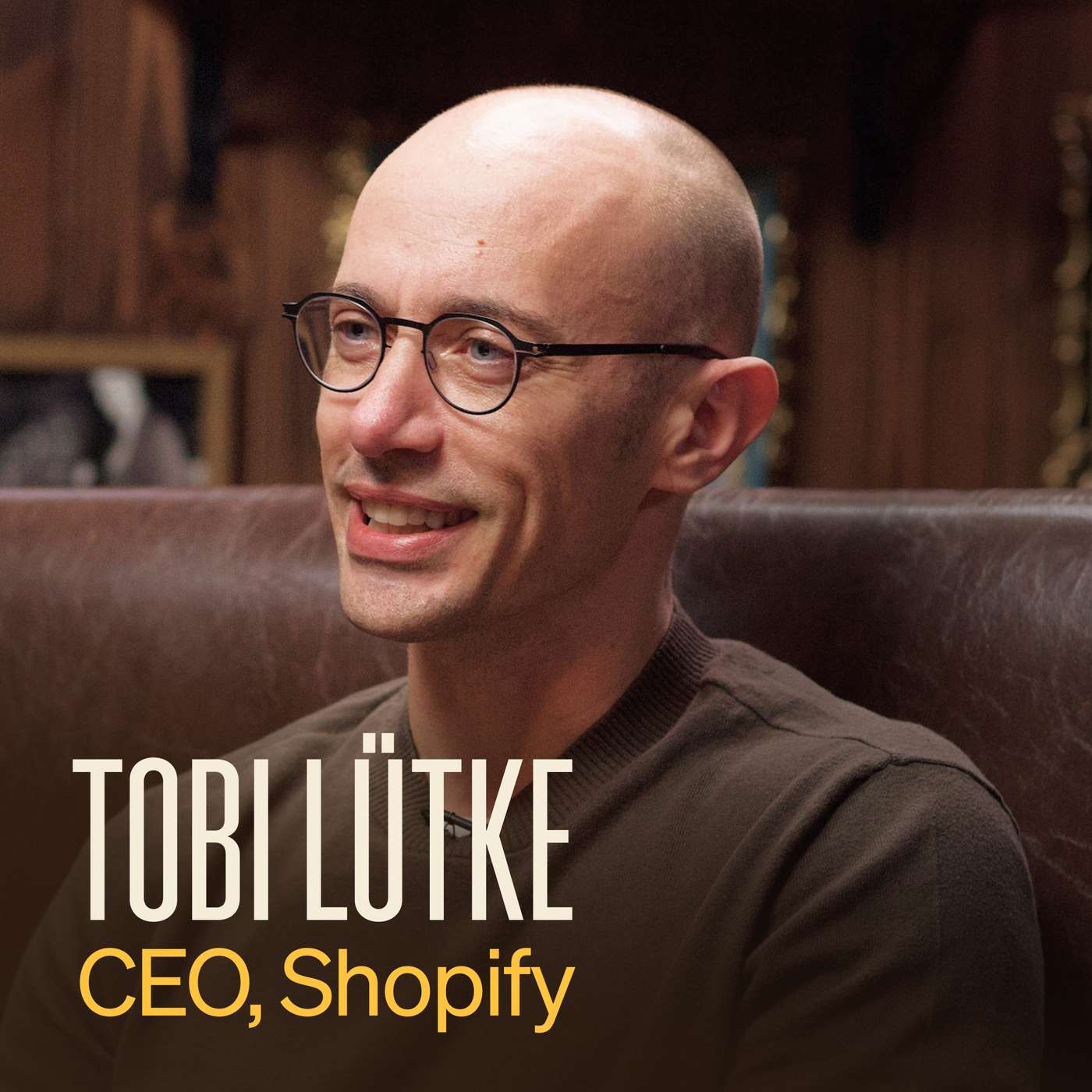
Contrary to expectations, the 2008 recession was a tailwind for Shopify. As people lost their jobs, many turned to entrepreneurship out of necessity or to pursue long-held ideas. This created a new wave of customers who needed a platform to build their own online businesses.

Related Insights
Despite knowing customers would pay far more, Shopify intentionally underpriced its product. This lowered the barrier to entry for entrepreneurs, focusing on massive user acquisition and solving merchant problems first.

The best time to launch a company is at the bottom of a recession. Key inputs like talent and real estate are cheap, which enforces extreme financial discipline. If a business can survive this environment, it emerges as a lean, resilient "fighting machine" perfectly positioned to capture upside when the market recovers.

Launching during the 2008 financial crisis helped AppDynamics. Their value proposition centered on preventing downtime, which directly translates to preventing lost revenue. For companies scrutinizing every dollar, investing in a tool to protect their core business became a necessity, not an optional expense.

Launching during a downturn can be advantageous. With less competition, a compelling story can gain significant PR traction. Larroudé's founders leveraged the 2020 pandemic when other brands were silent, mirroring the retail boom that followed the 2008 crisis.

The Great Depression paradoxically created more millionaires than other periods. Extreme hardship forces a subset of people into a "hunger mode" where their backs are against the wall. This desperation fuels incredible innovation and company creation, provided the government clears regulatory hurdles for rebuilding.

Contrary to strong headline job numbers, Gusto's platform data shows that hiring among existing small businesses remains depressed. However, this weakness is offset by a significant increase in the formation of new businesses and new employers, painting a more nuanced picture of the American economy's health.

Platforms like Shopify have enabled small businesses to have faster, higher-converting, and more technically performant online stores than many large, established brands running on clunky, homegrown legacy systems.
While competitors retrenched during the 2008 financial crisis, Lovesack pursued a contrarian growth strategy. Because struggling retailers were more open to making deals, the company aggressively expanded its physical store locations, building a strong platform for growth when the market eventually recovered.

Betterment founder Jon Stein, who launched during the 2008 crisis, advises that uncertain economic times are ripe for new ventures. Fear reduces competition and can create unique market openings for founders willing to build while others are hesitant.
While pundits fear AI will create a 'permanent underclass,' Tobi Lütke reports that Shopify's small business customers have the opposite experience. They see AI as a powerful force multiplier that finally makes complex technology accessible, enabling them to grow their businesses and hire more people.
