Get your free personalized podcast brief
We scan new podcasts and send you the top 5 insights daily.
After a lifetime of struggle, including addiction and being sectioned, Ben Branson's late neurodiversity diagnosis provided a framework to understand himself. This didn't change his past but gave him clarity and, for the first time, permission to be self-compassionate.

Related Insights
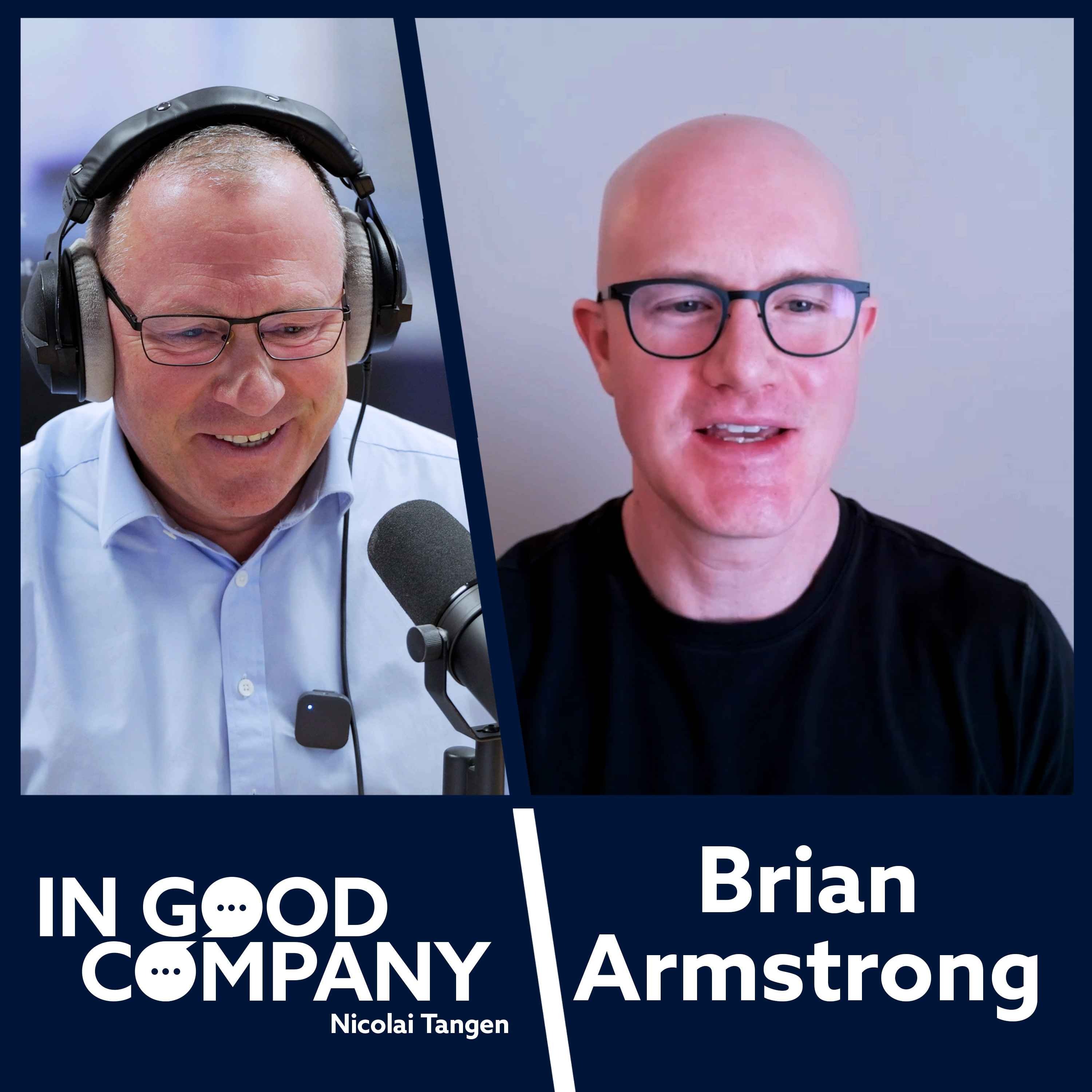
Brian Armstrong suggests his success is linked to a trait associated with the autism spectrum: a reduced concern for social cohesion. This allows him to ask seemingly "dumb" questions and pursue non-consensus ideas without fear of looking foolish, which is crucial for finding unique insights and driving innovation.
Bryce Dallas Howard's learning disability tests also revealed she was in the top 1% for common sense. This single data point allowed her to regain confidence and view herself as a "gifted challenged" person, fundamentally changing her approach to her education and career.

A marketer explains how a recent ADHD diagnosis retroactively explained a career of mistakes, such as distraction and administrative errors. This reframes events not as personal failings but as manifestations of neurodiversity. Understanding the 'why' behind past struggles can be a powerful tool for self-compassion and future strategy in any professional role.

VC Peter Thiel argues that founders with mild Asperger's have an advantage because they lack the 'imitation socialization gene.' This makes them immune to social pressure that often dilutes weird, creative, and world-changing ideas before they can mature.

The pain of feeling like an outcast as a child can become a gift. This experience of exclusion can foster a profound desire to make others feel included, transforming a personal wound into a powerful source of empathy and a lifelong mission to create connection for others.

Procurement leader Helen Thompson reveals her ADHD diagnosis at age 41 was transformational. It allowed her to understand her unique brain wiring, recontextualizing past challenges and enabling her to consciously harness neurodivergent strengths like creativity and hyper-focus that she couldn't previously leverage systematically.

Early ADHD research focused on hyperactive boys, ignoring how symptoms present in girls (withdrawal, self-criticism, anxiety). This resulted in a 'lost generation' of women who were treated for anxiety for decades when the underlying issue was actually a neurodivergent condition like ADHD.

After suffering from performance anxiety, Young was diagnosed with childhood separation anxiety. Rather than feeling stigmatized, he felt relieved. The diagnosis provided a framework for understanding his lifelong struggles, and this knowledge became a powerful form of treatment by making sense of his experiences.

The guest reframes his ADHD as the primary reason for his success. While it caused academic struggles, it made him highly social and outgoing. This enabled him to build deep relationships and find belonging in his friends' families, a skill he later leveraged in business to build his network.

The most driven entrepreneurs are often fueled by foundational traumas. Understanding a founder's past struggles—losing family wealth or social slights—provides deep insight into their intensity, work ethic, and resilience. It's a powerful, empathetic tool for diligence beyond the balance sheet.
![Martín Escobari - Inside General Atlantic - [Invest Like the Best, EP.449] thumbnail](https://megaphone.imgix.net/podcasts/90e6e3e6-c984-11f0-ae5f-27bb851bdc56/image/608fac468f77cb3014e96336896d96de.jpg?ixlib=rails-4.3.1&max-w=3000&max-h=3000&fit=crop&auto=format,compress)