Get your free personalized podcast brief
We scan new podcasts and send you the top 5 insights daily.
A senior engineer, confident in their design, submitted it to a review at a junior engineer's request. The junior engineer found a critical flaw that would have made the product unusable. This underscores that tunnel vision is universal and diverse perspectives in reviews are non-negotiable, regardless of hierarchy.

Related Insights
When senior engineers move away from hands-on coding, their understanding of the system becomes abstract. This leads to designs disconnected from reality, and they lose the trust of their team, who see them as out-of-touch architects without "skin in the game."

AI agents function like junior engineers, capable of generating code that introduces bugs, security flaws, or maintenance debt. This increases the demand for senior engineers who can provide architectural oversight, review code, and prevent system degradation, making their expertise more critical than ever.

Contrary to the belief that AI levels the playing field, senior engineers extract more value from it. They leverage their experience to guide the AI, critically review its output as they would a junior hire's code, and correct its mistakes. This allows them to accelerate their workflow without blindly shipping low-quality code.

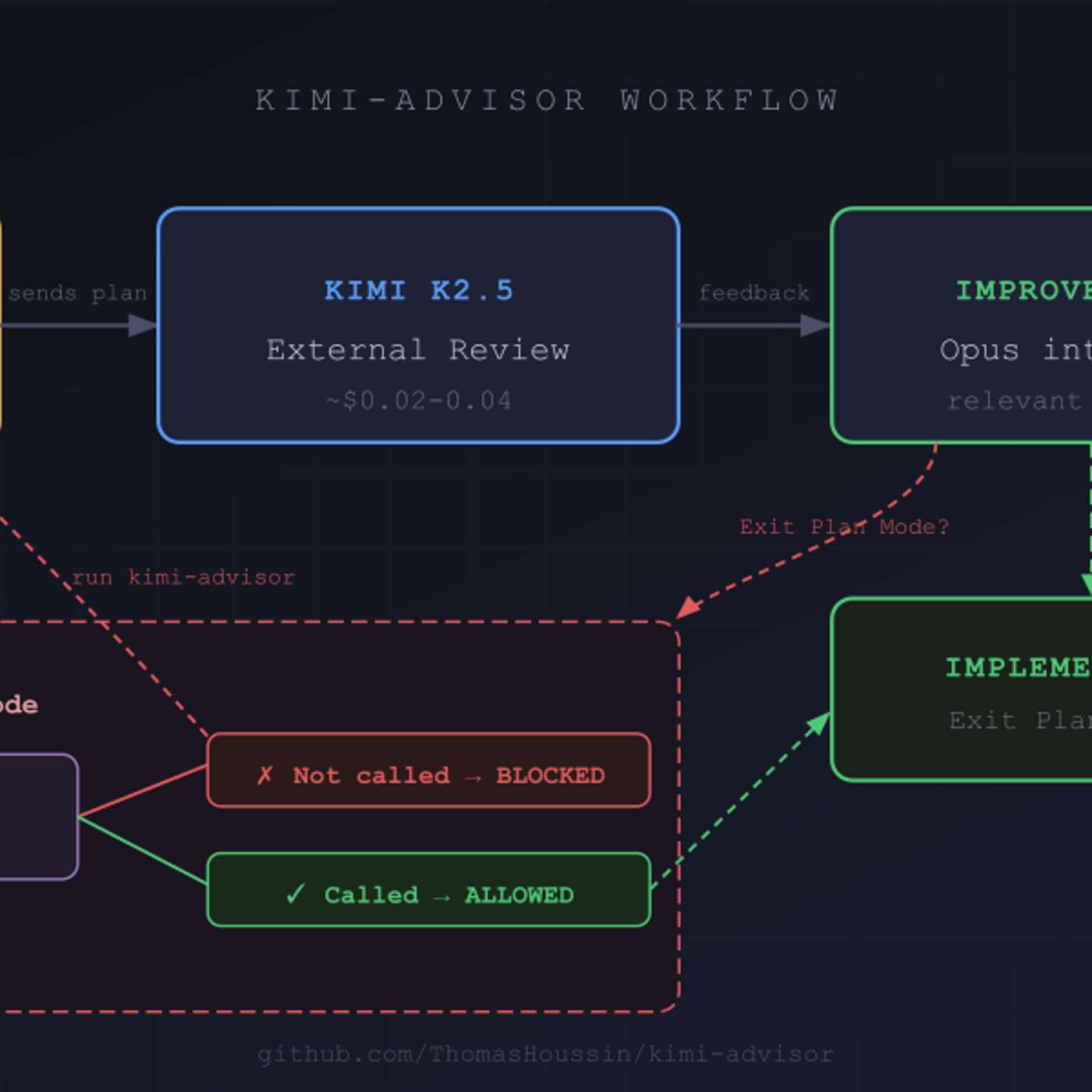
An external AI reviewer provides more than just high-level feedback; it can identify specific, critical technical flaws. In one case, a reviewer AI caught a TOCTOU race condition vulnerability, suboptimal message ordering for LLM processing, and incorrect file type classifications—all of which were integrated and fixed by the primary AI.
Managing innovative teams requires a balancing act. While sharing resources like software improves efficiency, it creates blind spots. Leaders should intentionally foster independent 'splinter groups' to work on the same problem, ensuring critical comparisons can be made to uncover hidden errors.

A senior engineer’s greatest asset is their ability to recognize patterns from past projects—what worked and what failed. Junior team members can accelerate their work by asking seniors if they've encountered similar problems, providing a validated starting point and avoiding paths known to be dead ends.
To ensure rigorous vetting of ideas, create an environment of friendly competition between teams. This structure naturally motivates each group to find flaws in the other's thinking, a process that might be socially awkward in a purely collaborative setting. The result is a more robust, error-checked outcome.

An engineer with deep project involvement develops tunnel vision. Bringing in a senior engineer who is unfamiliar with the project allows for high-level pattern recognition and questions about fundamentals (like manufacturability) that the core team may have overlooked while deep in the weeds.
Early in his career, the speaker assumed senior leaders were aware of all problems. He learned the opposite is true: people in the trenches see things leaders miss. It's crucial for junior employees to be vocal about problems and opportunities they identify.

In regulated industries where projects "take a village," the most crucial skill is not raw engineering talent, but communication. The ability to align a team, share ideas, and ensure mutual understanding is paramount, as a single dropped ball in communication can derail an entire product launch.