Get your free personalized podcast brief
We scan new podcasts and send you the top 5 insights daily.
Marc Benioff, Salesforce's tall CEO, deliberately stages photos where he physically towers over other tech leaders like Jensen Huang. This is a calculated act of corporate theater, using physical presence to non-verbally assert dominance and control the narrative, especially during challenging periods for the SaaS industry like the "Sasspocalypse."

Related Insights
Anthropic CEO Dario Amodei's joint appearance with Salesforce's Marc Benioff was a strategic move to soften Anthropic's threatening "death star" image. Influenced by pre-IPO investors, the goal was to appear more like a friendly partner to enterprise software companies rather than a disruptor aiming to subsume them.

Jensen Huang explains his reluctance to talk about himself by stating he's a "Battlefield CEO." His ideal day involves being in trouble and solving a crisis. This reveals a leadership archetype built for action and existential problem-solving rather than peacetime management or self-reflection.

Unlike past eras, tech leaders are constantly on stage or social media. Swisher argues this isn't just ego; it's a strategic necessity born from tech's deep entanglement with politics since the Trump administration, forcing them to constantly perform and grasp for power and influence.
Instead of aggressive pushback, powerful executives respond to criticism with invitations for meetings and speaking engagements. This charm offensive is a deliberate strategy to co-opt critics, making them less likely to speak their minds freely. Maintaining objectivity requires actively avoiding these relationships.

Innovation capital is the credibility needed to win support for unproven ideas. Even top leaders like Salesforce's CEO Mark Benioff consciously build this capital, demonstrating that authority alone is insufficient to drive major innovation initiatives.
Unlike media-paranoid tech leaders of the past, Ben Smith observes that the new generation of AI CEOs (e.g., Sam Altman, Jensen Huang) are "showmen" akin to Steve Jobs. They actively engage with and leverage media as a powerful sales and narrative-shaping channel, not as an adversary.
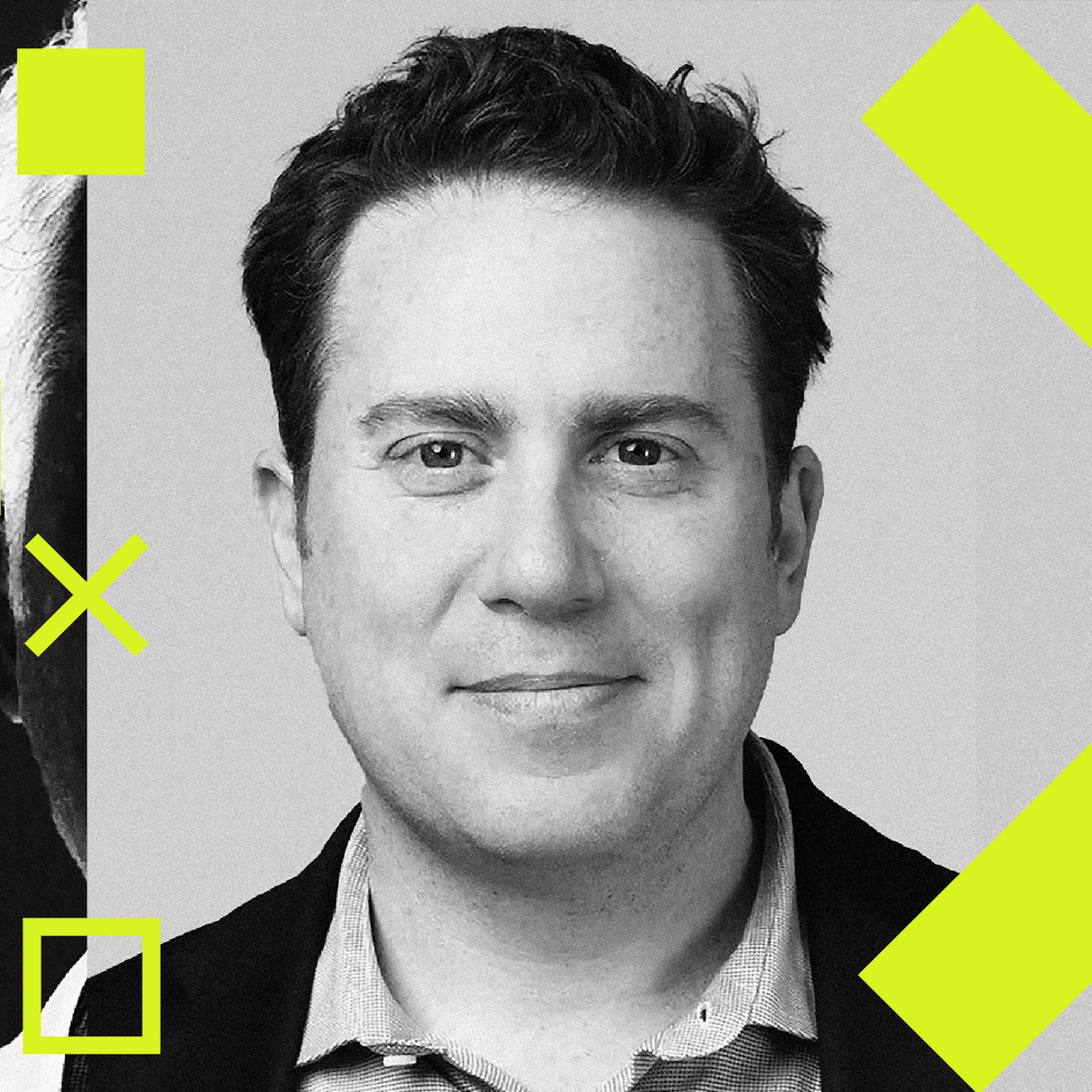
Brian Halligan, HubSpot's longtime CEO, observes that the established rules for corporate leadership are obsolete. He cites unconventional leaders like Elon Musk, Nvidia's Jensen Huang (with 60 direct reports), and Airbnb's Brian Chesky as examples of innovators who are successfully rethinking company management from scratch.

CEO Mark Benioff publicly floated rebranding Salesforce to "Salesforce Slack" to highlight its AI focus. This reveals the struggle of legacy enterprise companies to evolve their brand perception for a new era without sacrificing decades of established brand equity.
Effective leaders often speak less, using silence strategically. Apple CEO Tim Cook is famously quiet in meetings. This is not passive; it's an active technique to create a vacuum that prompts others to talk more, volunteer information, and reveal their thinking. Silence is used as a form of power and information gathering.

Instead of issuing press releases, Apple counters narratives through action. The 'iPhone Pocket' launch targets a non-tech audience, ignoring male tech critics. Similarly, a photo of a stylish Tim Cook serves as a powerful, non-verbal rebuttal to rumors about his impending departure, effectively saying 'I'm not going anywhere.'