Get your free personalized podcast brief
We scan new podcasts and send you the top 5 insights daily.
Brian Halligan, HubSpot's longtime CEO, observes that the established rules for corporate leadership are obsolete. He cites unconventional leaders like Elon Musk, Nvidia's Jensen Huang (with 60 direct reports), and Airbnb's Brian Chesky as examples of innovators who are successfully rethinking company management from scratch.

Related Insights
Elon Musk's management playbook is built on a few core principles: only engineers truly matter, the CEO must violate the chain of command to talk directly to line engineers, and the CEO's job is to parachute in weekly to fix the single biggest bottleneck by working alongside them.
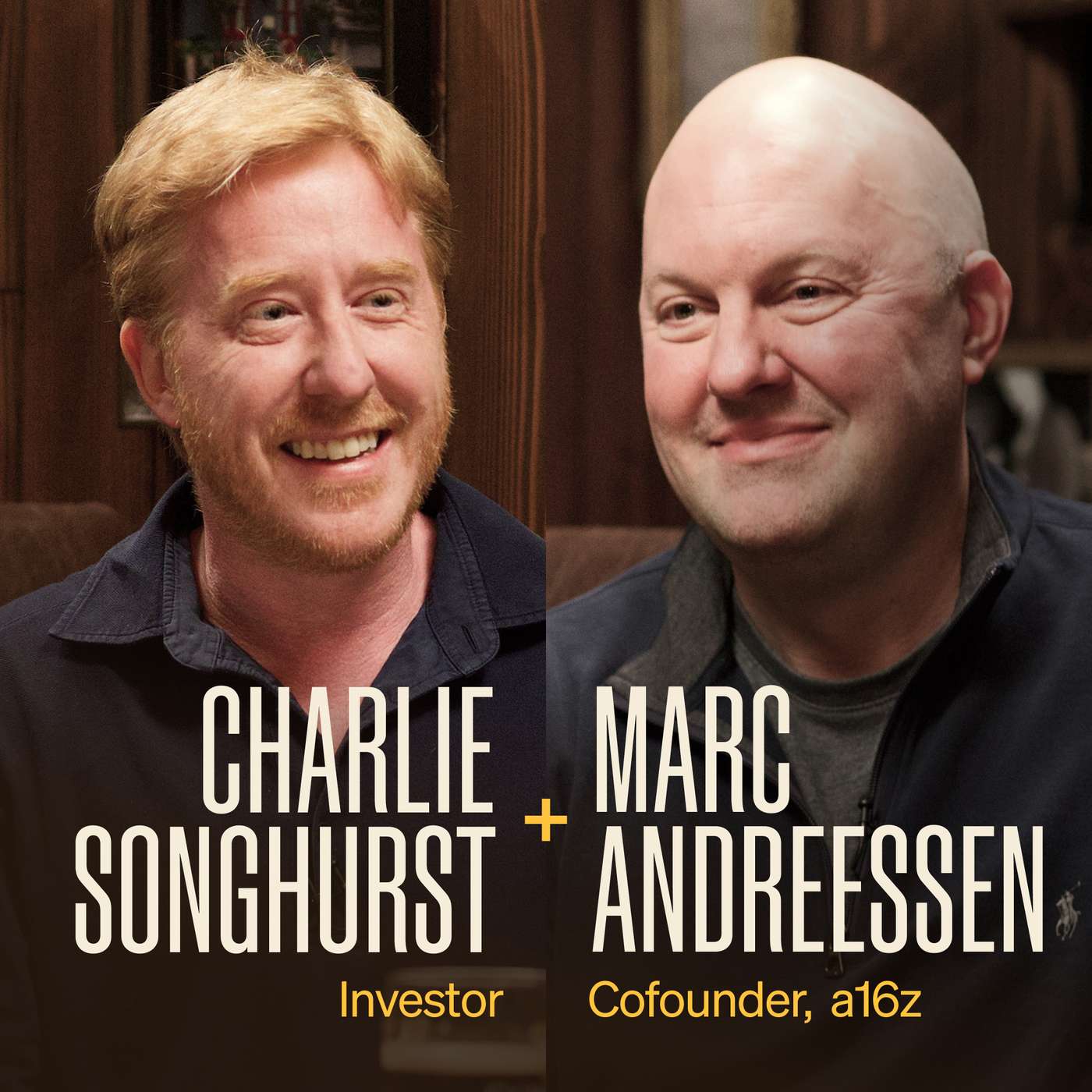
HubSpot co-founder Brian Halligan observes a new archetype of tech leader: the "five-tool CEO." Like a rare multi-talented baseball player, they possess elite skills in five key areas: vision, coding, design, recruiting, and sales. Founders like Rippling's Parker Conrad exemplify this new, formidable breed of entrepreneur.

Brian Halligan reflects that as HubSpot grew, he was coached out of his natural 'founder mode' instincts (e.g., many direct reports, public feedback) and into conventional 'manager mode' (weekly one-on-ones, private criticism). He now regrets this shift, believing his initial, more unconventional approach was more effective.

Despite the immense success of Elon Musk and Jensen Huang, their unique management styles—like Huang's 60 direct reports or Musk's "algorithm"—are not being replicated by the new generation of top CEOs. These founders are not seeking a specific hero to emulate; they are instead creating their own distinct leadership models from scratch.
Effective leadership in a fast-moving space requires abandoning the traditional org chart. The CEO must engage directly with those closest to the work—engineers writing code and salespeople talking to customers—to access unfiltered "ground truth" and make better decisions, a lesson learned from Elon Musk's hands-on approach.
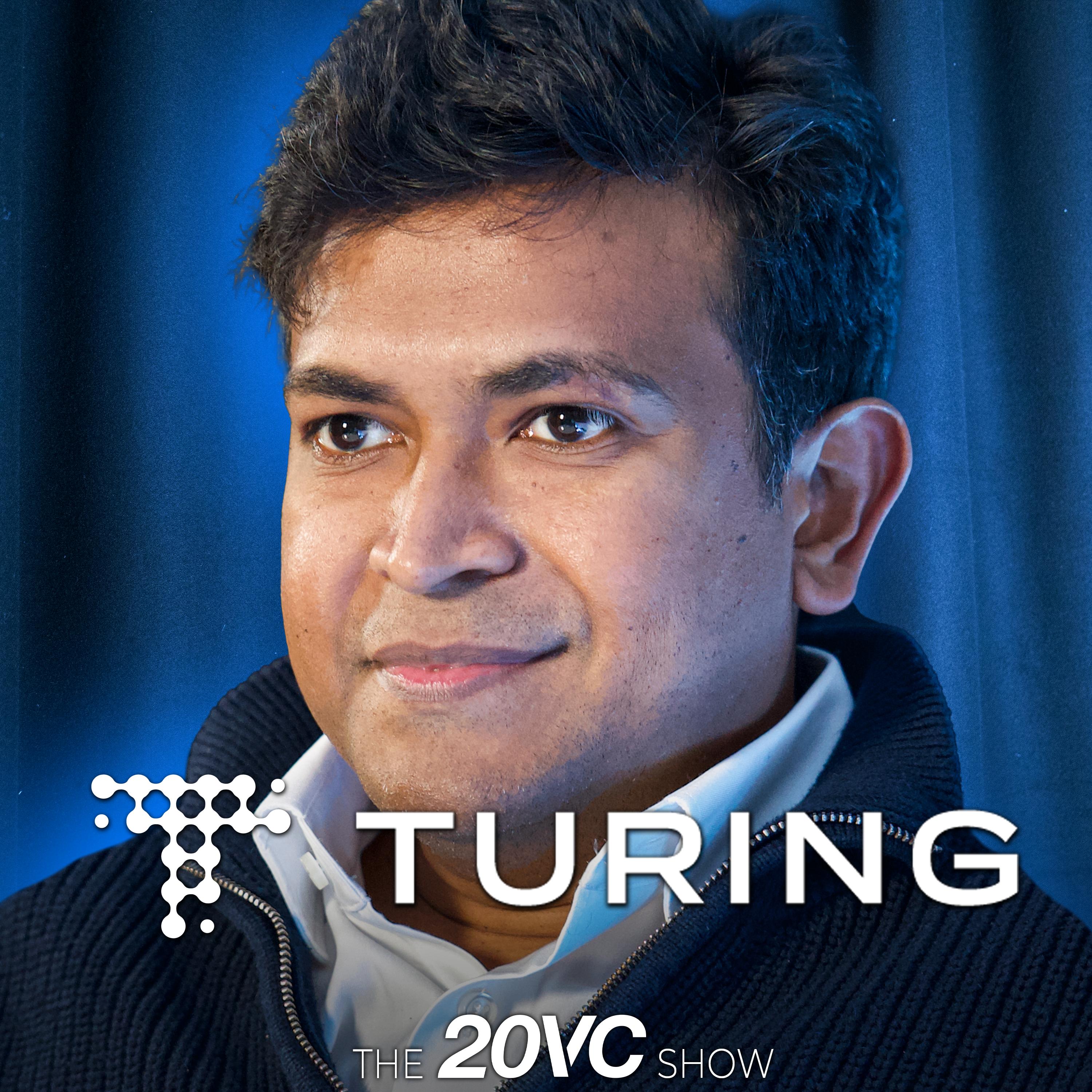
Huang eschews traditional hierarchy, engaging directly with employees at all levels and delivering feedback publicly. This "parallel processing" management style ensures rapid, simultaneous learning across the organization, mirroring the architecture of the GPUs his company builds and creating a uniquely flat structure for a company of its size.

The radical shifts in marketing shouldn't be seen as a burden. HubSpot's CEO frames this as an opportunity to reinvent the playbook after years of chasing small, incremental improvements. Fast-moving teams now have a chance to gain massive, non-linear advantages.

HubSpot co-founder Brian Halligan centers his new podcast on what he views as the most crucial phase of a company's lifecycle: the founder's evolution into a 'scale-up CEO.' His interviews explore this specific journey by featuring leaders from early-stage startups to massive enterprises like Goldman Sachs.
Brian Halligan identifies a new founder profile he calls the 'five-tool CEO.' This individual single-handedly masters coding, product taste, sales, fundraising, and recruiting. This 'superhero' archetype contrasts with the classic model of a technical founder paired with a separate business-focused co-founder.
Jensen Huang maintains an extremely flat organization with around 60 direct reports and no one-on-one meetings. This unconventional structure is designed to accelerate information travel, empower senior leaders, and weed out those who can't operate without direct guidance.
