Get your free personalized podcast brief
We scan new podcasts and send you the top 5 insights daily.
Effective leaders often speak less, using silence strategically. Apple CEO Tim Cook is famously quiet in meetings. This is not passive; it's an active technique to create a vacuum that prompts others to talk more, volunteer information, and reveal their thinking. Silence is used as a form of power and information gathering.

Related Insights
Most salespeople fear silence and rush to fill it, appearing insecure. By intentionally embracing silence, you reframe it as a tool. It signals confidence, gives the buyer critical time to process information, and, like a pause in a performance, can make them lean in and pay closer attention.

Charismatic, visionary leaders often have many ideas, but their constant input can inadvertently stifle their teams' creativity. To foster innovation, they must consciously create space for others to share their "slices of genius," for instance by intentionally remaining silent during the initial phase of meetings.
When pitching GE Capital to save his company, Ed Stack was grilled by numerous executives. However, the deal was secured by a single man who sat silently in the back, observing. In high-stakes meetings, the most vocal people are rarely the ones with final authority; identifying and convincing the quiet watcher is the true objective.
![Ed Stack: Lessons from Dick’s Sporting Goods [Outliers] thumbnail](https://megaphone.imgix.net/podcasts/2e1ece1e-9418-11f0-a293-fbf26a5641f7/image/c326da117a8c3f34b0eb64d2cab694ad.png?ixlib=rails-4.3.1&max-w=3000&max-h=3000&fit=crop&auto=format,compress)
A critical rule for the "hot seat" format is that after presenting their problem, the subject must remain silent. This prevents them from becoming defensive or steering the conversation. It forces them to simply listen and absorb diverse, unfiltered ideas from the group, which is where real breakthroughs happen.

True leadership strength isn't about being the loudest voice. It's the 'quiet edge'—the ability to maintain physiological composure and emotional mastery amidst chaos. This allows for thoughtful responses instead of knee-jerk reactions, leading to better decisions under pressure.

To avoid influencing their team's feedback, leaders should adopt the practice of being the last person to share their opinion. This creates a psychologically safe environment where ideas are judged on merit, not on alignment with the leader's preconceived notions, often making the best decision obvious.

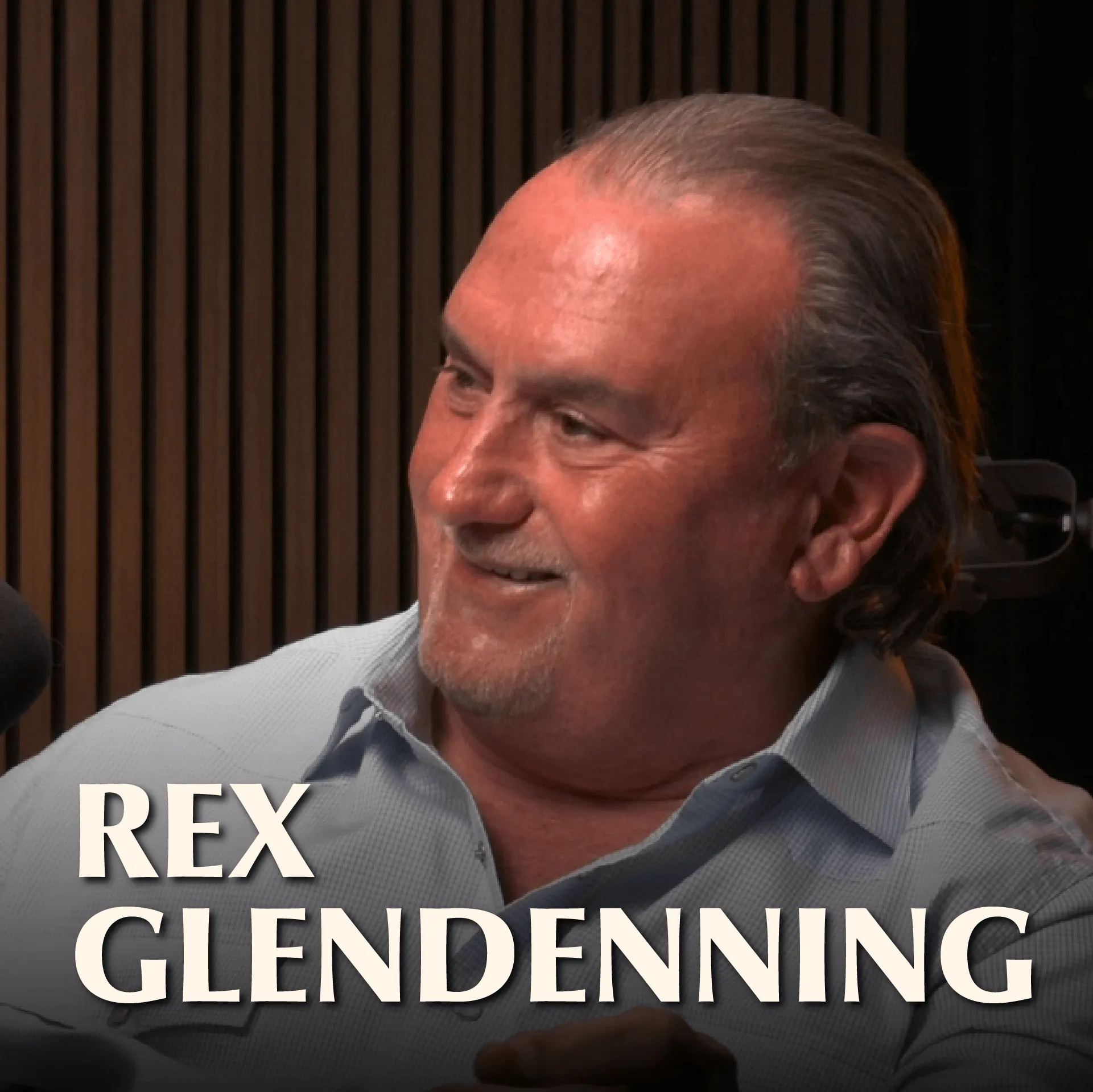
Glendenning applied a parenting lesson to business: knowing when not to talk is critical. He'd prepare everything for his kids' early track meets but wouldn't speak, respecting their 5 AM mindset. This builds trust, making later conversations more effective. The same applies to knowing an employee's or client's state of mind.
A key leadership trait of GM CEO Mary Barra is her practice of making herself "not the center of attention" in meetings. This intentional act brings out more voices and creates a more collaborative, less hierarchical environment where a wider range of ideas can be shared.
After decades as a CEO, Andrea Greta finds his greatest listening skill is discerning the unspoken. He actively probes for the tensions, problems, or issues that team members are hesitant to voice, believing that surfacing these hidden truths is key to quick and effective problem-solving.

During tense negotiations, Dan Caruso would use orchestrated silence as a tool. He would instruct his team not to speak if he went quiet, letting an uncomfortable 10 seconds pass. This often pressures the other side to break the silence, revealing anxiety or concessions they wouldn't have otherwise offered. It's a rehearsed team tactic to gain leverage.
