Get your free personalized podcast brief
We scan new podcasts and send you the top 5 insights daily.
The market impact of President Trump's posts on a given topic, such as tariffs or the Middle East, weakens over time. Even if an issue remains significant, its ability to move interest rates diminishes after the initial shock, demonstrating a market "decay effect" or desensitization to familiar news.

Related Insights
Political leaders appear to strategically time major announcements, like de-escalating tensions, to manage market volatility. This "economic statecraft" creates predictable "volatility crush" events, often timed to benefit significant market events like large IPOs by walking back threats after fear has peaked.
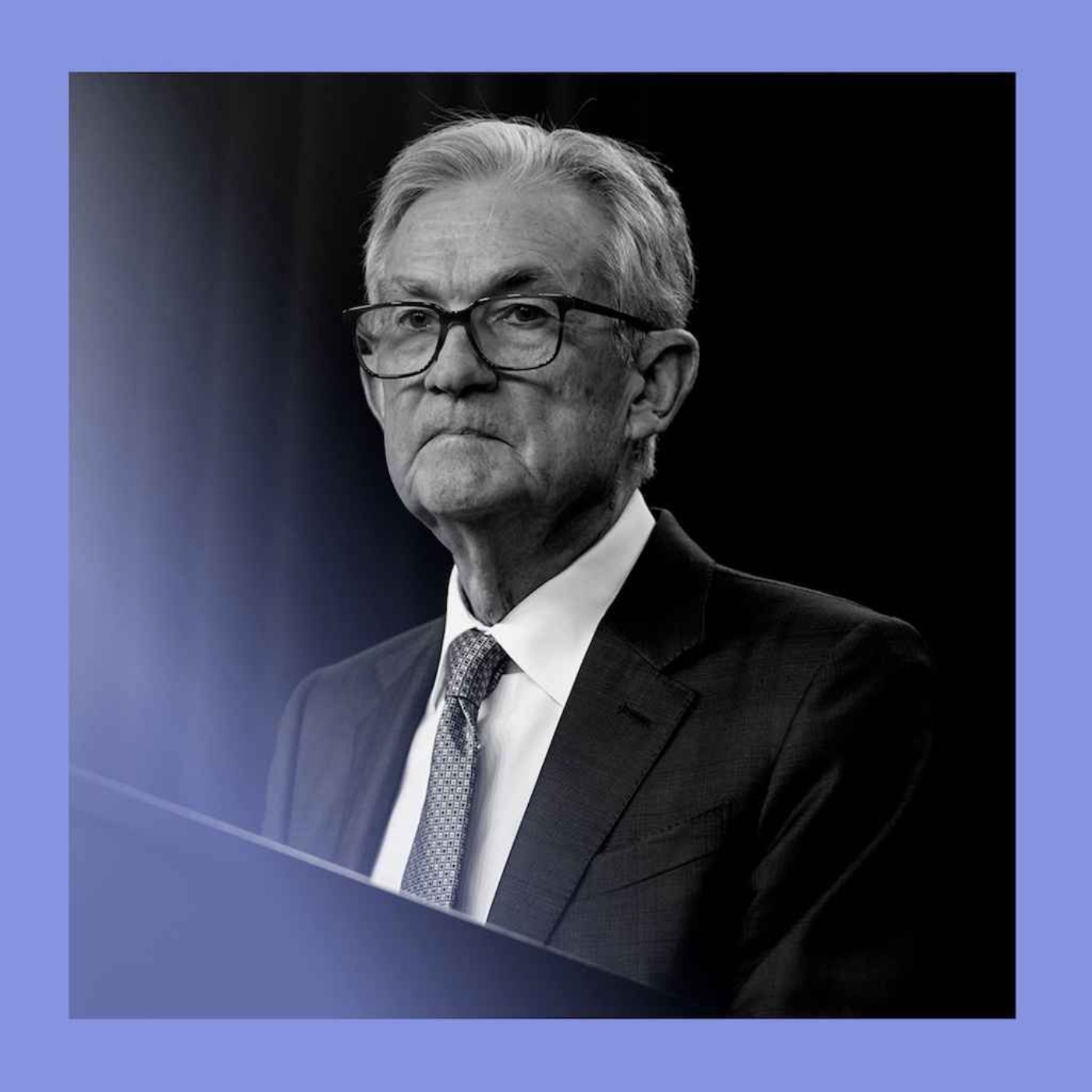
The Fed kept interest rates higher for months due to economic uncertainty caused by Donald Trump's tariff policies. This directly increased borrowing costs for consumers on credit cards, car loans, and variable-rate mortgages, creating a tangible financial impact from political actions.

When a political leader frequently issues apocalyptic threats without acting on them, the public becomes desensitized. The rhetoric is dismissed as bluster (a "Taco Tuesday"), dangerously lowering the bar for acceptable discourse and eroding the impact of genuine warnings.
Contrary to the perception of human market watchers who recall extreme events, quantitative analysis reveals the typical Trump post is not associated with an unusually large move in Treasury yields. Significant, market-moving posts are rare exceptions, not the rule, highlighting a common cognitive bias.
Analysis of President Trump's actions regarding Greenland reveals a pattern: he follows through on threats unless he receives significant pushback. The most effective pushback appears to be a negative financial market reaction, which has repeatedly caused him to de-escalate.

Markets react sharply to clear, quantifiable events like tariff announcements but are poor early-warning signals for gradual, harder-to-price risks like the erosion of democratic norms. This creates a dangerous complacency among investors and policymakers.
When a leader consistently capitulates to market pressure (e.g., reversing tariffs when stocks drop), their "stop loss" becomes public knowledge. Adversaries can then weaponize markets, pushing them to that known pain point to force the leader's hand in geopolitical conflicts.

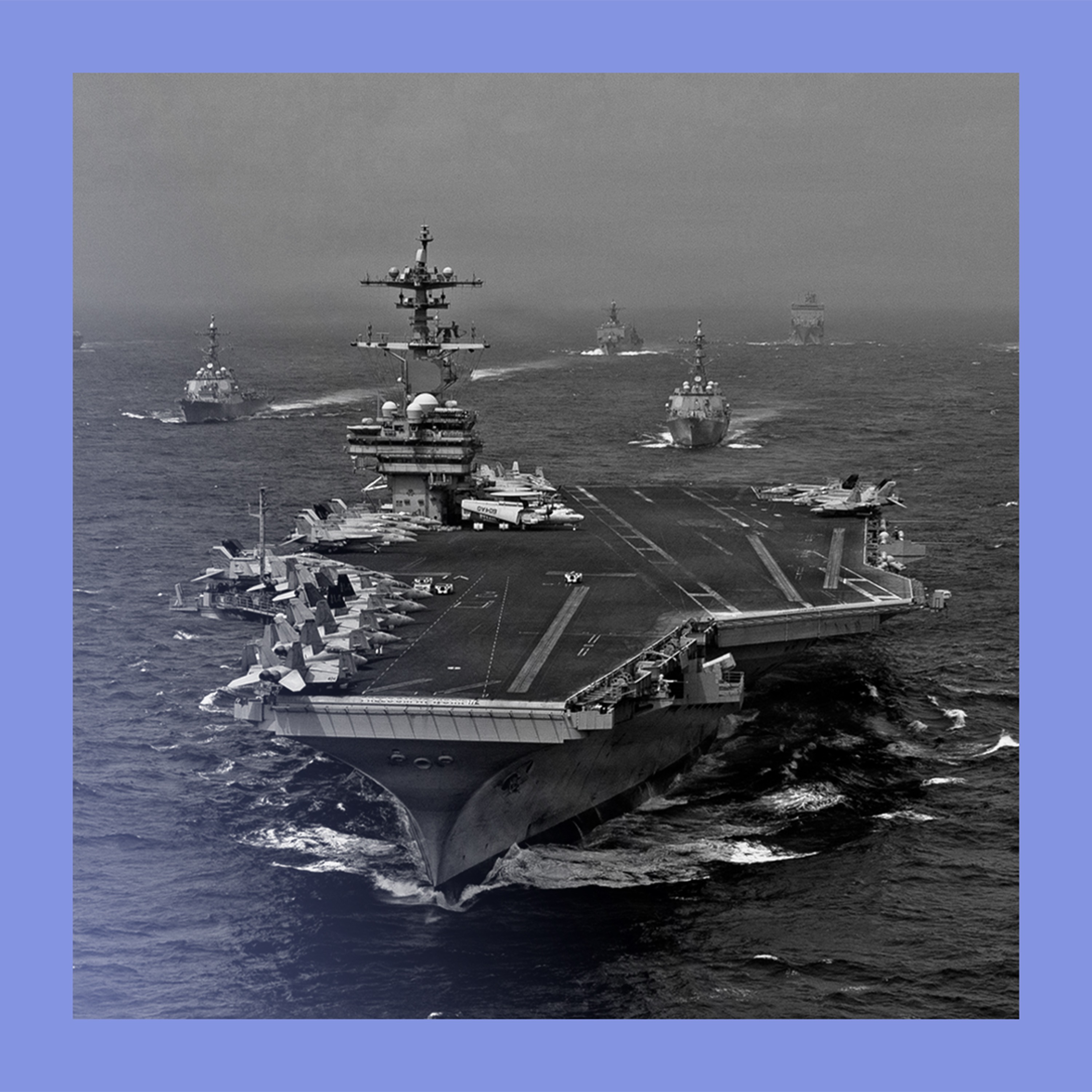
In the Strait of Hormuz conflict, shipping traffic and oil prices are dictated not by official US or Iranian announcements, but by the risk perception of ship owners and insurers. This shows how market sentiment can be a more powerful force than political rhetoric in determining economic outcomes.
Despite a direct political threat to the Federal Reserve's independence, market reaction was minimal. This is attributed to the "taco trade" (Trump Always Chickens Out), a belief that the president will walk back extreme actions, suggesting a growing desensitization to institutional risks.
The oil market's muted reaction to the Hormuz crisis isn't because the supply shock is small, but because presidential tweets have scared speculators out of the market. Once physical buffers are exhausted, this jawboning will fail, leading to an unstoppable price surge.
