Get your free personalized podcast brief
We scan new podcasts and send you the top 5 insights daily.
Sendbird's CEO uses AI to create deep, structured 'learning centers' on complex topics like neuroscience. By prompting an LLM to act as an expert researcher, he generates an entire, custom curriculum that he can explore offline for deep learning.

Related Insights
Create a powerful "second brain" by consolidating your podcasts, newsletters, and other content into a single markdown file. This plain-text document is easily consumed by AI agents, training them on your specific knowledge, tone, and frameworks. This allows the AI to generate outputs that are filtered through your unique expertise.

A profoundly underutilized feature of AI is its ability to teach. Instead of just delegating tasks, professionals should ask LLMs to train them in new skills, create practice assignments, and evaluate their performance, unlocking rapid personal development.

People focus on what AI can do *for* them, but a greater opportunity is what AI can teach them. For the first time, everyone has access to a patient, expert tutor. Professionals should spend their spare time asking an AI to train them in new domains, from coding to product management.

The CEO uses AI tools like Claude and XAI during every meeting to ask science questions, enabling continuous, mastery-based learning on complex topics outside his formal training. This serves as a personal autodidact tool.
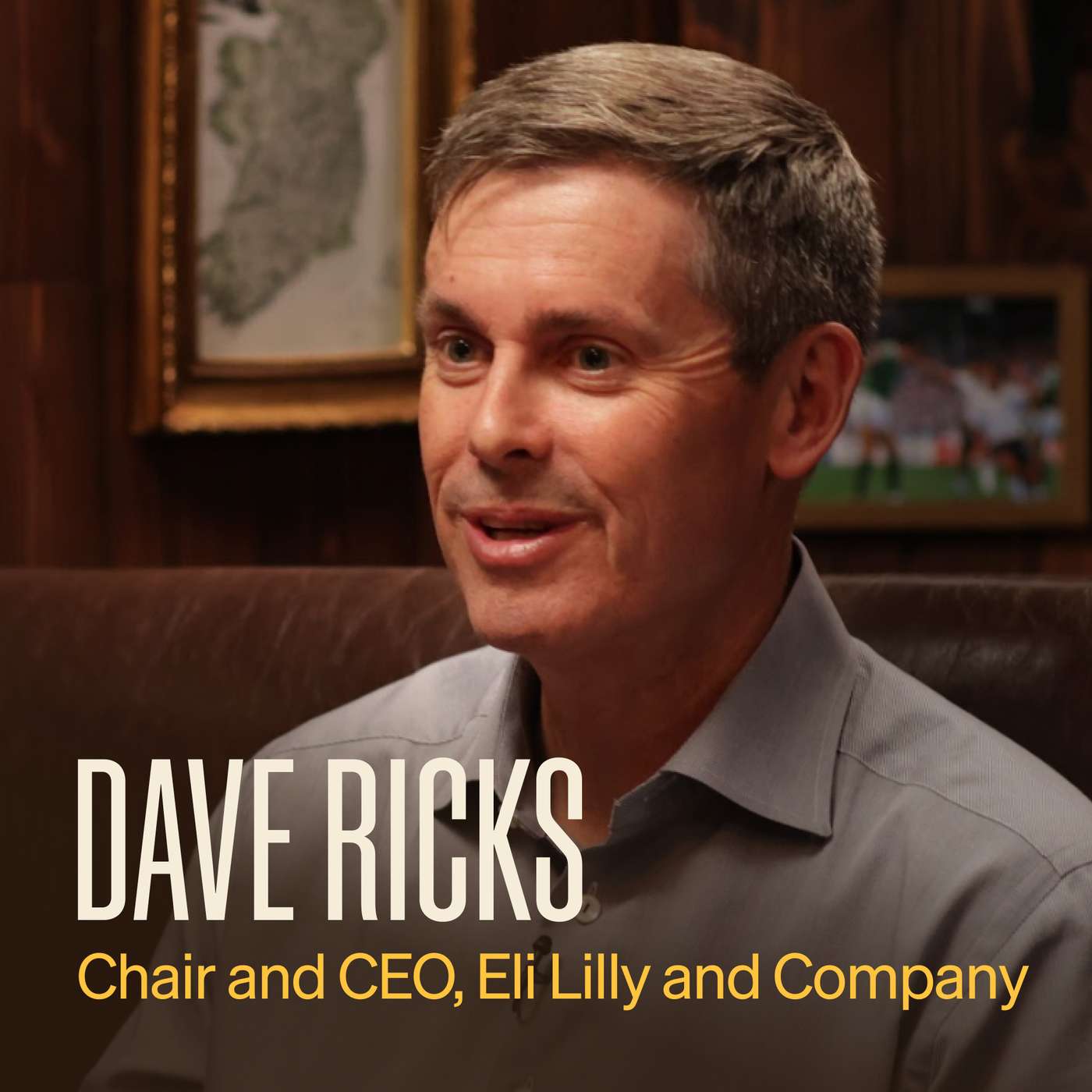
By leveraging AI for deep research, outlining, and even slide creation, small teams can now create vast amounts of specialized educational content at a velocity that was previously impossible, enabling scalable, hyper-niche course offerings.
To master a new skill like creating a sales offer, first command an LLM to outline the framework of a known expert (e.g., Alex Hormozi). Then, have it generate interview questions based on that framework. Answering these allows the LLM to apply the expert's model directly to your specific situation.

Identify an expert who hasn't written a book on a specific topic. Train an AI on their entire public corpus of interviews, podcasts, and articles. Then, prompt it to structure and synthesize that knowledge into the book they might have written, complete with their unique frameworks and quotes.

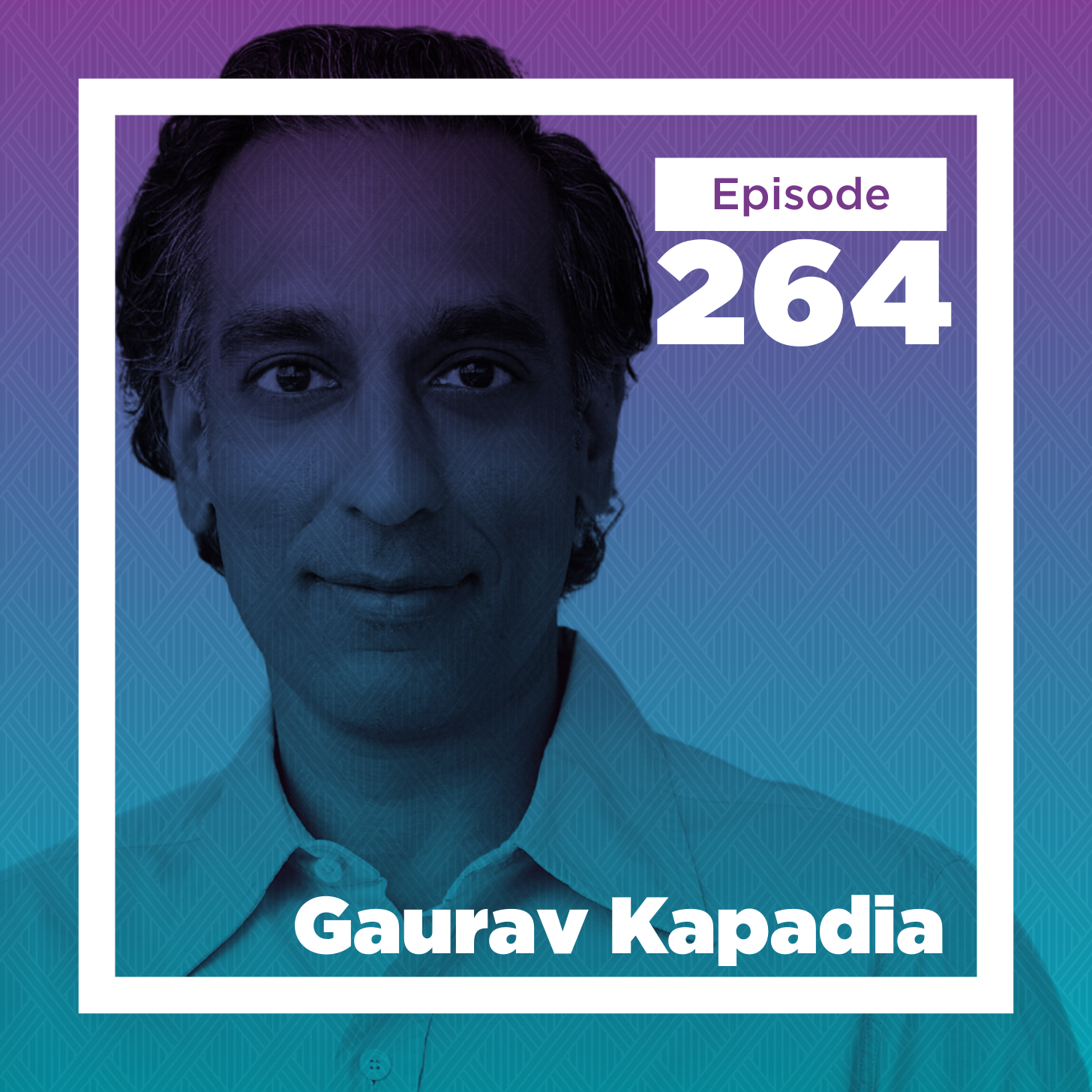
Investor Gaurav Kapadia uses AI as a knowledge augmenter to go deep on new subjects. Where he once hired university master's students to create custom curricula on topics like art history or Shakespeare, he now uses AI as his 'first port of call' for in-depth, personalized learning.
Former OpenAI researcher Andrej Karpathy suggests using LLMs not just for chat, but to actively build and maintain personal knowledge wikis. By feeding raw documents to an LLM, it can compile a structured, interlinked knowledge base, effectively acting as a 'programmer' for your information.

Treat AI skills not just as prompts, but as instruction manuals embodying deep domain expertise. An expert can 'download their brain' into a skill, providing the final 10-20% of nuance that generic AI outputs lack, leading to superior results.