Get your free personalized podcast brief
We scan new podcasts and send you the top 5 insights daily.
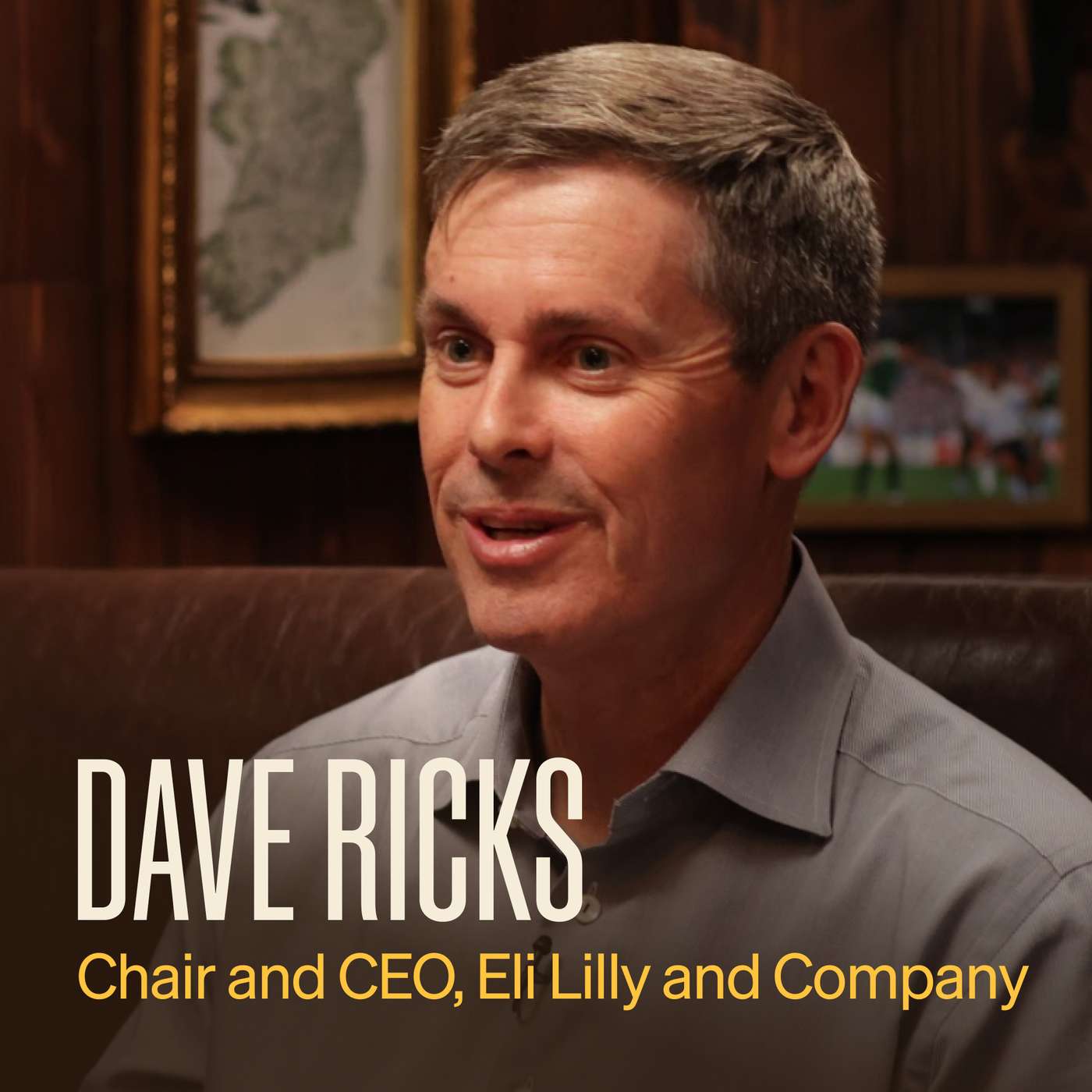
The CEO uses AI tools like Claude and XAI during every meeting to ask science questions, enabling continuous, mastery-based learning on complex topics outside his formal training. This serves as a personal autodidact tool.
Related Insights
Leaders are often trapped "inside the box" of their own assumptions when making critical decisions. By providing AI with context and assigning it an expert role (e.g., "world-class chief product officer"), you can prompt it to ask probing questions that reveal your biases and lead to more objective, defensible outcomes.

To prepare for a future of human-AI collaboration, technology adoption is not enough. Leaders must actively build AI fluency within their teams by personally engaging with the tools. This hands-on approach models curiosity and confidence, creating a culture where it's safe to experiment, learn, and even fail with new technology.
For experienced leaders new to AI, building a custom GPT is an ideal starting point. A simple but high-value project is to feed a conference schedule into a GPT, allowing users to ask "Which sessions should I attend if I'm a senior PM?" This teaches core AI concepts without requiring coding.

Generic use cases fail to persuade leadership. To get genuine AI investment, build a custom tool that solves a specific, tangible pain point for an executive. An example is an 'AI board member' trained on past feedback to critique board decks before a meeting, making the value undeniable.

AI is a 'hands-on revolution,' not a technological shift like the cloud that can be delegated to an IT department. To lead effectively, executives (including non-technical ones) must personally use AI tools. This direct experience is essential for understanding AI's potential and guiding teams through transformation.

For those without a technical background, the path to AI proficiency isn't coding but conversation. By treating models like a mentor, advisor, or strategic partner and experimenting with personal use cases, users can quickly develop an intuitive understanding of prompting and AI capabilities.
Simply instructing engineers to "build AI" is ineffective. Leaders must develop hands-on proficiency with no-code tools to understand AI's capabilities and limitations. This direct experience provides the necessary context to guide technical teams, make bolder decisions, and avoid being misled.
The "ICCPO" (Individual Contributor Chief Product Officer) model requires leaders to use AI tools to self-serve answers directly from company data. This shifts the executive role from pure delegation to hands-on experimentation, modeling a culture of self-sufficiency and inspiring the team to adopt new tools.
A leader's most valuable use of AI isn't for automation, but as a constant 'thought partner.' By articulating complex business, legal, or financial decisions to an AI and asking it to pose clarifying questions, leaders can refine their own thinking and arrive at more informed conclusions, much like talking a problem out loud.

The true power of AI in a professional context comes from building a long-term history within one platform. By consistently using and correcting a single tool like ChatGPT or Claude, you train it on your specific needs and business, creating a compounding effect where its outputs become progressively more personalized and useful.
