Get your free personalized podcast brief
We scan new podcasts and send you the top 5 insights daily.
The Century Safe, a symbol of historical preservation, was actually conceived by magazine publisher Anna Diem as a business move. The stunt was designed to get attention for her publication, sell subscriptions, and even charge people to have their autographs included, reframing the artifact as an early example of experiential marketing.

Related Insights
A brand's history is a valuable asset. The most powerful ideas for future growth are often rooted in the brand's 'archaeology.' Reviving timeless concepts, like the Pepsi Taste Challenge, and making them culturally relevant today is often more effective than chasing novelty.

Carvana's founder revealed that the company's distinctive car vending machines were more than just a marketing stunt. This unique, physical brand experience was a critical element that helped the online car retailer survive, highlighting the power of memorable marketing in a competitive market.

The success of the 'Museum of Ice Cream,' with seven global locations, demonstrates a powerful business model. These are not museums but experiential venues designed for social media photo opportunities. Their commercial success shows that businesses built around curating 'Instagrammable moments' can be highly scalable and profitable.

Rubenstein’s philanthropy, like buying the Magna Carta, is based on a neuro-educational thesis: the human brain has a more profound and memorable learning experience seeing an original object in person versus viewing a digital image. This strategy leverages our current cognitive wiring for physical presence to better educate future generations about history.

A jar of Nutella floating in the Artemis II capsule generated massive, organic media attention. This highlights how space, a marketing-restricted zone, has become the ultimate real estate for brands, offering prestige that traditional advertising cannot purchase.

In an AI-saturated world, real-life content is rare and valuable. The primary ROI of experiential marketing isn't just the event itself, but filming it to create a pipeline of authentic social media content that stands out.

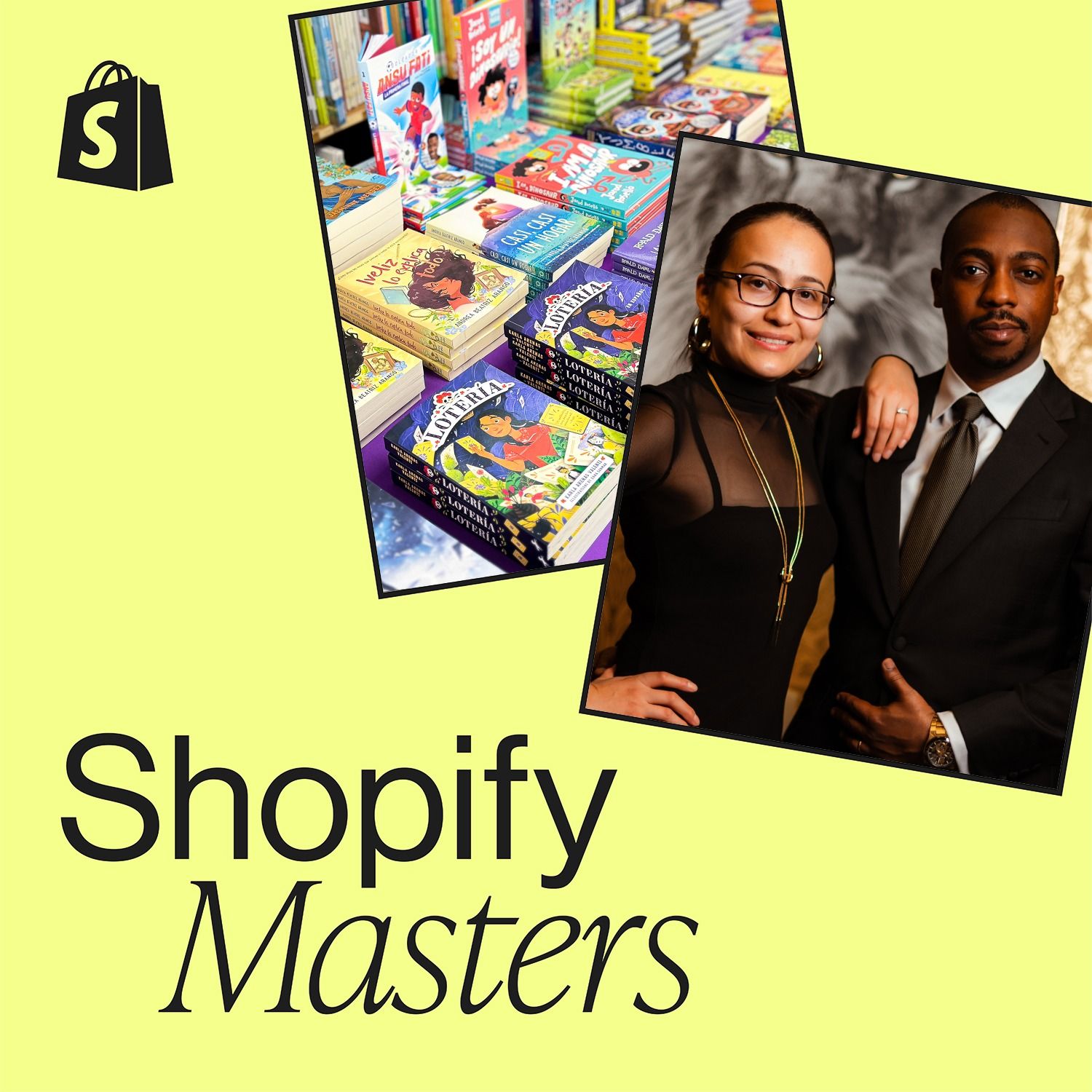
The founders of Miha Books consider their year-long retail lease a financial failure. However, the store generated significant press coverage and social proof ('as seen on'), which they now view as a valuable, albeit expensive, marketing asset that legitimized their brand and led to future opportunities.
Obsessing over "the future" is not a timeless human trait. It emerged in the 19th century when rapid technological change allowed people to imagine a future fundamentally different from their present for the first time. The Century Safe is a product of this new, future-oriented mindset, which was novel at the time.
Though the Century Safe's contents were initially mocked as duds, a closer look reveals their significance. A temperance pamphlet represents a massive social movement; a photo of Congress captures a fleeting moment of Black representation. This shows that mundane artifacts, when properly contextualized, are powerful windows into a past era's anxieties and aspirations.
The Century Safe's contents seemed trivial because its creators were more captivated by the new ability to "embalm a moment" than by what that moment should contain. The act of sealing something for 100 years was the spectacle, making the specific objects almost an afterthought, a lesson in how new technology can overshadow its purpose.