Get your free personalized podcast brief
We scan new podcasts and send you the top 5 insights daily.
A jar of Nutella floating in the Artemis II capsule generated massive, organic media attention. This highlights how space, a marketing-restricted zone, has become the ultimate real estate for brands, offering prestige that traditional advertising cannot purchase.

Related Insights
Vaynerchuk's thesis is that injecting high-value collectibles, like rare stickers that can sell for $1,000, into CPG products creates a powerful new marketing dynamic. He compares it to an evolution of the Cracker Jack toy, predicting that collectibility will become a significant purchase driver, creating a unique value proposition beyond the product itself.

Luxury skincare brand La Mer justifies its $400 cream by claiming a DJ plays music to its key kelp ingredient to 'activate' it. This scientifically dubious narrative creates mystique and viral buzz. It demonstrates that for premium brands, a compelling, unique, and even absurd story can be a more valuable marketing asset than proven product efficacy.

Starbucks' limited-edition items, like a "bearista" cup selling for $500 on eBay, create massive hype through engineered scarcity. This strategy shows that for certain brands, limited-run physical goods can be a more potent marketing tool than the core product itself, fostering a collector's frenzy and a lucrative secondary market.

Placing products in hotel rooms serves as a 'non-cheesy free sample.' It's a high-context discovery channel where consumers experience the brand as a curated part of a premium travel experience. This creates a strong positive association and drives adoption more effectively than traditional sampling.

Leading marketers confidently invest in high-cost, low-measurability channels like billboards and physical books. They understand that reaching a concentrated target audience builds brand in a way that can't be captured by direct attribution but drives long-term pipeline.

The massive cost of a Super Bowl ad is only justified if it generates significant pre-game buzz and goes viral on platforms like YouTube. The ad spot itself is merely "permission to be evaluated." The real return comes from the earned media and social chatter leading up to the event.

Chanel's subway fashion show demonstrates how placing a luxury product in an unexpected, everyday environment creates powerful tension. This strategy makes the background the main attraction, generating broad, mainstream media coverage and social media buzz that a traditional runway show couldn't achieve.
Even B2B firms can capitalize on fastvertising when they unexpectedly enter the public conversation. The company Astronomer, after its executives were part of a viral 'Kiss Cam' moment, created a clever ad with Gwyneth Paltrow to explain what their business actually does.
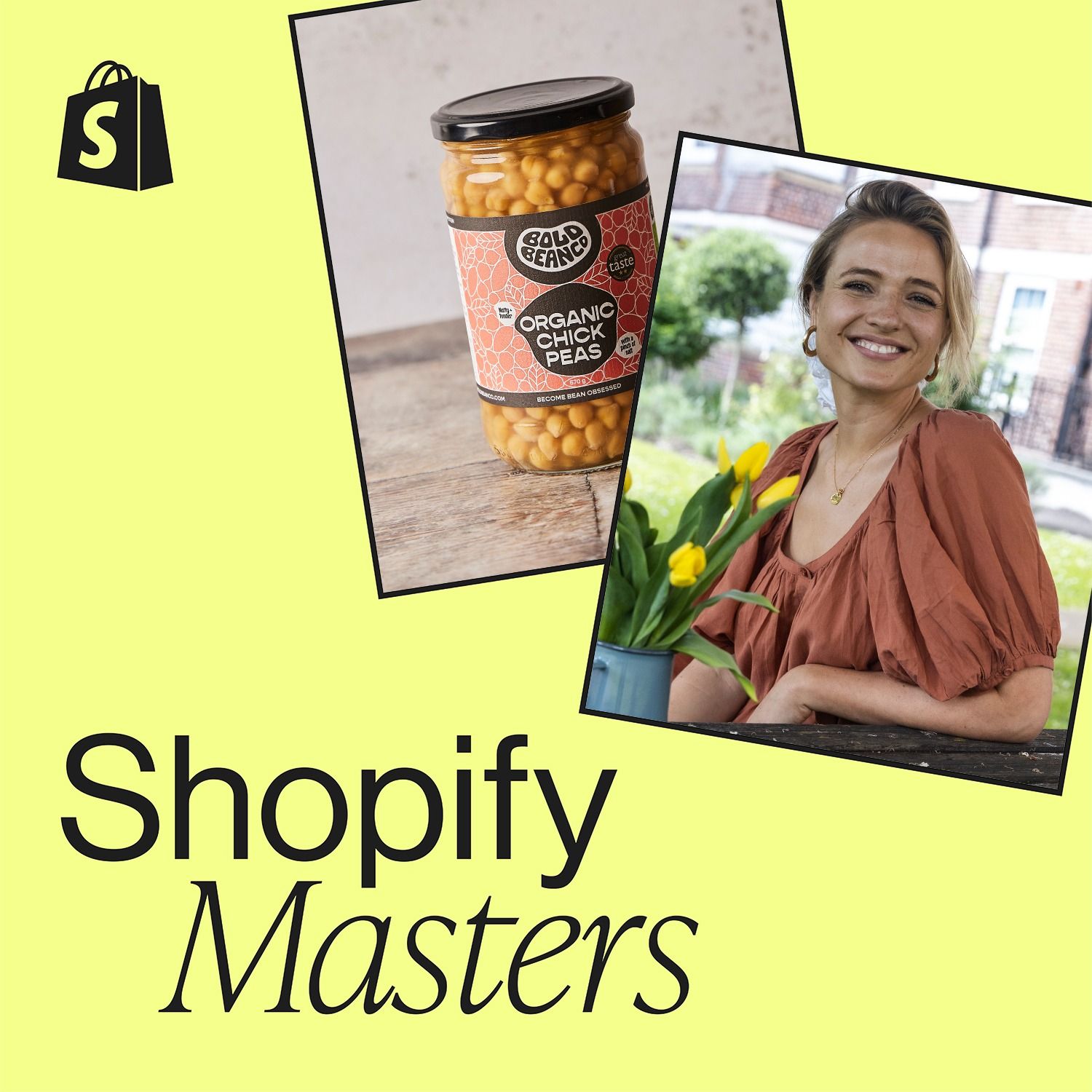
Bold Bean Co. found that creating a premium product in a "forgotten, dull" category like beans was a strategic advantage. The novelty makes consumers talk. People find it entertaining to become obsessed with beans, generating more word-of-mouth than launching yet another premium chocolate brand.
Placing products in non-traditional venues like hotels or airports serves as a powerful discovery and sampling mechanism. This builds brand familiarity and trial, creating a flywheel effect where customers later recognize and purchase the product in traditional retail stores, boosting sales.
