Get your free personalized podcast brief
We scan new podcasts and send you the top 5 insights daily.
The company abandoned its "stealth" culture for pragmatic reasons. As they grew, their outbound recruiting efforts remained disproportionately high compared to inbound interest, a key benchmark indicating that their lack of public presence was becoming a talent acquisition bottleneck.

Related Insights
Opendoor intentionally designs its careers page to scare away the vast majority of applicants. This counterintuitive strategy creates a high-signal recruiting funnel by setting aggressive expectations upfront, ensuring only candidates truly aligned with the intense mission and culture will apply.
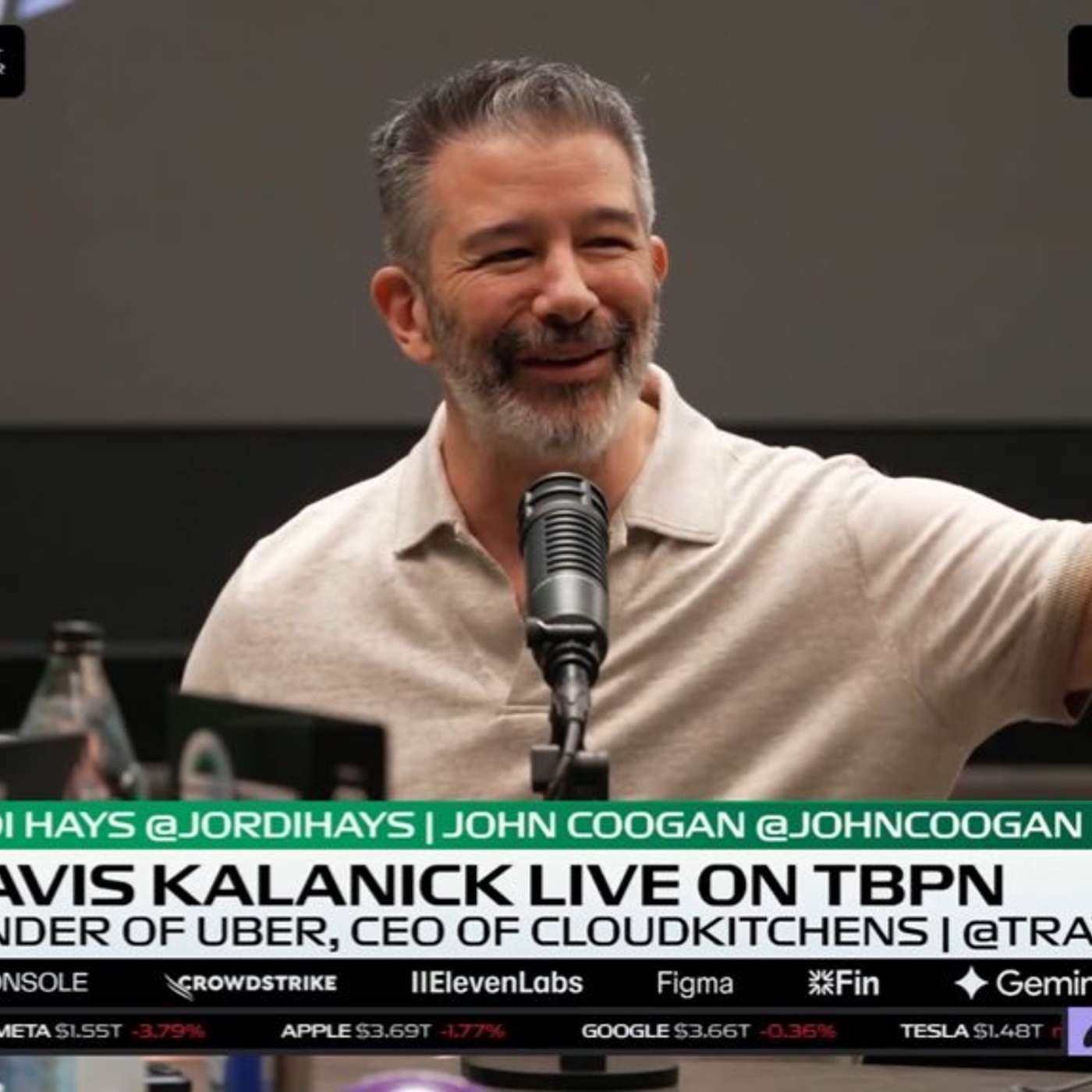
Travis Kalanick's new company operated in deep stealth for eight years, forcing 100% outbound recruiting and sales. This forged operational excellence in those teams and cultivated a culture of builders who derive satisfaction from the work itself, not public recognition.
The same marketing funnels used to acquire paying customers can be directly applied to attract and 'close' new employees. This reframes recruiting from a siloed HR function to a core marketing activity, allowing you to leverage skills you already have to build your team.

To filter out opportunistic job seekers, Anduril launched a recruiting campaign highlighting the job's harsh realities—field work, long hours, and unpredictability. This counterintuitive strategy repelled the wrong candidates while attracting mission-driven 'true believers,' tripling qualified applications.

When contractors complain they can't find good people, it's often a culture problem, not a talent shortage. A great workplace turns existing employees into recruiters who attract other high-quality talent from their networks, creating a self-sustaining recruitment pipeline.

The proliferation of AI-generated, low-quality job applications is creating immense noise in traditional inbound recruiting channels. This forces companies to shift their strategy towards proactive, outbound sourcing of passive candidates, as finding top talent through applications becomes increasingly difficult and inefficient.

Generative AI has caused a 200% surge in applications per role, overwhelming traditional inbound hiring funnels with low-quality submissions. This is forcing a fundamental shift in recruitment, where companies must proactively source candidates or use automated agents, rather than passively waiting for applicants to come to them.

Anduril's counterintuitive "Don't Work Here" campaign was a deliberately crafted filter to repel "mercenaries" only chasing equity. By being brutally honest about its demanding, mission-driven culture, the company successfully attracted aligned candidates and paradoxically increased its qualified application volume by 30%.

Service businesses are often constrained by delivery capacity, not sales. To scale effectively, you must treat recruiting like marketing. Create a parallel, systematic funnel for talent: applications (leads), interviews (nurture), onboarding (sales), and retention/ascension.

Instead of hiring based on network or general talent, Applied Intuition's founders strategically assessed the biggest technical and knowledge risks facing the company. They then hired their first employees specifically to mitigate those existential threats.
