Get your free personalized podcast brief
We scan new podcasts and send you the top 5 insights daily.
Instead of hiring based on network or general talent, Applied Intuition's founders strategically assessed the biggest technical and knowledge risks facing the company. They then hired their first employees specifically to mitigate those existential threats.

Related Insights
Before hiring for a critical function, founders should do the job themselves, even if they aren't experts. The goal isn't mastery, but to deeply understand the role's challenges. This experience is crucial for setting a high hiring bar and being able to accurately assess if a candidate will truly up-level the team.

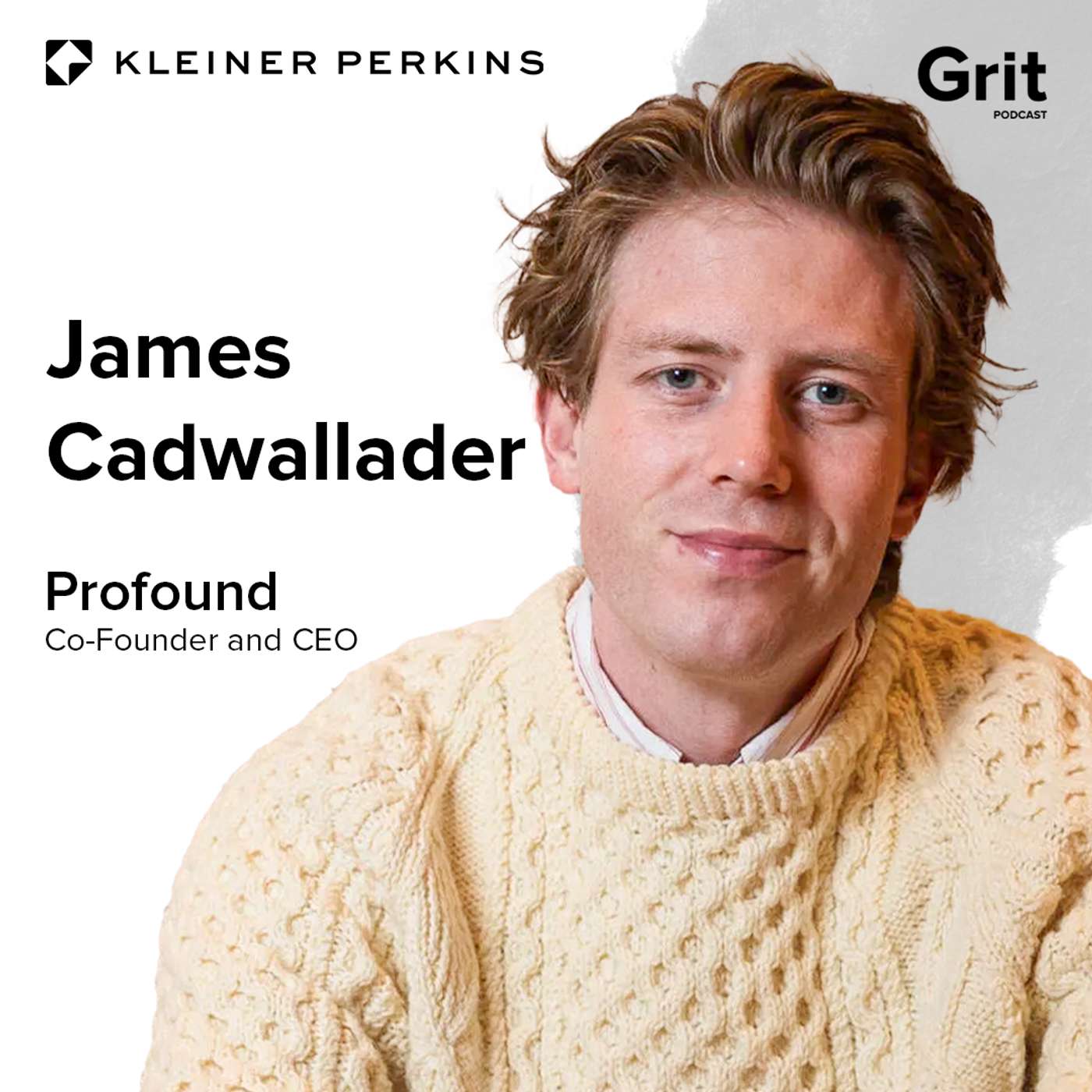
A scaling founder can avoid "breaking the model" during hypergrowth by hiring senior leaders with proven track records in similar environments. For example, Profound hired a CRO who previously scaled a company with the same target customer to $250M, bringing invaluable experience to manage chaos.
To make a hire "weird if they didn't work," don't hire for potential or vibe. Instead, find candidates who have already succeeded in a nearly identical role—selling a similar product to a similar audience at a similar company stage. This drastically reduces performance variables.

Early-stage founders often mistakenly hire senior talent from large corporations. These executives are accustomed to resources that don't exist in a startup. Instead, hire people who have successfully navigated the stage you are about to enter—those who are just "a few clicks ahead."

The ideal early startup employee has an extreme bias for action and high agency. They identify problems and execute solutions without needing approvals, and they aren't afraid to fail. This contrasts sharply with candidates from structured environments like consulting, who are often more calculated and risk-averse.

When building core AI technology, prioritize hiring 'AI-native' recent graduates over seasoned veterans. These individuals often possess a fearless execution mindset and a foundational understanding of new paradigms that is critical for building from the ground up, countering the traditional wisdom of hiring for experience.

Despite having raised $1M, the Juicebox founders remained a two-person team. The reason wasn't just to stay lean; it was a belief that their early, "risky, unproven" company couldn't yet attract the A-player talent they aspired to hire. This self-awareness protected them from making suboptimal early hires.

Actively recruiting entrepreneurs whose own ventures recently failed brings in smart, driven individuals with high ownership and a hunger to prove themselves. This is invaluable in the early, capital-constrained days when you need a team with a founder's DNA.
Don't default to hiring people who have "done the job before," even at another startup. Unconventional hires from different backgrounds (e.g., archaeologists in customer success) can create unique creativity. The priority should be finding the right fit for your company's specific stage and needs, not just checking an experience box.

In a paradigm shift like AI, an experienced hire's knowledge can become obsolete. It's often better to hire a hungry junior employee. Their lack of preconceived notions, combined with a high learning velocity powered by AI tools, allows them to surpass seasoned professionals who must unlearn outdated workflows.
