Get your free personalized podcast brief
We scan new podcasts and send you the top 5 insights daily.
The UK's decline from a top global economy to a "standout weak performer" is attributed to two catastrophic policy decisions. First, implementing austerity during a decade of zero interest rates, when it should have invested for free. Second, the poorly executed economic policy of Brexit, which further hampered growth.

Related Insights
The UK's influence has plummeted because it no longer brings strength to its alliances. Successive governments have overseen a decline in military power and economic strength, fostering a climate that drives entrepreneurs away. This has made the nation an afterthought in major geopolitical decisions.

High immigration allows politicians to report positive overall GDP growth, creating an illusion of prosperity. However, this masks the reality that per-capita GDP has been stagnant or declining, meaning the average citizen is getting poorer. It is framed as a political tool to obscure a failing economy.
A country's fiscal health is becoming a primary driver of its currency's value, at times overriding central bank actions. Currencies like the British Pound face a "fiscal risk premium" due to borrowing concerns, while the Swedish Krona benefits from a positive budget outlook. This creates a clear divergence between fiscal "haves" and "have-nots."

Sterling's reaction to potential UK budget options is "any news is bad news." Even less-damaging proposals cause weakness because the market understands any policy will result in fiscal tightening, forcing the Bank of England to react dovishly.
A toxic combination of a high tax burden and a cultural climate that treats successful entrepreneurs as "evil" is driving them to leave the country. This creates a self-fulfilling prophecy of pessimism, as the very people needed for growth and innovation are incentivized to relocate.
Despite a dovish Bank of England and political noise, the bullish case for Sterling holds. Stronger economic data, like blockbuster PMI prints, counters the "doom loop" where fiscal tightening worsens growth. When activity improves, it becomes much harder for markets to price in a significant fiscal risk premium, underpinning the currency.
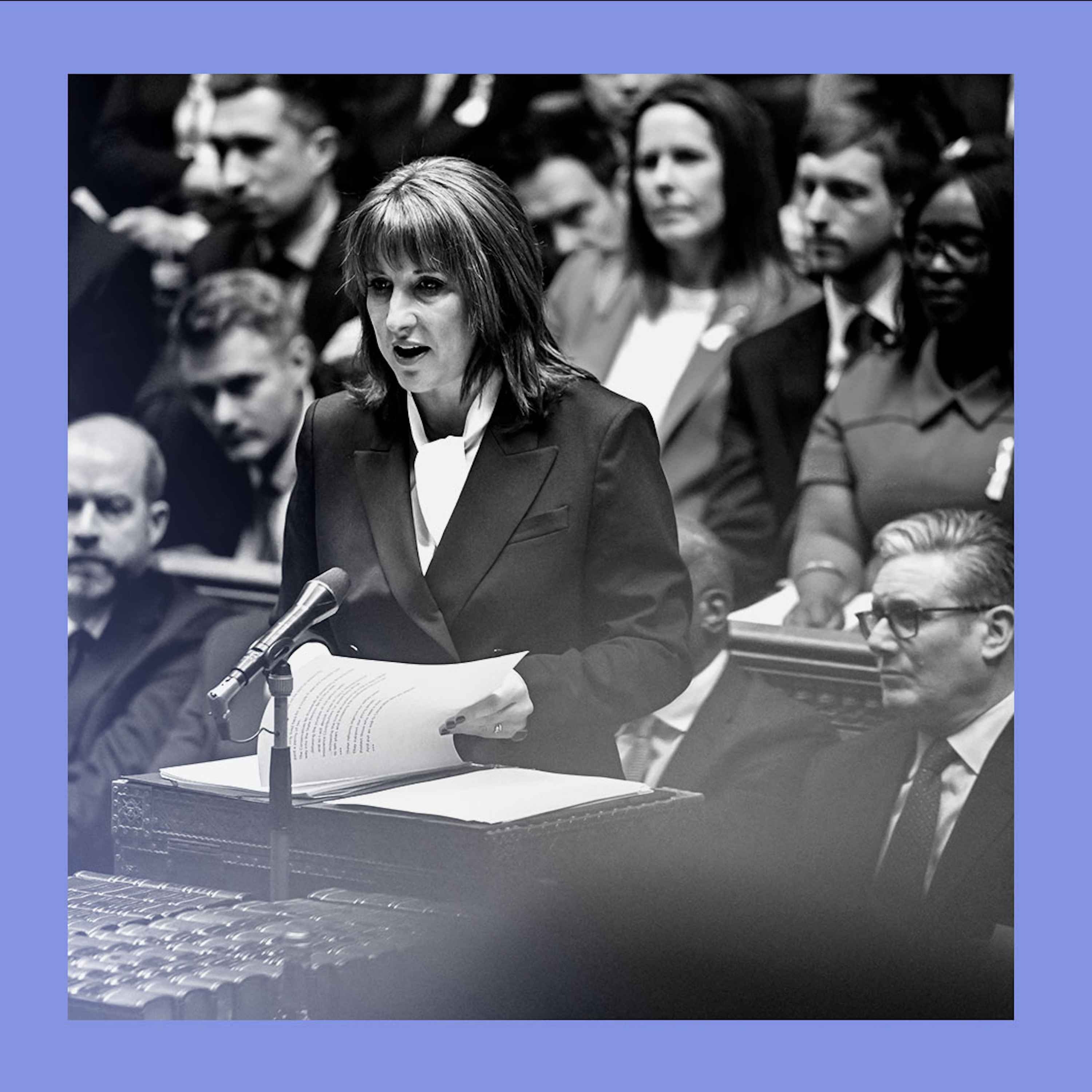
The UK bond market's muted reaction to the recent budget is not a sign of success. Unlike a previous disastrous budget, this one contained no surprises. Success should be measured by long-term growth potential, not just the avoidance of immediate market panic, setting a very low bar for achievement.
The British Pound is not strengthening as expected despite hawkish rate hikes from the Bank of England. The market is pricing in the negative growth impact (stagflation) of tightening policy during an energy-driven supply shock, which is offsetting the typical appeal of higher interest rates.
The 2022 UK "mini-budget" crisis serves as a stark example of market power. When the government proposed unfunded tax cuts, the bond market reacted instantly and violently, forcing a rapid policy U-turn. This proves that bond markets serve as a powerful disciplinary force against governments pursuing unsustainable fiscal policies.

Despite claiming growth is its top mission, the UK government is pursuing anti-growth measures. These include making permanent residency harder to obtain, which limits skilled migration, and passing employment bills that increase the difficulty and cost of hiring, directly undermining business expansion.