Get your free personalized podcast brief
We scan new podcasts and send you the top 5 insights daily.
Unlike historical precedents, the current geopolitical conflict has triggered a significant sell-off in US long bonds. This suggests a regime change where high sovereign debt and inflation fears mean bonds no longer serve their traditional flight-to-safety role.

Related Insights
The Federal Reserve encouraged banks to buy long-term treasuries while signaling low rates, only to then hike rates at a historic pace. This action decimated the value of those bonds, making the world's 'safest asset' the riskiest and directly triggering bank collapses like Silicon Valley Bank.

Investors have been holding unhedged US dollar assets to capture both high yields and currency appreciation, a speculative strategy traditionally used for emerging market local currency bonds. This parallel indicates a shift in risk perception, where US assets are no longer seen as a pure safe haven.

Deteriorating debt fundamentals are a known long-term risk, but markets often remain complacent until a specific political event, like an election or leadership change, acts as a trigger. These upheavals force an immediate re-evaluation of what is sustainable, transforming abstract fiscal worries into concrete, costly market volatility.

The surge in gold's value isn't just about uncertainty; it's a direct signal that foreign central banks and major investors are losing confidence in U.S. treasuries as a safe asset. This shift threatens the global dominance of the U.S. dollar.

If the conflict leads to persistently high oil prices and sticky inflation, bonds may fail to act as a safe-haven asset. Both stock and bond prices could fall in tandem, undermining traditional balanced portfolio strategies.

The perception of government bonds as 'safe' is challenged by history. In the 35 years following WWII (1945-1980), a period of inflation and financial repression, investors in most global government bond markets saw the real value of their capital decimated.
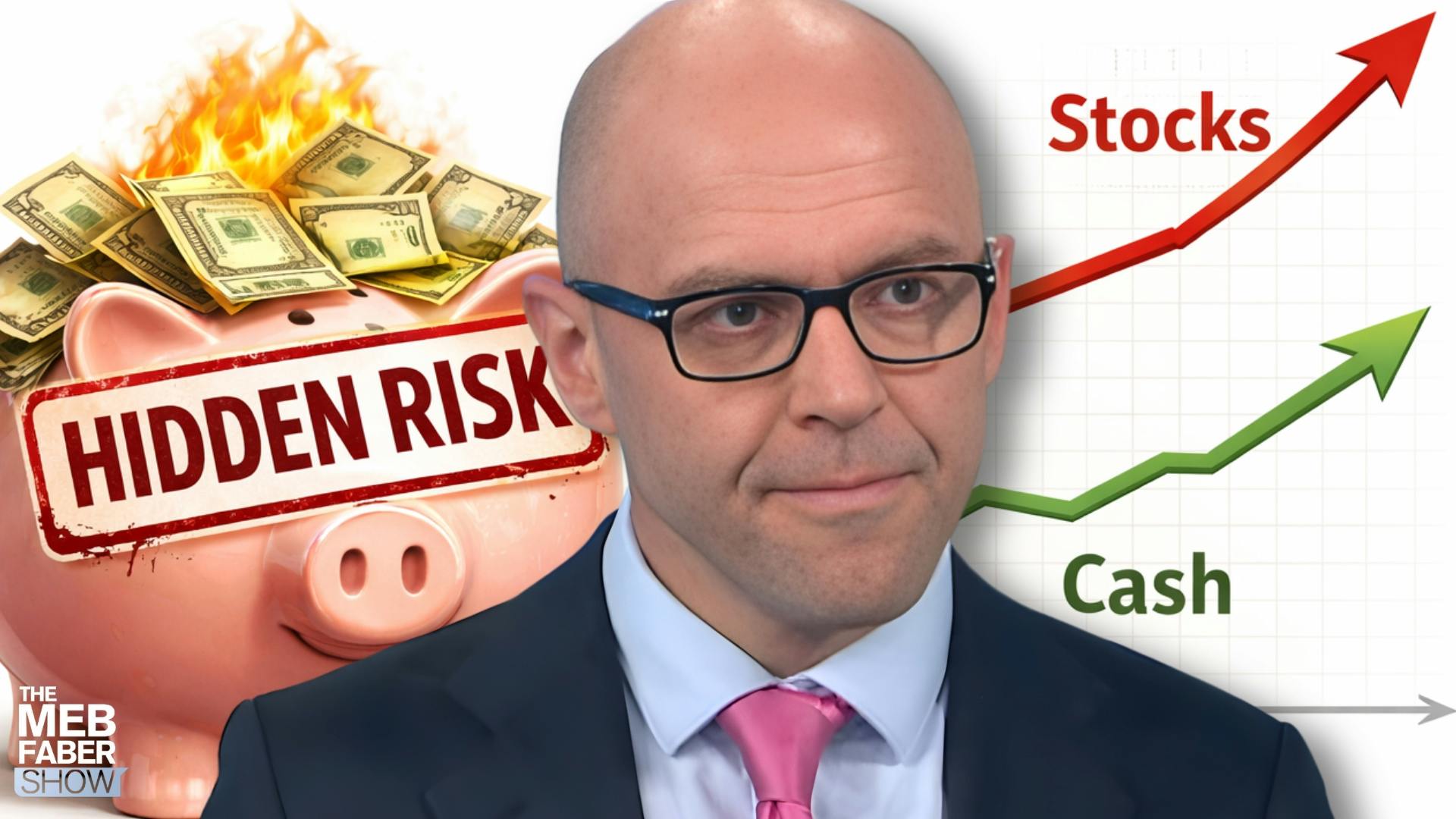
The knee-jerk reaction to a geopolitical shock is often a bond market rally (flight to safety). However, if the shock impacts supply (e.g., oil), the market can quickly reverse. It pivots from pricing geopolitical risk to pricing the risk of persistent inflation, forcing yields higher in anticipation of rate hikes.
For 40 years, falling rates pushed 'safe' bond funds into increasingly risky assets to chase yield. With rates now rising, these mis-categorized portfolios are the most vulnerable part of the financial system. A crisis in credit or sovereign debt is more probable than a stock-market-led crash.

U.S.-China friction presents a dual threat to bond markets. Near-term growth risks from tariffs and domestic instability could push yields lower. Simultaneously, medium-term uncertainties from higher fiscal deficits, inflation, and AI-related spending point towards a steeper yield curve and higher long-term rates.
The Iran conflict has created competing forces in the U.S. Treasury market. While geopolitical risk typically drives a flight to safety (lower yields), the threat of oil-induced inflation is pushing in the opposite direction (higher yields).