Get your free personalized podcast brief
We scan new podcasts and send you the top 5 insights daily.
Sen. Bill Cassidy, a key figure in health policy, is facing a tough primary because his attempts to navigate a middle path—hesitating on controversial votes while trying to maintain party loyalty—failed to satisfy any side. In today's polarized landscape, especially within a closed primary, this strategy of playing both sides has backfired, alienating his hard-right base without winning over others.

Related Insights
The core structural threat to political incumbents is now from primary challengers, not the general election. This forces candidates to appeal to their party's most extreme base rather than the median voter, creating a system that structurally rewards polarization and discourages broad-based governance.

The political strategy of appealing to the base during a primary and then moderating for the general election is increasingly difficult. In the age of social media, any hardline statements made to win the primary can be instantly resurfaced and weaponized by opponents, alienating centrist voters.

A savvy political strategy involves forcing opponents to publicly address the most extreme statements from their ideological allies. This creates an impossible purity test. No answer is good enough for the fringe, and any attempt to placate them alienates the mainstream, effectively creating a schism that benefits the opposing party.

Mayor David Holt argues the perception of a polarized America is misleading. He believes a 70% moderate majority is silenced by an electoral system, particularly closed primaries, that empowers the extreme 15% on each side to select polarizing candidates.

If incumbent Bill Cassidy loses his primary, the Senate Health Committee will lose its chair and most experienced health policy 'wonk.' This would effectively remove a key moderate Republican check on the executive branch's health-related appointments and agenda, potentially giving the White House far more leeway to push through controversial candidates and policies.
In gerrymandered districts, the primary election, not the general, is the real contest. This system empowers the most extreme voters who dominate primaries, leading to the election of highly polarized officials who are unwilling to compromise, creating legislative gridlock and fueling political division.

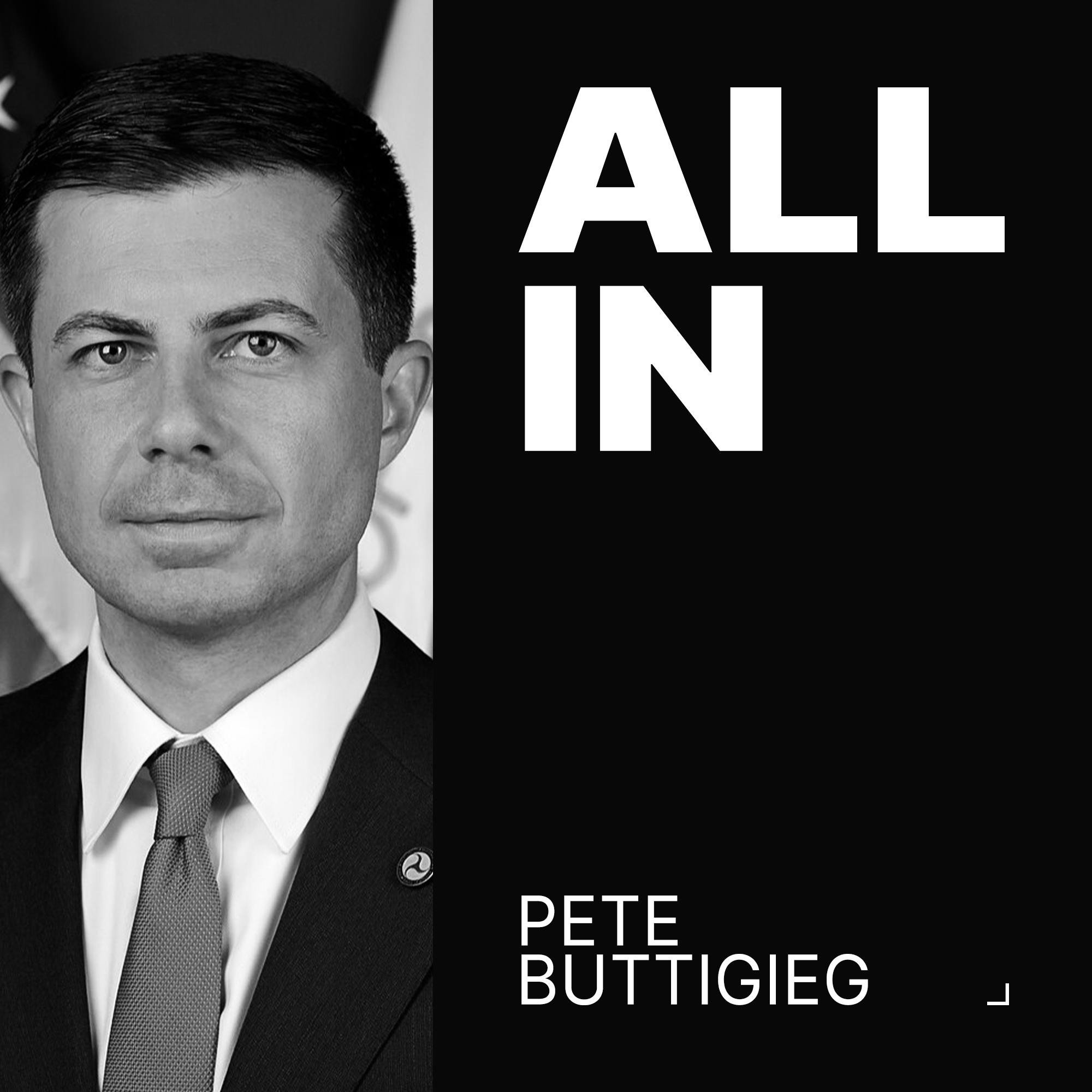
With over 90% of congressional districts being non-competitive, the primary election is often the only one that matters. Buttigieg argues this incentivizes candidates to appeal only to their party's extreme flank, with no need to build broader consensus for a general election.
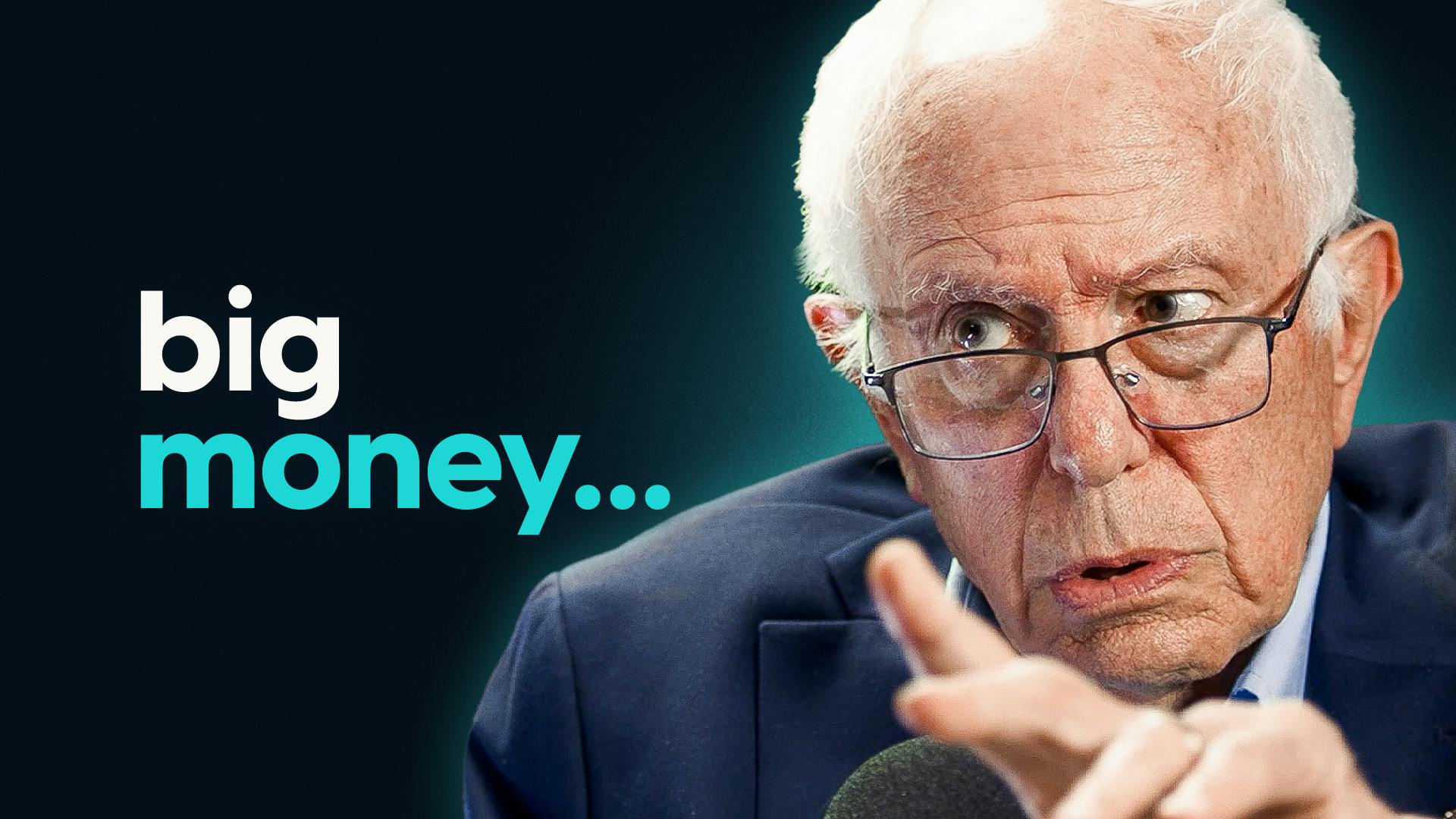
Senator Sanders describes a 'Stalinist type allegiance' within the Republican party, where dissent against Donald Trump is rare. Politicians fear that any criticism will result in them being targeted in primary elections by billionaire-funded challengers, creating a cult of personality that stifles independent thought.
From a branding perspective, voters value consistency, even if they disagree with the platform. A politician who flip-flops, like John Kerry, is seen as weak and unprincipled. Therefore, Marjorie Taylor Greene's sudden pivot away from Trump is a high-risk branding move that defies conventional political wisdom about adapting to sentiment.
The conventional wisdom that moderate candidates are more electable is a myth. Elections are won by turnout, not by appealing to the median voter. A polarizing figure who excites their base will often win by a larger margin than a moderate who fails to generate enthusiasm.
