Get your free personalized podcast brief
We scan new podcasts and send you the top 5 insights daily.
With over 90% of congressional districts being non-competitive, the primary election is often the only one that matters. Buttigieg argues this incentivizes candidates to appeal only to their party's extreme flank, with no need to build broader consensus for a general election.

Related Insights
The Epstein files show how internal party challengers can leverage a single, highly-charged issue to confront a dominant leader like Trump. This tactic allows figures like Marjorie Taylor Greene to gain national visibility and reshape their political brand, potentially shifting from extremist to 'reasonable' in the public eye.

A common assumption is that a neutral process is inherently fair. However, due to natural population clustering (e.g., Democrats in cities), a randomly drawn map can still heavily favor one party. Achieving fairness may require intentional design to counteract geographic disadvantages, not just the absence of malicious intent.

A savvy political strategy involves forcing opponents to publicly address the most extreme statements from their ideological allies. This creates an impossible purity test. No answer is good enough for the fringe, and any attempt to placate them alienates the mainstream, effectively creating a schism that benefits the opposing party.

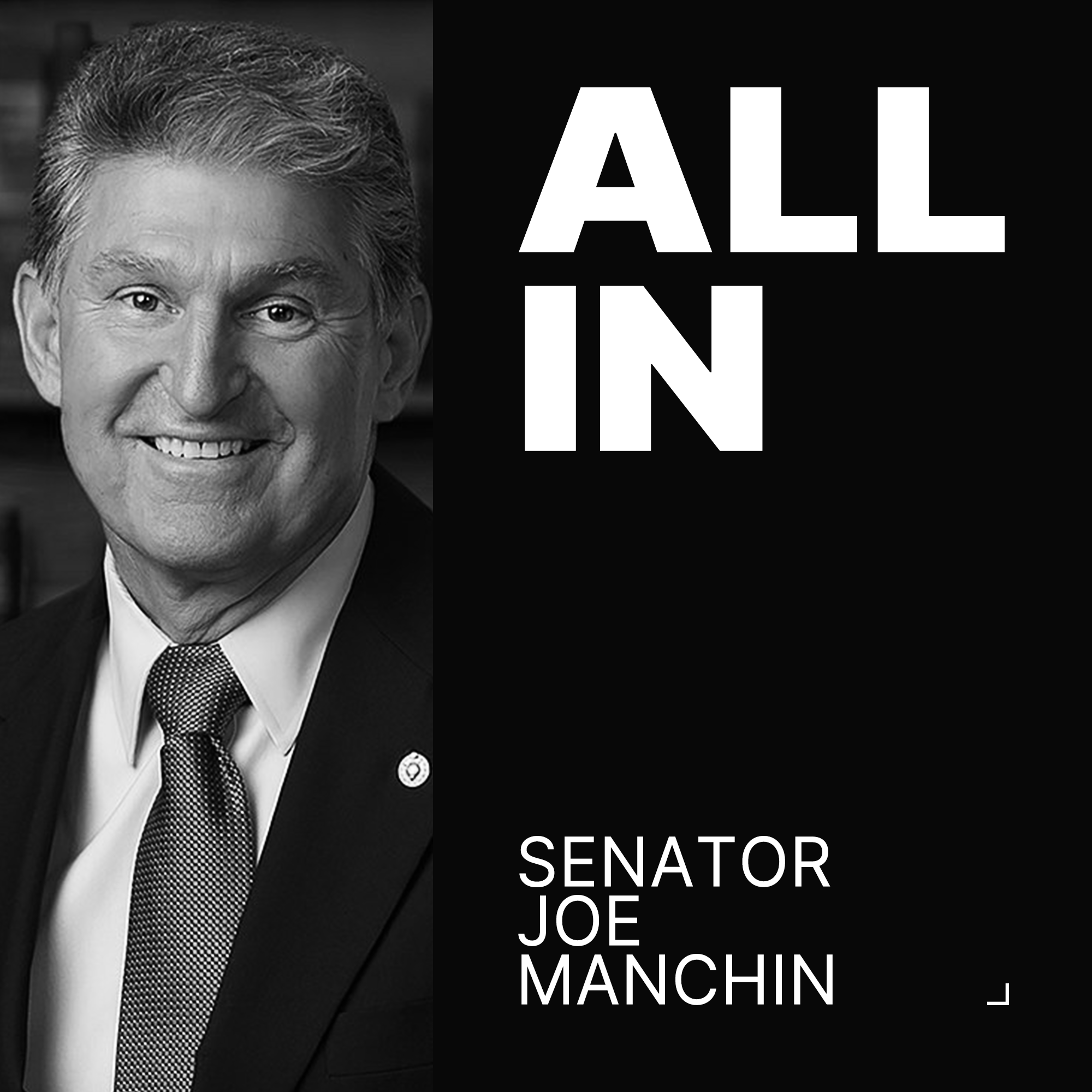
Manchin argues that closed primary systems, controlled by the two major parties, disenfranchise the largest bloc of American voters: independents. He suggests this restriction on participation could be legally challenged under the Voting Rights Act to open up the candidate selection process.
A common focus in redistricting reform is preventing 'crazy-looking' districts. However, this is a red herring. A legislature can easily create visually compact, 'nice-looking' districts that are just as politically skewed, making district shape an unreliable metric for fairness.
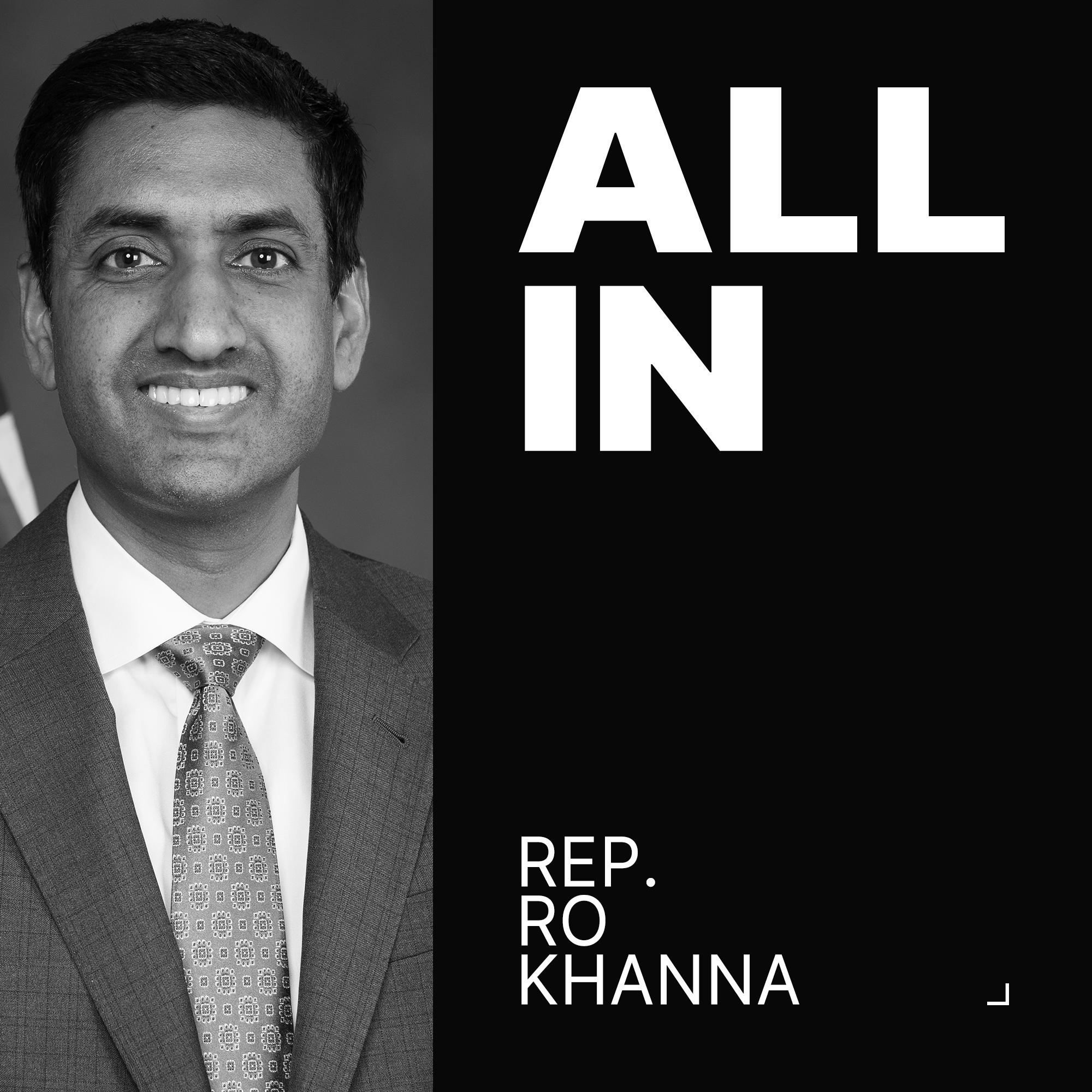
Congressman Ro Khanna argues that the primary corrupting force in American politics has shifted from money to hate and extremism. The modern attention economy rewards divisive behavior with media coverage and base support, making rational, bipartisan compromise a politically costly strategy.
Buttigieg suggests that crowning Kamala Harris as the nominee without a competitive primary was a strategic error. He argues that a primary process, while messy, sharpens candidates and strengthens them for the general election. By avoiding this test, the party may have fielded a weaker nominee.
The conventional wisdom that moderate candidates are more electable is a myth. Elections are won by turnout, not by appealing to the median voter. A polarizing figure who excites their base will often win by a larger margin than a moderate who fails to generate enthusiasm.

Instead of single-winner districts, a powerful reform is creating larger, multi-member districts that elect several representatives (e.g., 4 districts electing 3 members each). This allows for more proportional outcomes that reflect an area's political diversity, as a minority group can win one of the multiple seats.
When a minority party's voters are spread evenly across a state, they can lose every election despite having substantial support (e.g., 30-40%). This 'natural cracking' is seen in Massachusetts, where Republicans consistently get a third of the statewide vote but hold no congressional seats.