Get your free personalized podcast brief
We scan new podcasts and send you the top 5 insights daily.
In gerrymandered districts, the primary election, not the general, is the real contest. This system empowers the most extreme voters who dominate primaries, leading to the election of highly polarized officials who are unwilling to compromise, creating legislative gridlock and fueling political division.

Related Insights
The core structural threat to political incumbents is now from primary challengers, not the general election. This forces candidates to appeal to their party's most extreme base rather than the median voter, creating a system that structurally rewards polarization and discourages broad-based governance.

A savvy political strategy involves forcing opponents to publicly address the most extreme statements from their ideological allies. This creates an impossible purity test. No answer is good enough for the fringe, and any attempt to placate them alienates the mainstream, effectively creating a schism that benefits the opposing party.

Politicians are fundamentally incapable of drawing fair electoral boundaries due to an inherent conflict of interest: they want to ensure their party wins. Using a randomly sampled citizens' commission, as Michigan did, removes this conflict. This allows ordinary people, guided by a sense of fairness, to create equitable maps where politicians and courts have failed.

Oklahoma City's mayor is elected in a non-partisan system where all candidates face all voters. This incentivizes building a broad coalition from the 70% of moderates, rather than appealing to the polarized extremes common in closed party primaries.
Mayor David Holt argues the perception of a polarized America is misleading. He believes a 70% moderate majority is silenced by an electoral system, particularly closed primaries, that empowers the extreme 15% on each side to select polarizing candidates.
A common focus in redistricting reform is preventing 'crazy-looking' districts. However, this is a red herring. A legislature can easily create visually compact, 'nice-looking' districts that are just as politically skewed, making district shape an unreliable metric for fairness.

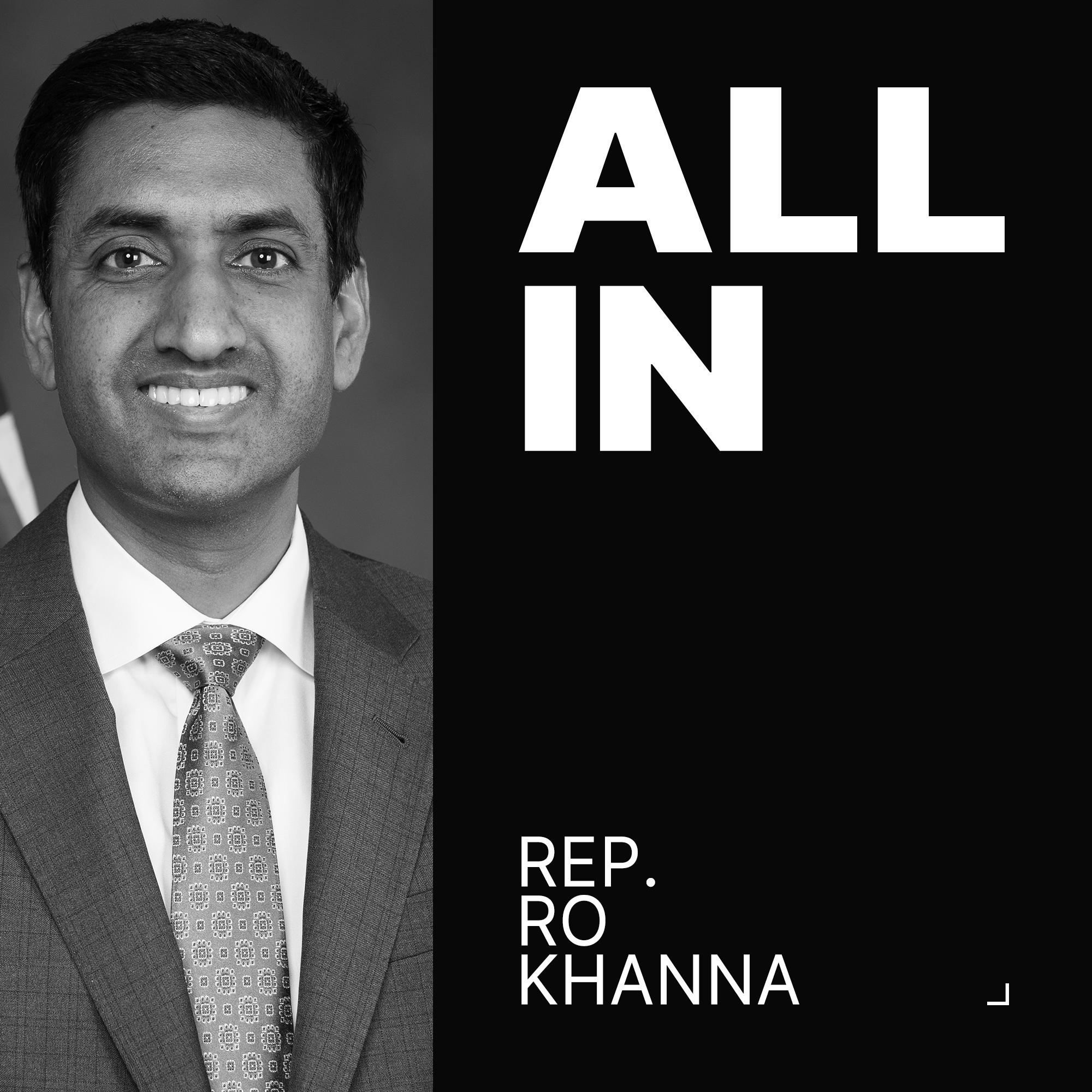
Congressman Ro Khanna argues that the primary corrupting force in American politics has shifted from money to hate and extremism. The modern attention economy rewards divisive behavior with media coverage and base support, making rational, bipartisan compromise a politically costly strategy.
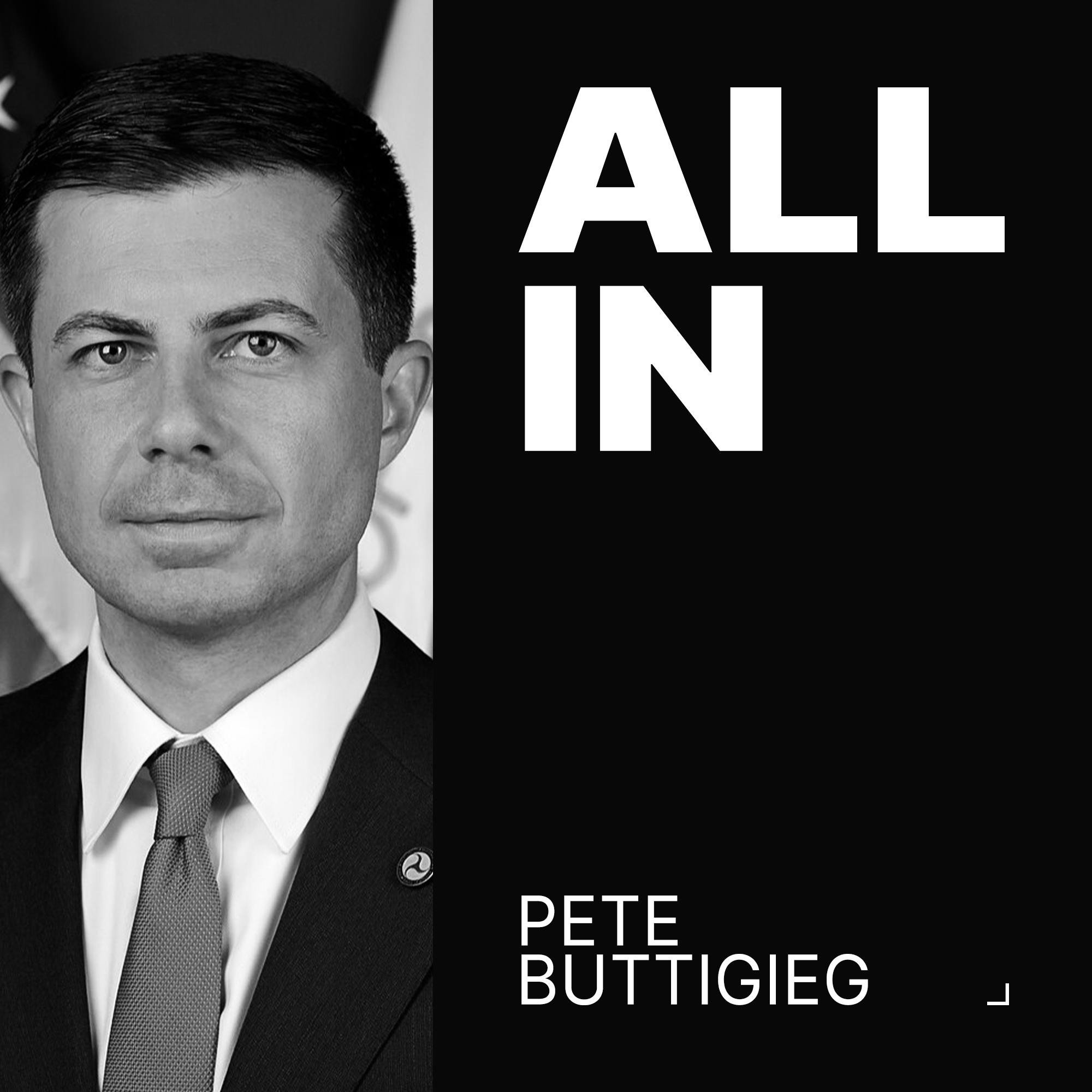
With over 90% of congressional districts being non-competitive, the primary election is often the only one that matters. Buttigieg argues this incentivizes candidates to appeal only to their party's extreme flank, with no need to build broader consensus for a general election.
The conventional wisdom that moderate candidates are more electable is a myth. Elections are won by turnout, not by appealing to the median voter. A polarizing figure who excites their base will often win by a larger margin than a moderate who fails to generate enthusiasm.

Political strategist Bradley Tusk claims the key to solving polarization is to increase primary election turnout from its typical 10%. He argues mobile voting could boost participation to 40%, forcing politicians to appeal to a more moderate majority rather than catering exclusively to the ideological extremes and special interests that currently dominate low-turnout primaries.
