Get your free personalized podcast brief
We scan new podcasts and send you the top 5 insights daily.
If incumbent Bill Cassidy loses his primary, the Senate Health Committee will lose its chair and most experienced health policy 'wonk.' This would effectively remove a key moderate Republican check on the executive branch's health-related appointments and agenda, potentially giving the White House far more leeway to push through controversial candidates and policies.

Related Insights
The core structural threat to political incumbents is now from primary challengers, not the general election. This forces candidates to appeal to their party's most extreme base rather than the median voter, creating a system that structurally rewards polarization and discourages broad-based governance.

The drama surrounding Sarepta's gene therapy, where a top regulator was ousted after political pushback and later reinstated, shows the FDA is now more amenable to outside influence. This case study indicates that presidential and activist pressure can directly impact regulatory enforcement and personnel decisions, moving beyond purely scientific considerations.

A top CDC political appointee, Dr. Ralph Abraham, publicly dismissed the significance of the U.S. potentially losing its measles elimination status. This view, starkly different from that of career staff, signals a potential shift in the agency's public health priorities under new political leadership known for vaccine skepticism.
Historically a Democratic focus, drug pricing policy has been co-opted by Republicans, making it a bipartisan political issue. This alignment creates a stable policy overhang and sustained uncertainty around pricing and innovation, deterring generalist investors regardless of which party is in power.

The replacement of CEDAR Director Richard Pazder with Tracy Beth Hoeg, who is viewed as an ideologue lacking regulatory experience, signals a shift toward politically driven decisions at the FDA. This move creates significant uncertainty and raises concerns that ideology, not science, will influence drug approvals.

The podcast's policy expert makes a bold forecast of a significant leadership shake-up, predicting that the HHS Secretary, FDA Commissioner, and directors of key centers like CBER and CEDAR will not be in their roles a year from now.

FDA Commissioner Macari is facing intense criticism, including from conservative media. This pressure may be compelling the agency to greenlight approvals, particularly for orphan drugs, to appease powerful patient advocacy groups and improve the agency's political standing ahead of potential leadership changes.

The HHS Secretary's unprecedented interview of a candidate for FDA's CEDAR Director marks a significant politicization of a traditionally scientific, civil service position. This shift suggests future directors may need political alignment with the administration, leading to greater risk aversion, erratic decision-making, and less predictability for the biopharma industry.

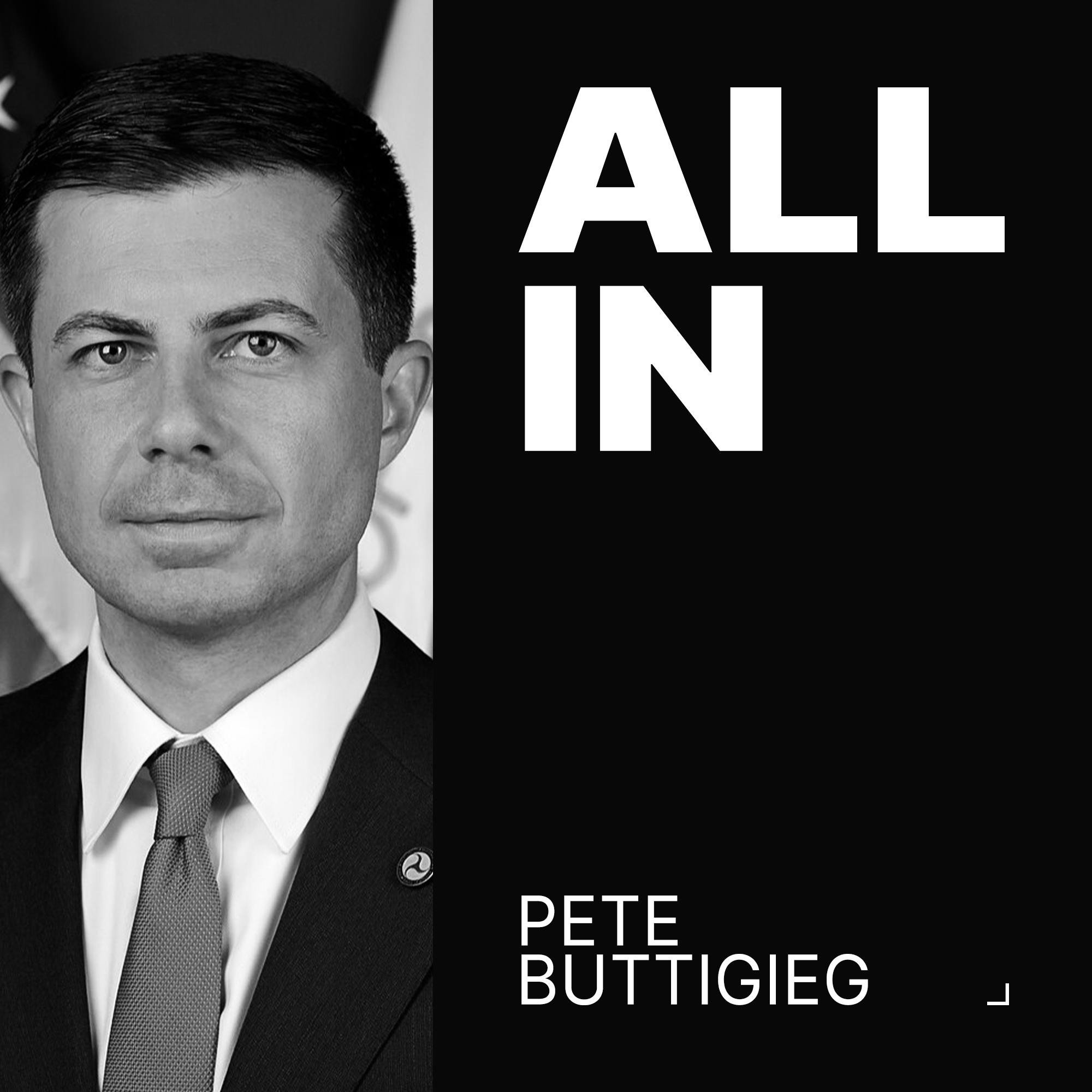
With over 90% of congressional districts being non-competitive, the primary election is often the only one that matters. Buttigieg argues this incentivizes candidates to appeal only to their party's extreme flank, with no need to build broader consensus for a general election.
Sen. Bill Cassidy, a key figure in health policy, is facing a tough primary because his attempts to navigate a middle path—hesitating on controversial votes while trying to maintain party loyalty—failed to satisfy any side. In today's polarized landscape, especially within a closed primary, this strategy of playing both sides has backfired, alienating his hard-right base without winning over others.