Get your free personalized podcast brief
We scan new podcasts and send you the top 5 insights daily.
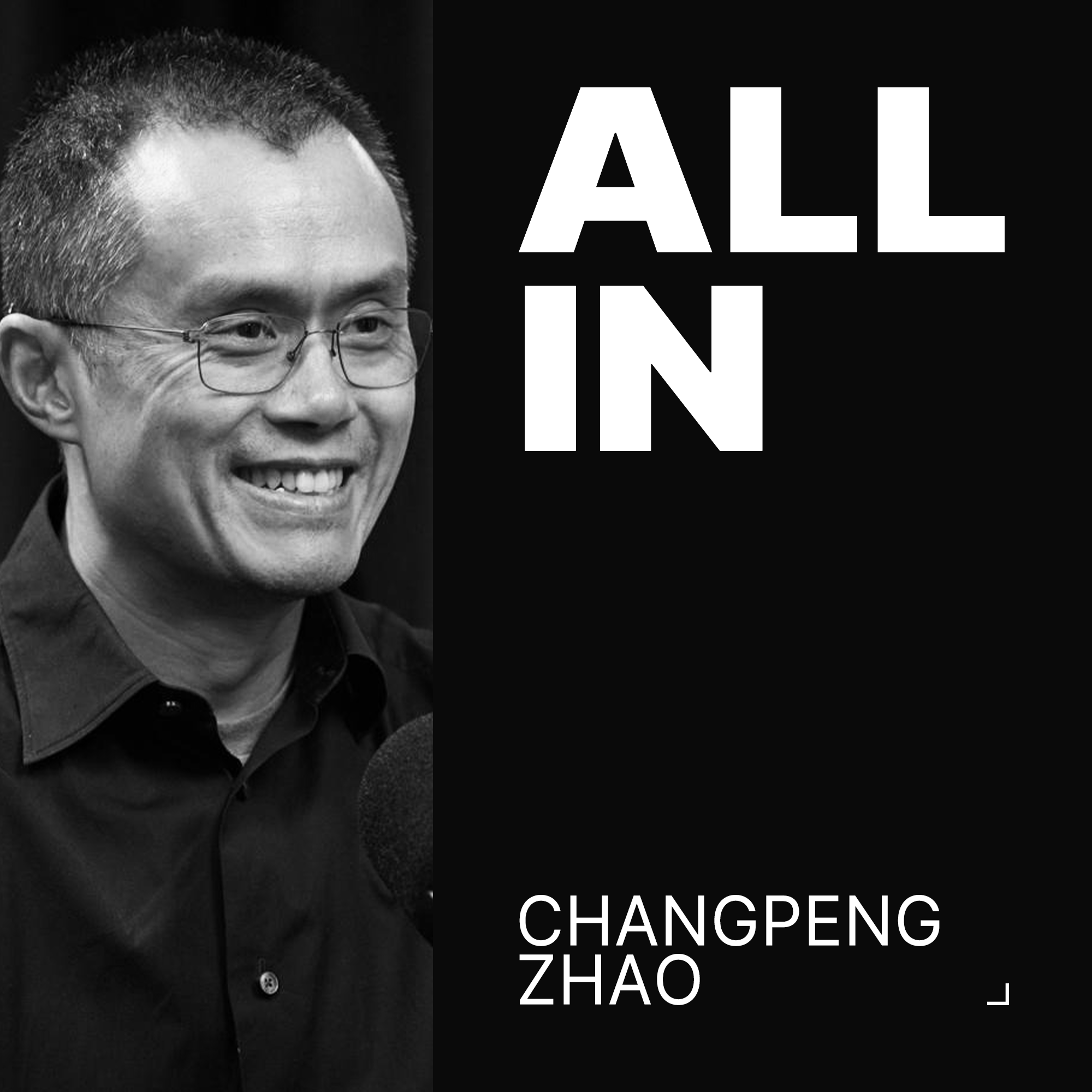
CZ's first entrepreneurial venture in Shanghai aimed to bring Wall Street tech to China. However, after launching, they discovered that as a Wholly Foreign-Owned Enterprise (WFOE), they were legally barred from working with Chinese financial institutions, forcing a pivot to general IT services.
Related Insights
Learning from the struggles of Alibaba and Tencent, a new generation of Chinese AI companies will proactively establish headquarters in neutral hubs like Singapore. This strategy is designed to shed their identity as purely "Chinese tech," making them more palatable for global markets, acquisitions, and IPOs.

Meta's acquisition of Manus, a Chinese-founded startup that moved to Singapore, is being scrutinized by Beijing. This shows that simply changing legal domicile is not enough to escape China's control over deals involving its domestic technology, data, or talent, setting a precedent for future cross-border M&A.

The number of startups founded in China dropped from 51,000 in 2018 to just 1,200 in 2023, a 98% decrease. Roelof Botha attributes this collapse to unpredictable government regulations that stifle entrepreneurial risk-taking, serving as a warning for how policy could impact innovation elsewhere.

Before launching its own exchange, CZ's company provided "exchange-as-a-service" software to 30 other exchanges. When the Chinese government shut down their clients in 2017, they were forced to pivot, using their existing technology to launch Binance.
Meta's $2.5B acquisition of Butterfly Effect shows a playbook for acquiring Chinese-origin tech. By relocating to a neutral country like Singapore, the company becomes palatable for US investment and acquisition, navigating geopolitical regulations and PR backlash, effectively getting "into the democracy bucket."

The creation of a US-controlled joint venture for TikTok mirrors the structure that Western companies historically had to adopt to enter China. This role reversal shows how geopolitical power dynamics are reshaping global tech and business regulations.
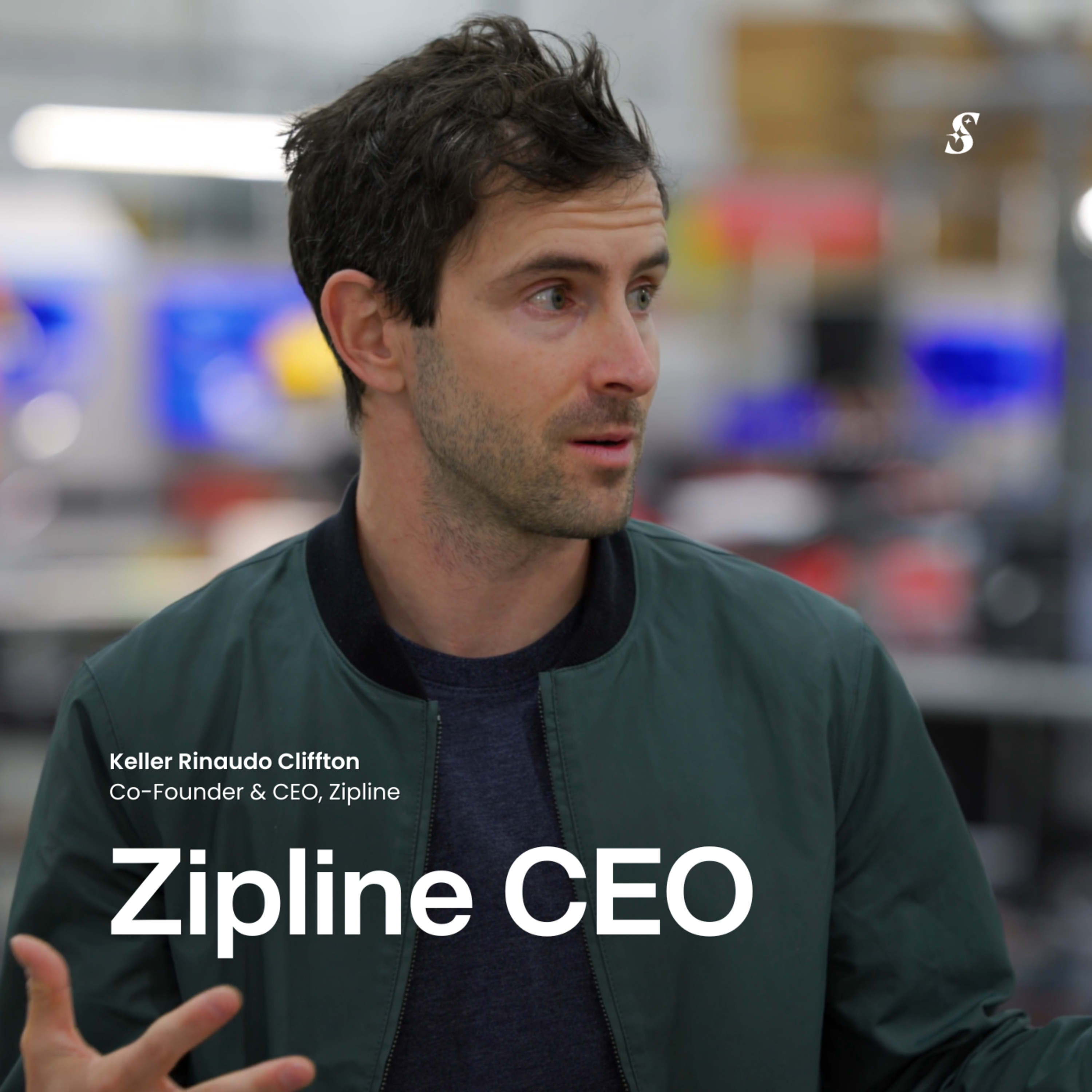
When domestic regulations make a business model illegal, founders can launch in a more favorable foreign country. By partnering with governments there and gathering extensive operational data (e.g., 100M miles with no incidents), they can return to their home market with the credibility needed to gain regulatory approval.
CZ spent nearly a decade, from his first internship in Tokyo to managing a team at Bloomberg, exclusively building low-latency order execution systems for traditional finance. This deep, niche expertise became his unfair advantage when building Binance's high-performance matching engine.
Prominent investor Keith Rabois claims that payments company Airwallex, despite its Singapore HQ, has significant operations and legal obligations in China. He alleges this structure requires them to assist with CCP espionage by providing sensitive financial data from US customers, including AI labs and defense contractors.

Early-stage founders may face rejection because a VC has a pre-existing bias against their market. A Buildots founder was told "I'm not going to invest in construction" but was offered a $4M check to pivot to cybersecurity, demonstrating some investors have hard "no-go" zones.
