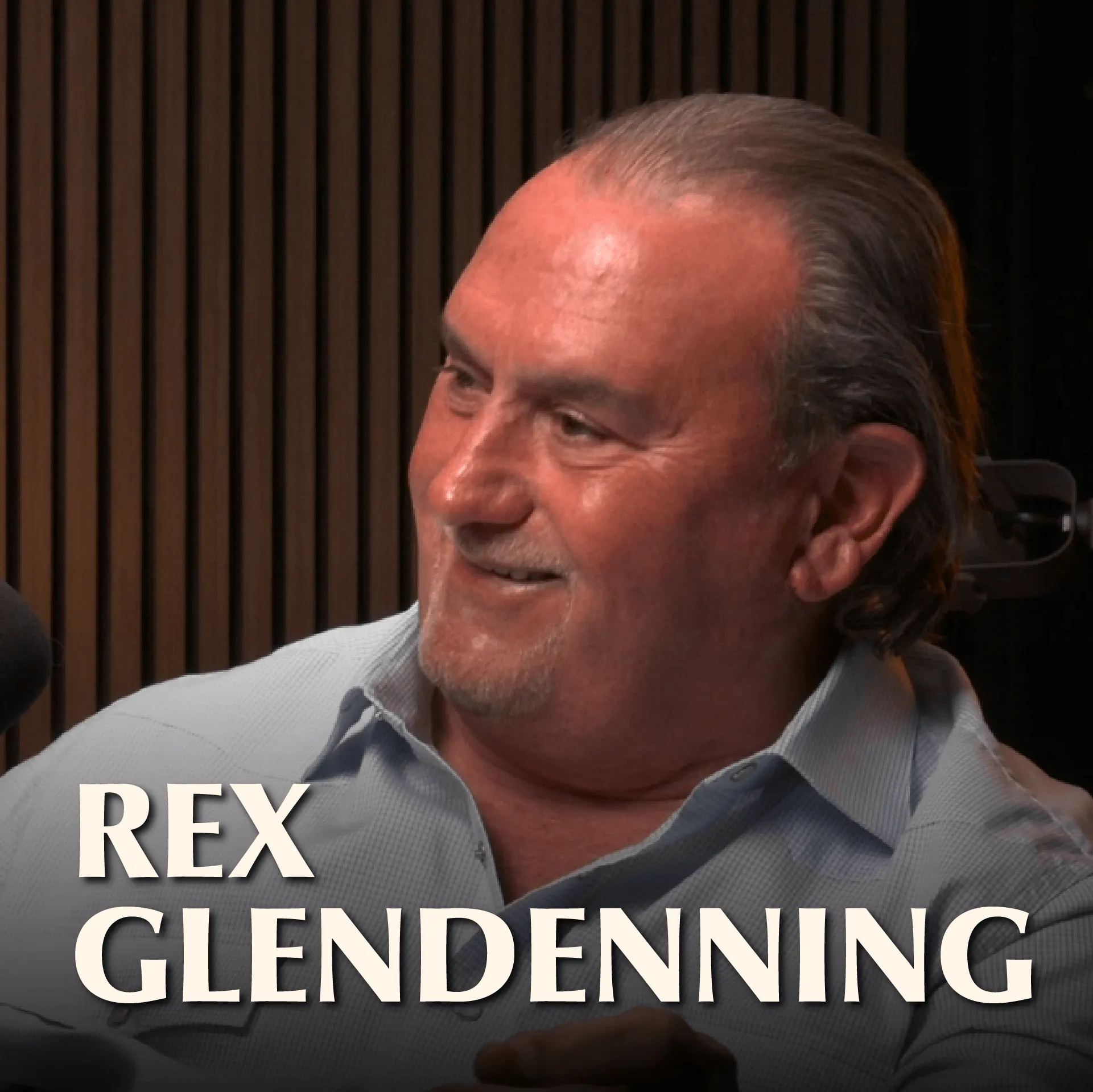
Land broker Rex Glendenning states a simple, powerful heuristic: with few exceptions due to geography, every major city in the United States expands northward. This fundamental, yet often overlooked, principle should be the first page of any real estate textbook and can guide long-term land acquisition strategies.
Smaller, high-growth cities finance major infrastructure by using Public-Private Partnerships (PPPs). They place the financial burden on developers to extend sewer and water lines, incentivizing them with tools like PIDs and TERS. This allows the city to expand rapidly without taking on massive public bond debt.
The single-family housing market is directly tied to immigration policy. A drastic reduction in H1B visas led to a 60% decline in traffic from "cultural buyers" in some subdivisions. This caused sales to stagnate as a key demographic of homebuyers, concerned about their visa status, vanished from the market.
While the market has cooled, the most significant financial distress is likely still ahead. Experienced investors are waiting for a major "artery to pop"—a large, overleveraged deal to fail—which will trigger deeper price discovery and create major buying opportunities. This moment is predicted for 2026-2027.
In a long-term bull market like North Texas, a single tract of land was sold 13 times before its final development. Each successive speculative buyer made significant money, illustrating how value is created incrementally over decades as a region matures, long before any construction begins.
The pandemic acted as a massive catalyst, pushing the Dallas-Fort Worth real estate market forward by an estimated ten years. What was projected for 2030, such as the rooftop density needed to attract major retail like HEB and Costco, materialized in 2020-2022 instead due to the influx of people and capital.
Glendenning applied a parenting lesson to business: knowing when not to talk is critical. He'd prepare everything for his kids' early track meets but wouldn't speak, respecting their 5 AM mindset. This builds trust, making later conversations more effective. The same applies to knowing an employee's or client's state of mind.
Being kind in business doesn't signal weakness; it demonstrates strength and builds social capital. It's a "shield" that costs nothing to deploy and is a powerful tool for navigating complex situations. This approach doesn't preclude the ability to be tough when necessary, but kindness should be the default stance.
A top broker's value isn't just finding a buyer; it's orchestrating the deal. This includes securing complex public financing (like a TERS zone) and development agreements before closing. This de-risks the project for the buyer, increases the property's value, and justifies a higher commission.