Get your free personalized podcast brief
We scan new podcasts and send you the top 5 insights daily.
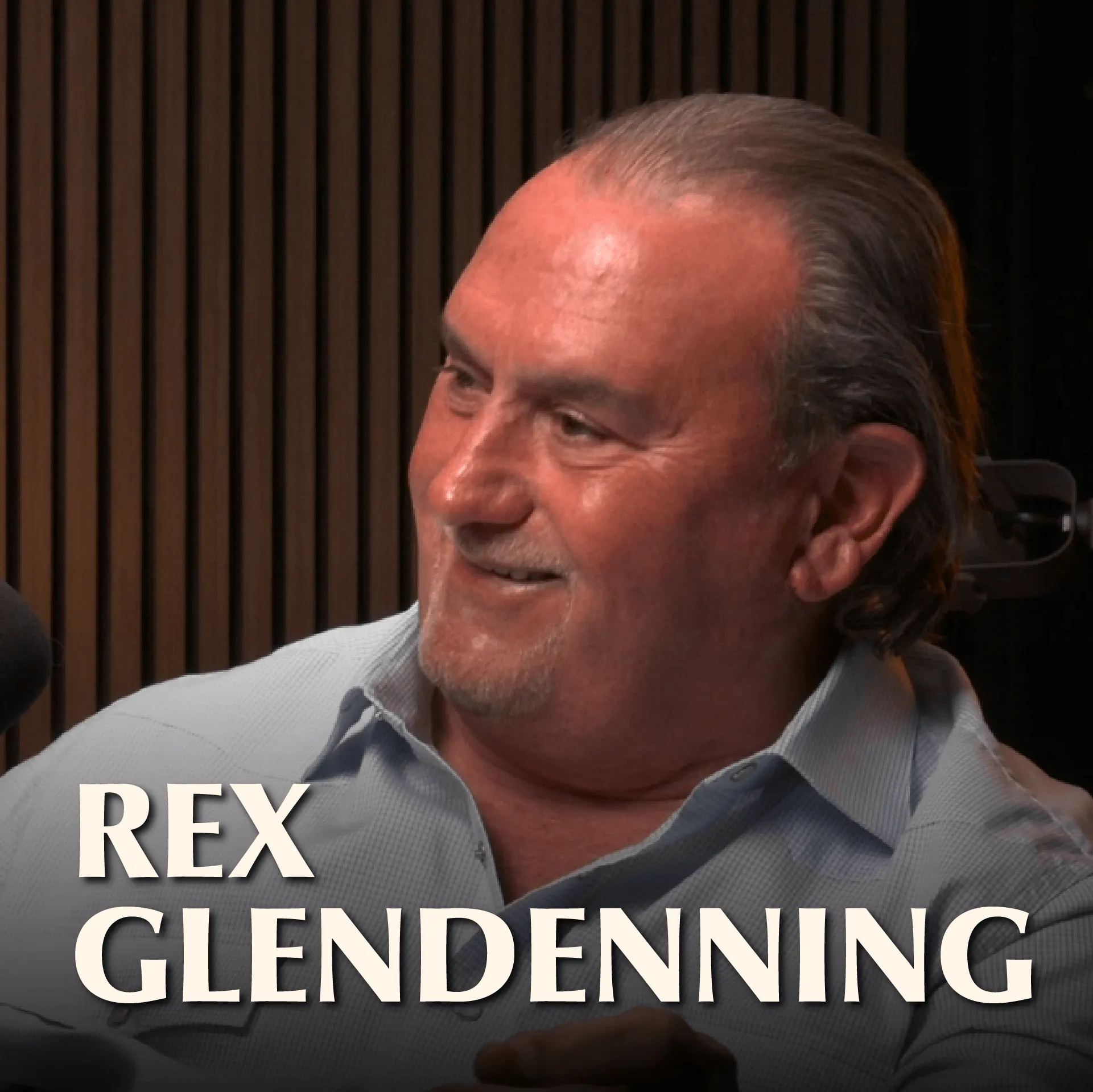
Glendenning applied a parenting lesson to business: knowing when not to talk is critical. He'd prepare everything for his kids' early track meets but wouldn't speak, respecting their 5 AM mindset. This builds trust, making later conversations more effective. The same applies to knowing an employee's or client's state of mind.
Related Insights
Most salespeople fear silence and rush to fill it, appearing insecure. By intentionally embracing silence, you reframe it as a tool. It signals confidence, gives the buyer critical time to process information, and, like a pause in a performance, can make them lean in and pay closer attention.

Charismatic, visionary leaders often have many ideas, but their constant input can inadvertently stifle their teams' creativity. To foster innovation, they must consciously create space for others to share their "slices of genius," for instance by intentionally remaining silent during the initial phase of meetings.
Conversations have layers: practical, emotional, and social. When an employee raises a practical issue (e.g., a budget) using emotional language (e.g., anxiety), a leader must first match and acknowledge the emotional layer before shifting to problem-solving. This builds trust and proves they are truly listening.
The foundation of clear communication isn't eloquence but active listening. The goal is to understand the other person's perspective before formulating a response, which also helps prevent reactive, stress-induced replies and makes others feel heard.
True leadership strength isn't about being the loudest voice. It's the 'quiet edge'—the ability to maintain physiological composure and emotional mastery amidst chaos. This allows for thoughtful responses instead of knee-jerk reactions, leading to better decisions under pressure.

The single biggest predictor of a valuable one-on-one is the direct report's active participation, measured by talk time. The ideal balance is the direct report speaking 50% to 90% of the time. Conversely, the biggest predictor of an ineffective session is a manager who talks more than their direct report.

Effective leaders practice "interpersonal situational awareness." They assess audience mood, timing, and subtext to frame their message appropriately. For example, a Cisco executive won over his team by acknowledging his meeting was poorly timed at 4:30 PM on a Friday, building immediate rapport before presenting.

To avoid influencing their team's feedback, leaders should adopt the practice of being the last person to share their opinion. This creates a psychologically safe environment where ideas are judged on merit, not on alignment with the leader's preconceived notions, often making the best decision obvious.

As responsibilities grow, leaders often default to transactional interactions to save time, which erodes trust. The most impactful leaders learn to be fully present in each conversation, even if it means delaying another task. Culture is built one high-quality interaction at a time, not through rushed efficiency.

During tense negotiations, Dan Caruso would use orchestrated silence as a tool. He would instruct his team not to speak if he went quiet, letting an uncomfortable 10 seconds pass. This often pressures the other side to break the silence, revealing anxiety or concessions they wouldn't have otherwise offered. It's a rehearsed team tactic to gain leverage.
