Get your free personalized podcast brief
We scan new podcasts and send you the top 5 insights daily.
Marketing's deepest function isn't just awareness; it's incepting an anticipated feeling. This anticipation, created by branding, physically alters our sensory experience. As brain scans show with wine, the story makes the product itself better.

Related Insights
To truly change a brand's narrative, marketing's 'talking the talk' is insufficient. The product experience itself must embody the desired story. This 'walking the walk' through the product is the most powerful way to shape core brand perception and make the narrative shareable.
Branding isn't a vague "feeling." It is the intentional engineering of an association between your product and a positive result in the customer's mind. For example, Coca-Cola pairs drinking their product with the outcome of "yum," making customers reach for it when they desire that feeling.

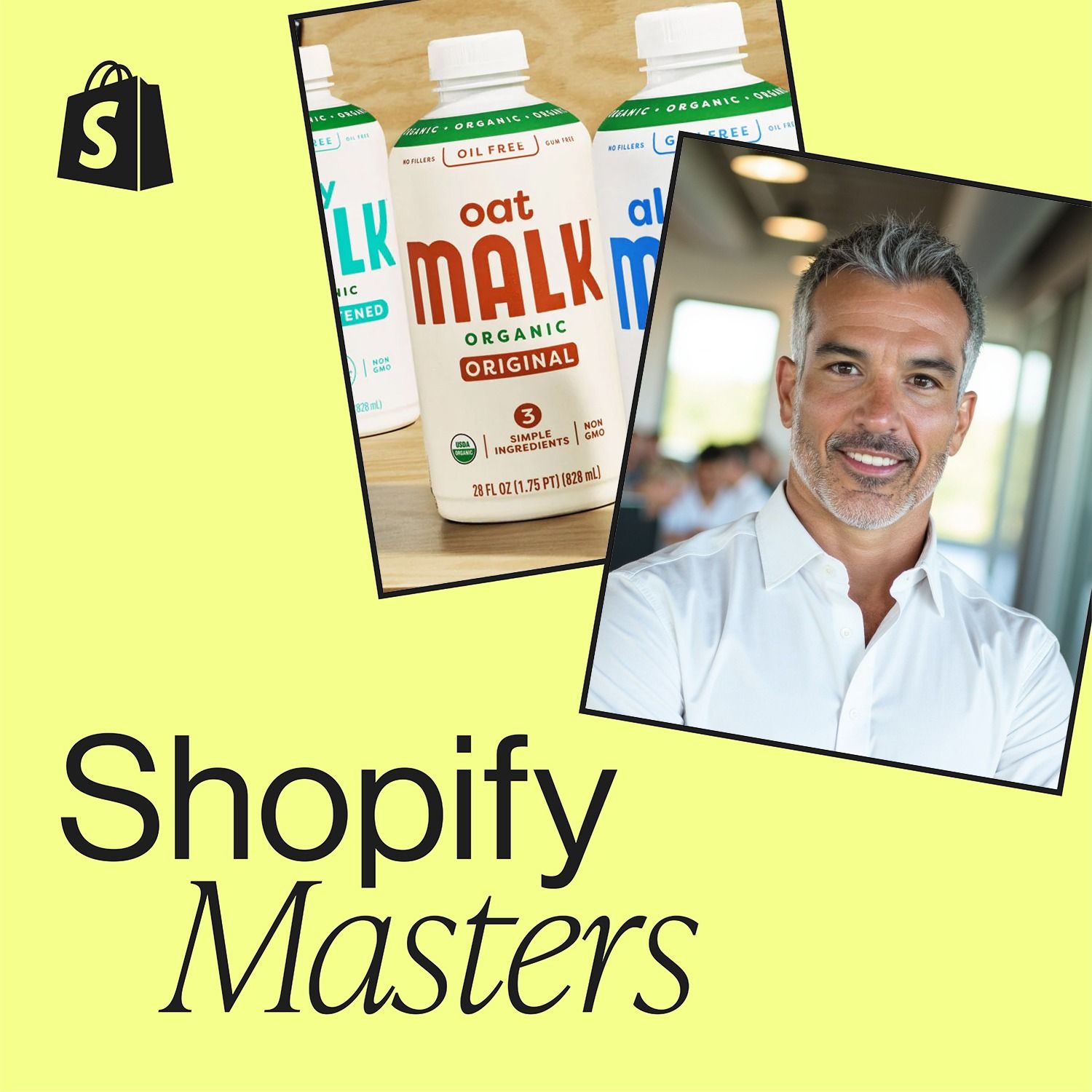
Malk's messaging evolved from focusing on what it lacked (gums, fillers) to highlighting the sensory experience of using the product. Recognizing that taste is paramount, the brand created assets showing the milk being poured into coffee or cereal. This shift from a rational, feature-based message to an emotional, benefit-driven one is key for brand maturation.
The expectation set by a high price can literally change how a consumer experiences a product. In one study, the same wine was rated 70% better when participants believed it was expensive. This isn't just perception; it's a self-fulfilling prophecy where price dictates the perceived quality of the experience itself.

Consumers use price as a proxy for quality. In one study, people rated the same wine 70% higher when they thought it cost $45 versus $5. A premium price creates an expectation of a premium experience, which can become a self-fulfilling prophecy for the user.

Guinness employs inspectors to enforce a precise, 119.5-second pouring ritual. This is not just about tradition; it is a strategic form of quality control and experiential branding. This ritual ensures a premium, consistent product, justifying its price and driving repeat sales by creating a memorable customer experience.

Coca-Cola markets a sugary beverage with no nutritional value by completely ignoring product attributes. Instead, its brand is built on emotionally resonant stories of happiness and togetherness, proving that a powerful intangible idea can be more persuasive than the tangible product itself.

Instead of treating marketing as a cost, create paid, immersive experiences (like the Guinness Storehouse) that invite customers into your brand's world. These 'invitational transformations' can shift a customer's identity (e.g., 'I am a whiskey drinker'), making marketing a profitable brand-building activity.
A strong brand transforms a commodity by pairing it with desirable traits like "winning" or "luxury." Customers pay a premium not for the physical item, but to acquire a small piece of that association for themselves. They exchange money to feel like a winner or part of an exclusive group.
Pleasure is a simple, often solitary sensation. Enjoyment is a higher-order experience created by combining pleasure with social connection and memory-making. Effective brands don't just sell a product's pleasurable effects; they sell the enjoyable, communal experience of sharing that product with others, linking their brand to happiness.
