Get your free personalized podcast brief
We scan new podcasts and send you the top 5 insights daily.
After a sector experiences a narrative-driven bubble and subsequent crash (like AI or metals), the best strategy is often to ignore it for months. This "cool-down period" avoids the mental fatigue and potential losses from trading choppy, directionless price action while the market digests the damage.

Related Insights
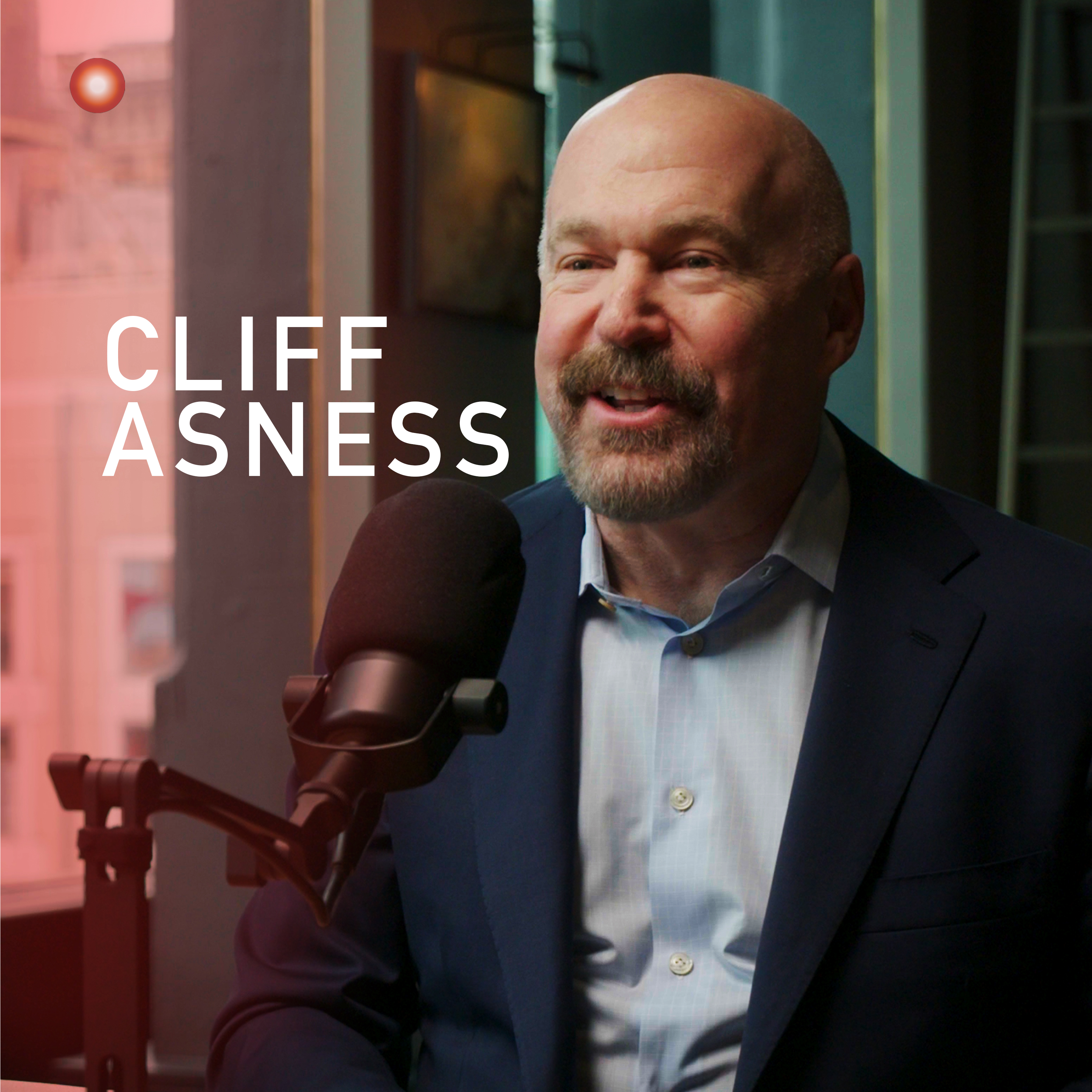
To avoid making emotionally-driven changes after a losing streak—which Cliff Asness calls his "only negative five sharp ratio strategy"—AQR delays implementing major model adjustments for six months. This forced cooling-off period ensures decisions are based on rigorous research, not recent performance.
In a headline-driven market, traders avoid getting whipsawed by focusing on a long-term thematic view for a specific asset class. They establish a position based on their structural outlook and potential upside/downside scenarios, rather than reacting to every piece of breaking news, which is often conflicting and impossible to trade profitably.

Instead of fighting or fearing market downturns, a superior strategy is to consciously "surrender" to their inevitability. This philosophical acceptance frees you from the draining, low-value work of predicting the unpredictable (recessions, crashes) and allows you to focus on owning resilient businesses for the long term.

When a stock moves dramatically (e.g., +/- 40%) after news, both the fundamentals and your portfolio weighting have significantly changed. Passively holding the same number of shares is highly unlikely to be the optimal strategy. You must actively re-evaluate and decide whether to add, trim, or sell completely.

Instead of one all-encompassing bubble, the market has experienced sequential manias where speculative fervor rotates between sectors (crypto, memes, precious metals). Each mania can crash individually without triggering a broad systemic reset, allowing overall market valuations to remain elevated for longer.

Current market shifts should not be mistaken for the end of the AI investment cycle. Instead, investors are rotating within the AI theme and diversifying into other sectors. It's a reset and a search for value beyond the most crowded names, not an exit.

Money is not created, but recycled. When a sector like AI becomes hot, capital flows out of previously favored sectors like SaaS. This creates opportunities for contrarian investors to buy high-quality but now unpopular businesses at depressed prices before the cycle turns again.

Despite being the worst momentum sell-off in 27 years, the market rotation out of AI stocks has not caused volatility in other asset classes like fixed income or foreign exchange. This suggests a localized, equity market structure issue rather than a systemic, cross-asset risk-off event.

Instead of constant activity, experienced traders understand that cash is a strategic position. They exercise patience, sidestepping low-conviction periods to wait for ideal conditions. The majority of their returns are made in short bursts where they can deploy capital aggressively into high-conviction setups.

Use signals like blow-off tops in adjacent assets (e.g., Oracle for AI) to gauge a sector's maturity. This framework helps differentiate "late inning" trades like AI from "early inning" opportunities like gold miners, guiding effective capital rotation.
