Get your free personalized podcast brief
We scan new podcasts and send you the top 5 insights daily.
Perks like 37signals' six-week sabbaticals are not a widespread trend but a luxury afforded by their specific business model: highly profitable, stable, with no investors. This allows them to prioritize employee retention and a unique culture over the hyper-growth demanded by VCs.
Related Insights
Dropout's ability to offer profit sharing and prioritize creative experiments stems from not having external shareholders to satisfy. This simple business structure is the key enabler of its worker-friendly and artistically-driven policies, avoiding the need to hoard profits for outside investors.

Automattic's mandatory 2-3 month sabbaticals are a strategic tool for organizational health. The prolonged absence of key people forces the company to eliminate single points of failure and develop new leaders, making the organization "infinitely more resilient and adaptable."
The true ROI of a great company culture is operational velocity. Long-tenured employees create a high-context environment where communication is efficient, meetings are shorter, and decisions are faster. This 'shared language' is a competitive advantage that allows you to scale more effectively than companies with high turnover.

Effective company culture isn't about corporate perks but about founders who genuinely invest in their employees as individuals. Taking the time to build personal relationships, such as meeting families, fosters a deeper, non-transactional connection that directly improves employee retention.
To conserve cash, especially in a downturn, founders can pay key employees 10-30% below market rate in salary. The key is to compensate for this deficit by offering double or triple the industry standard in equity. This strategy attracts top talent aligned with long-term success while keeping the company's cash burn rate low.
Public companies, beholden to quarterly earnings, often behave like "psychopaths," optimizing for short-term metrics at the expense of customer relationships. In contrast, founder-led or family-owned firms can invest in long-term customer value, leading to more sustainable success.
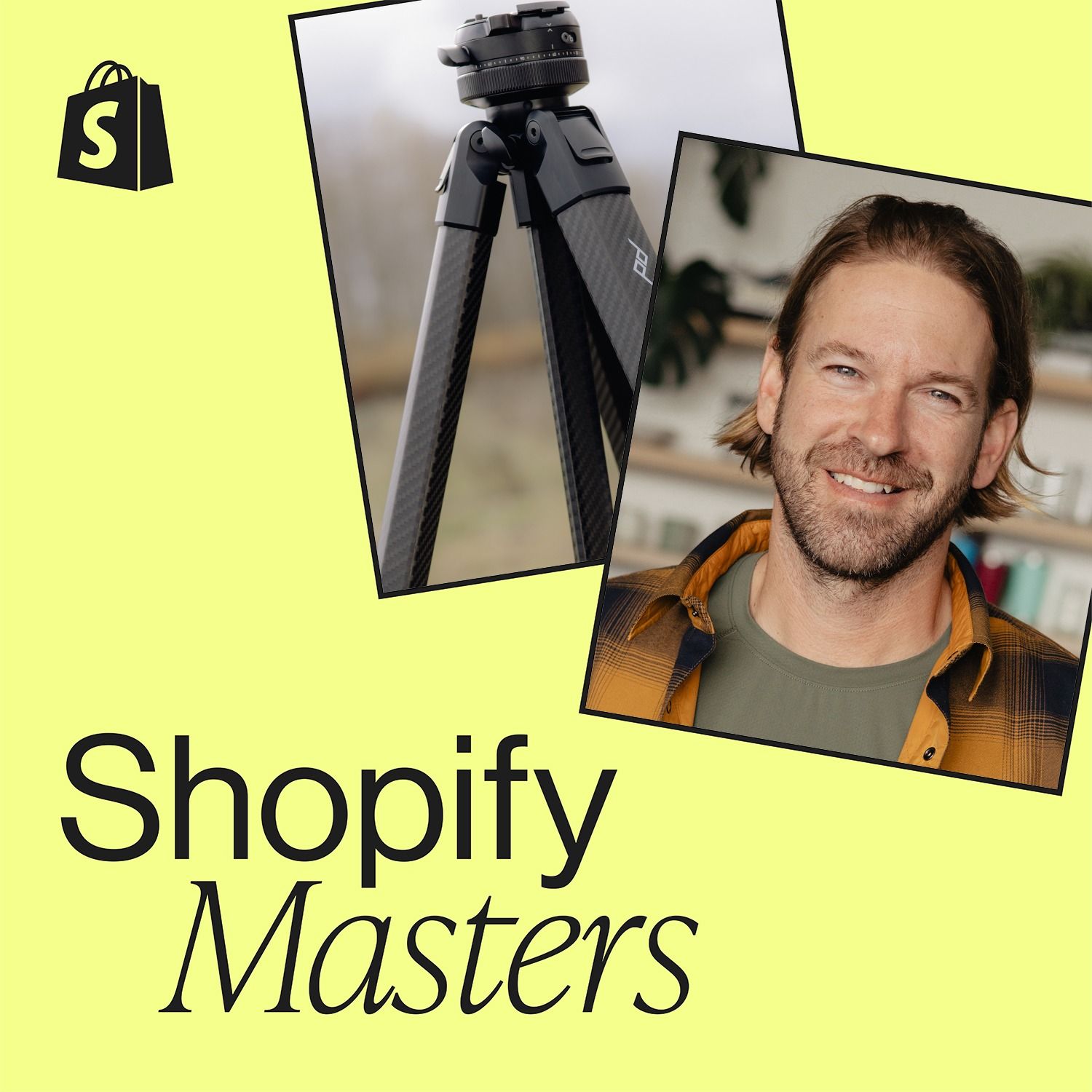
Founder Peter Daring deliberately avoids outside investors to protect Peak Design's core mission: for employees to live "happy and meaningful lives." This employee-forward culture is prioritized over the growth-at-all-costs pressure that comes with external capital, shaping every business decision.
Beyond salary, many founders use the business to cover personal expenses, effectively increasing their compensation. Founders reported expensing 50% of their rent, Wi-Fi, and gym memberships, while others leverage business credit card points for thousands in monthly cash back—value not reflected on pay stubs.

For sole owner Peter Daring, the purpose of profit isn't endless expansion but creating a buffer for stability and peace of mind. After meeting his personal financial needs, he prioritizes running a sustainable business where he and his team can feel secure, rather than chasing maximum returns for external stakeholders.
In the creator economy, success isn't always defined by venture-backed growth. Many top creators intentionally cap their audience size and reject outside investment to maintain full control over their business and content, defining success as a sustainable, manageable enterprise rather than a unicorn.
