Get your free personalized podcast brief
We scan new podcasts and send you the top 5 insights daily.
Substack offers a powerful platform for writers to build a direct audience and revenue stream through subscriptions. It's an ideal alternative for creators who excel at writing over video, allowing them to directly monetize their skills and build a recurring revenue business.

Related Insights
A16Z invested in Substack believing that providing writers with a monetization tool would unlock a new supply of high-quality content. This new supply would, in turn, create its own demand, rather than competing in the existing market for free content.
Ad-supported models (AVOD) create a complex system with creators, audiences, platforms, and advertisers, where someone is always losing. Subscription models (SVOD) simplify the business into a direct creator-to-audience relationship, making it more stable and sustainable.

A16Z's Substack investment was a bet on a 'supply-driven market.' By providing a monetization mechanism for writers, the platform brought new, high-quality content into existence that previously couldn't exist, which in turn created new consumer demand that wasn't visible before.

Substack is more of a social network with email features than a robust email service provider (ESP). The optimal strategy is to leverage its discovery features, like Notes, to acquire subscribers, then regularly export those emails to a primary ESP where you fully control the audience relationship.
Medium is no longer competing for professional content creators building media businesses. Instead, its CEO states the platform is focused on being the best place for "real people"—practitioners and individuals—to share valuable life and work lessons without the pressure of becoming a full-time writer.
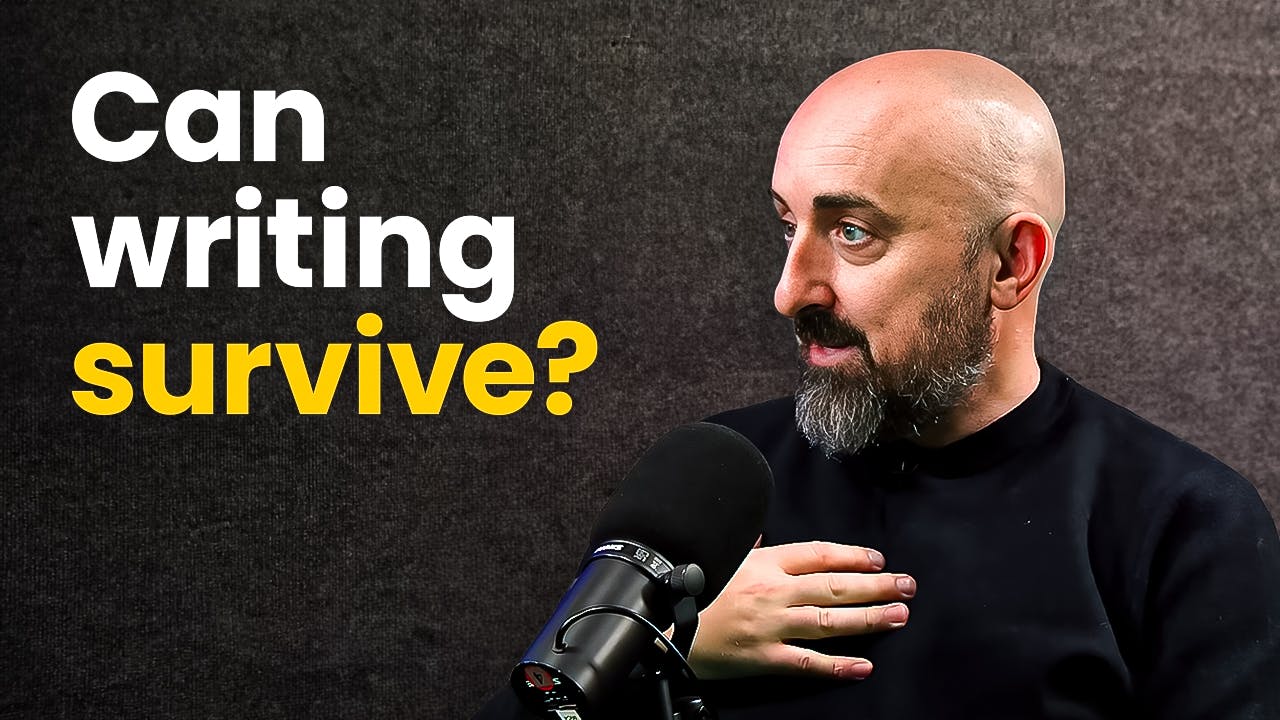
Many creators assume sponsorships are the ideal business model, but they are inefficient and hard to manage. A better model focuses on direct audience monetization—selling your own products or services—which offers higher margins and greater control.
To attract top freelance talent, Escape Collective is testing a model that can pay more than Substack. They offer writers a base rate plus a share of the subscription revenue directly generated from their articles, aligning incentives and rewarding high-performing content.

X doesn't need writers to abandon platforms like Substack. The high-profile contest incentivizes them to cross-post their best free content to X. This strategy enriches X's platform with high-quality, long-form articles, treating it as a distribution channel that funnels attention back to the writers' primary newsletters.

The media landscape has fundamentally changed. Value is no longer concentrated in institutional brands like the New York Times. Instead, it has shifted to individual, 'non-fungible' writers who can now build their own brands and businesses on platforms like Substack.
To break through the noise of modern influencer marketing, target less-obvious platforms. Instead of competing for attention on Instagram and TikTok, pitch YouTubers and Substack writers who receive fewer inquiries. This approach increases your chances of getting noticed and securing features without a budget.