Get your free personalized podcast brief
We scan new podcasts and send you the top 5 insights daily.
To de-risk international expansion, the team tested their provocative brand name against safer alternatives using parallel websites and Facebook ads. They found purchase intent was similar, validating that the virality of the original name was a key asset worth the perceived risk.

Related Insights
Before committing to expensive TV ad production, Gab created multiple concepts and tested them using surveys sent to their target demographic. By asking questions about purchase intent after viewing a concept, they used data to select the most promising ideas, increasing the likelihood of success.

Instead of relying on internal intuition, baby care brand Coterie validated its expansion into skincare by directly surveying its D2C customer base. An overwhelming 8 out of 10 existing customers stated they would purchase the new product, effectively de-risking the launch before development.
Instead of building a coffee shop, the founders tested their 'one-item menu' concept by creating a TikTok video and design mockups. The posts generated millions of impressions, confirming massive market interest and de-risking the venture before any significant capital was spent.

A polar travel company debated using the word "cruise"—great for SEO but disliked by its target audience. The advice was to A/B test ad campaigns with different names (e.g., "cruises" vs. "expeditions") to get data on what resonates, resolving the internal debate.

StackBlitz launched its pivotal product, Bolt.new, under a new brand because it was a final experiment before potentially shutting down. This strategy protects the core company's brand equity in case the experiment fails and gives the new product a distinct identity to attract a different user base.
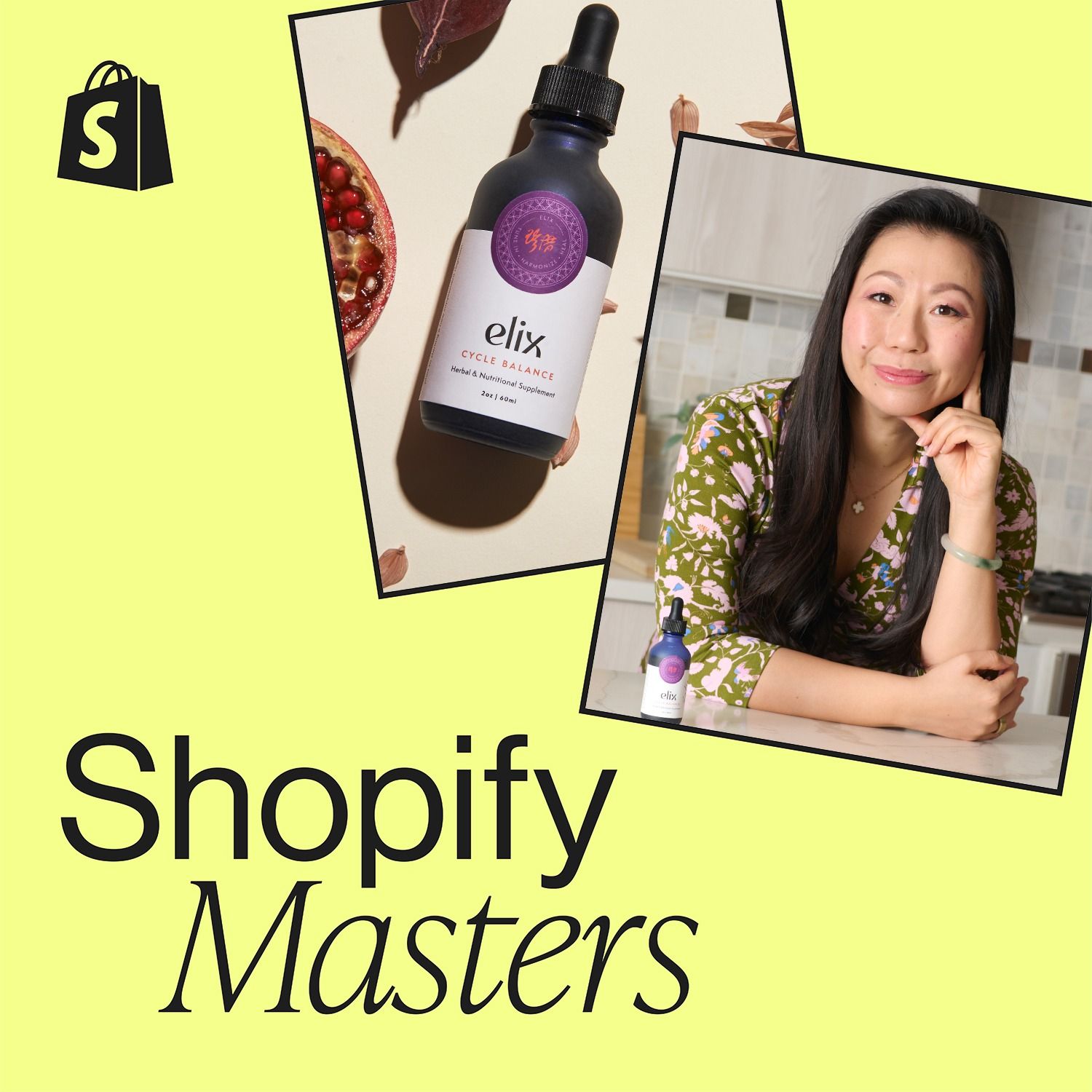
Elix founder Lulu Ge launched a beta test called "#periodpainfree" with basic packaging. This allowed her to gauge real-world demand from strangers online before committing resources to a full brand launch, proving the concept's viability cheaply and effectively.
Lemlist used paid ads to enter the German market and quickly learned their standard messaging failed due to cultural differences around cold emailing. This allowed them to pivot their positioning, proving ads are a powerful tool for fast market validation and de-risking expansion.

The viral 'Dead Duo' campaign originated from a product team's A/B test of new app icons. When both icons performed equally, marketing was given seven days to build a campaign around the 'dead eyes' version. This demonstrates extreme agility and opportunistic collaboration between product and marketing.

To de-risk their unconventional idea, Liquid Death created a fake ad and a Facebook page to test market reception. They secured millions of views and 80,000 followers, proving demand and generating traction that was crucial for raising capital, turning a concept into an investable business.

Instead of traditional, costly focus groups, founders can leverage Large Language Models (LLMs) to conduct "synthetic research." These tools can simulate consumer reactions to brand names, providing rapid, low-cost feedback to guide decision-making.