Get your free personalized podcast brief
We scan new podcasts and send you the top 5 insights daily.
Norway's youth sports program, which forbids keeping score until age 13, fosters a love for sport over a win-at-all-costs mentality. This "invisible hand of joy" approach results in less burnout and more long-term success, a model applicable to corporate training and employee development.

Related Insights
To raise children who thrive outside "the system," parents must shift from preventing failure to encouraging resilience. This means getting kids comfortable with losing through competition, de-emphasizing grades, and prioritizing work ethic and real-world experience over trophies.

Many are motivated by outcomes: money, status, possessions. This leads to burnout and insecurity. The key to longevity is being intrinsically motivated by the process and challenges of business itself. When you love the game more than its rewards, you become immune to fear of failure.
Many chase the fruits of success (money, status) but burn out because they don't enjoy the daily grind. True winners love the process itself, the 'dirt.' The desire for the outcome alone is a vulnerability that leads to giving up.
For Nike's innovators, the ultimate measure of success isn't market performance but the user's genuine joy upon experiencing the product. This "athlete's smile" confirms that a meaningful problem has been solved, serving as a leading indicator that commercial success will naturally follow.

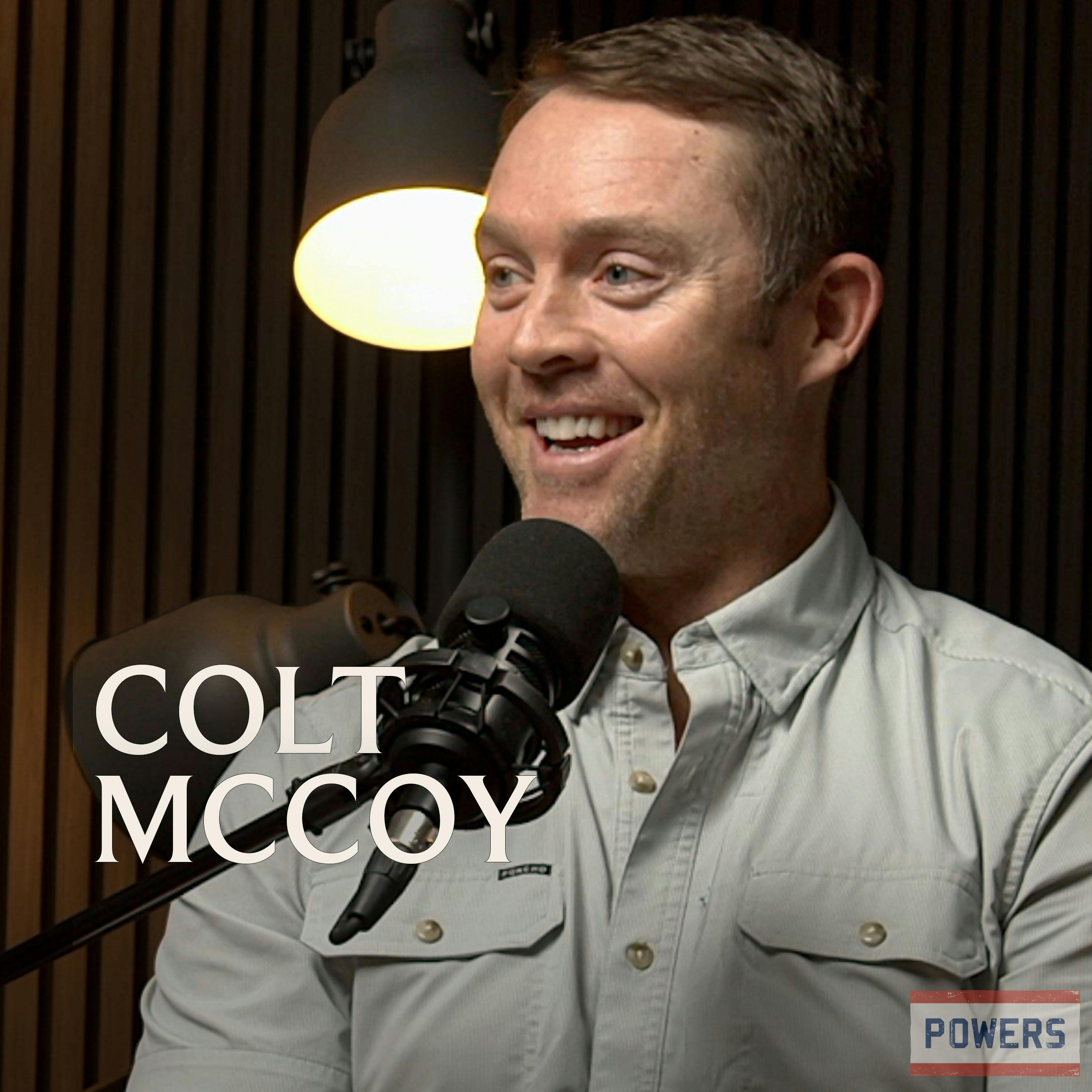
By not playing organized tackle football until 7th grade, Colt McCoy's anticipation and excitement for his first game were immense. This delay prevented the burnout common among children who start specialized sports early, making the experience more meaningful and cementing his love for the game.
A sports psychologist’s best match was one he lost. He prioritized achieving a higher level of play over the ego-driven scoreboard. This mindset helps leaders learn from setbacks and focus on process improvement rather than just outcomes, fostering resilience and growth.

Kobe Bryant framed his performance not as winning or losing, but as an opportunity to "figure things out." This curiosity-driven mindset relieves pressure, anchors you in the present, and makes it possible to enter a flow state, proving more sustainable than fixating on outcomes.

Type-A individuals tend to turn recreational hobbies into performance-based tasks, creating more stress. Choosing activities with subjective outcomes, like dance or yoga, instead of win/lose games helps focus on the experience rather than mastery.

Burnout stems not from long hours, but from a feeling of stagnation and lack of progress. The most effective way to prevent it is to ensure employees feel like they are 'winning.' This involves putting them in the right roles and creating an environment where they can consistently achieve tangible successes, which fuels motivation far more than work-life balance policies alone.

Supporting a perennially losing sports team builds resilience and a love for the struggle, core traits of an entrepreneur. Deriving self-esteem from a winning team is a crutch, whereas embracing the pain, grind, and hardship of losing builds the character necessary to succeed in business.