Get your free personalized podcast brief
We scan new podcasts and send you the top 5 insights daily.
The Rodriguez siblings, key figures in the Chavista regime, harbor deep-seated animosity toward the West. A former U.S. official believes this stems from their father being tortured to death by a previous government, an event they attribute to imperialist influence.

Related Insights
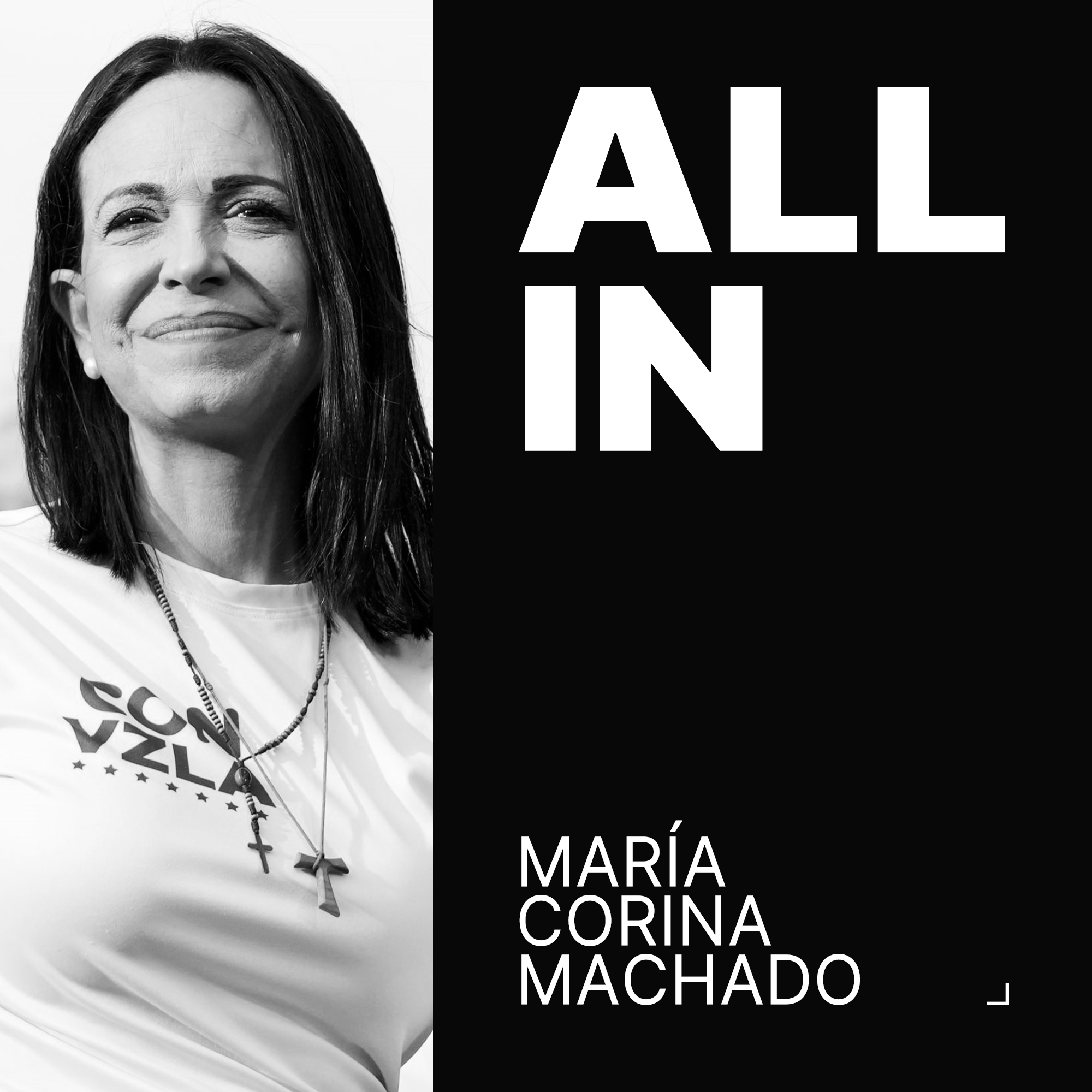
According to Maria Corina Machado, Nicolás Maduro's rise to power was not an internal decision but a direct choice by the Cuban government. Having been trained in Cuba and demonstrating total loyalty to the Castro regime, Maduro was selected to ensure Cuba's continued influence and control over Venezuela.
Once a destination for American economic opportunity, Venezuela's economy imploded after nationalizing its top industry and imposing widespread price controls. This recent, dramatic collapse serves as a powerful, real-world example of how such policies can lead to ruin, yet they remain popular.
The Trump administration is depicted as ignoring Venezuela's legitimately elected opposition leader and instead choosing to work with the former vice president. This suggests a strategy prioritizing controllable stability with a regime figure over supporting a democratically elected but potentially less predictable leader.
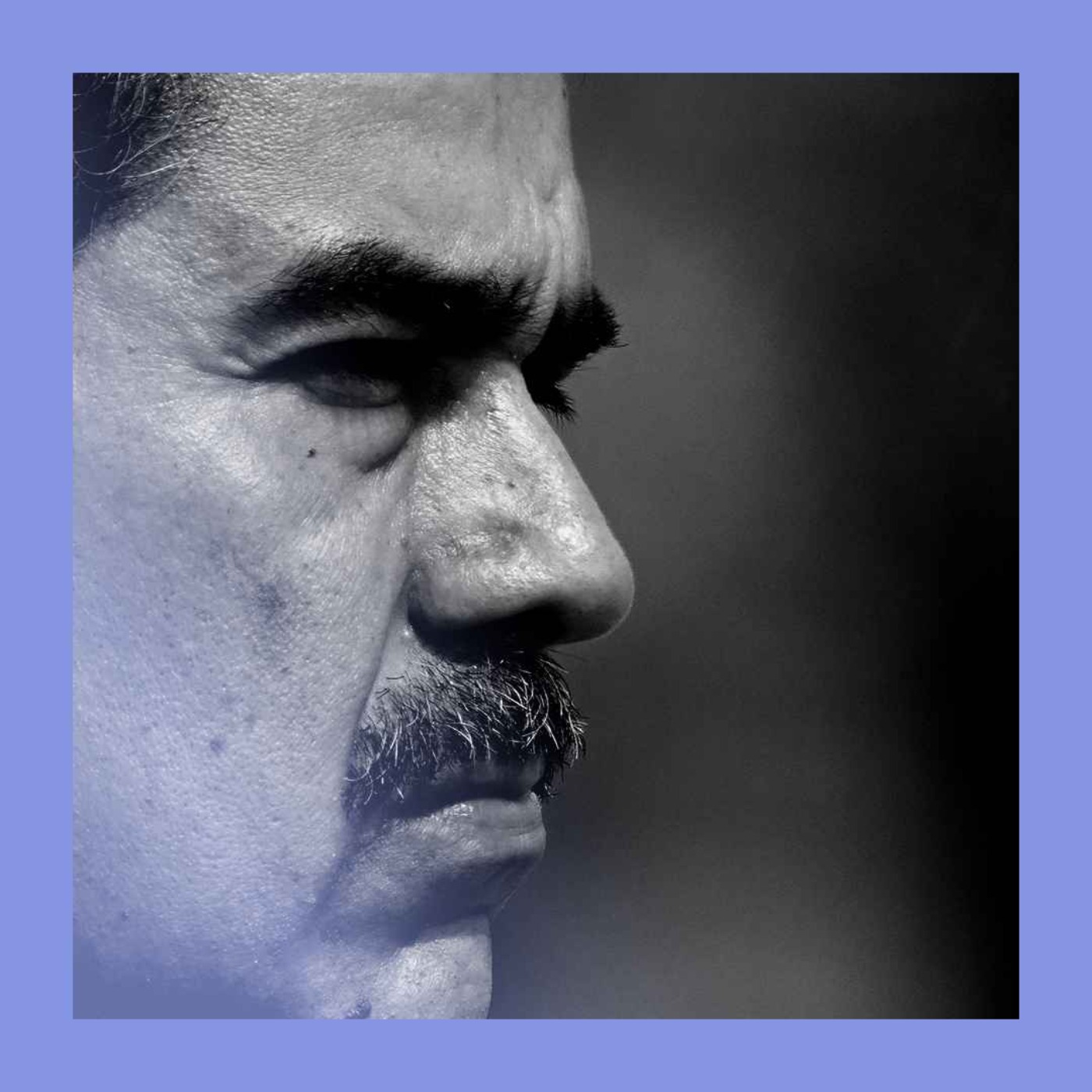
Authoritarian leaders like Hugo Chavez systematically dismantle democracy from within after winning elections. They replace competent individuals in the military and government with those who are absolutely loyal, destroying meritocracy to ensure the state apparatus serves the regime, not the people.
Despite the public focus on oil, the primary goal of removing Maduro was likely to demonstrate U.S. primacy in the Western Hemisphere. The action serves as a strong signal that the U.S. is willing to act aggressively to enforce its influence in the region.

The U.S. strategy appears to be maintaining a weakened Chavista regime to ensure stability and access to oil, effectively turning Venezuela into a resource colony without genuine political change for its people.
To crush popular dissent after losing an election, the Maduro regime escalated to what international bodies label "state terrorism." This included imprisoning not just activists but also their family members and even citizens who merely posted a supportive picture online, aiming to terrify the entire population into silence.
The conflict is not primarily about oil or drugs, but a strategic move to reassert U.S. dominance in the Western Hemisphere. As China solidifies its influence in the East, the U.S. is 'drawing a line' to counter China's partnerships (like with Venezuela) in its own sphere of influence.
The US action to remove Maduro was not a traditional regime change. The goal was to eliminate the leader personally while leaving his party and government apparatus largely intact, suggesting a strategic choice to avoid the instability of a full power vacuum.
Interim President Delcy Rodriguez's authority stems from her unique ability to engage with international actors like the U.S., a skill her powerful military rivals lack. This makes her both indispensable and vulnerable within the regime.