Get your free personalized podcast brief
We scan new podcasts and send you the top 5 insights daily.
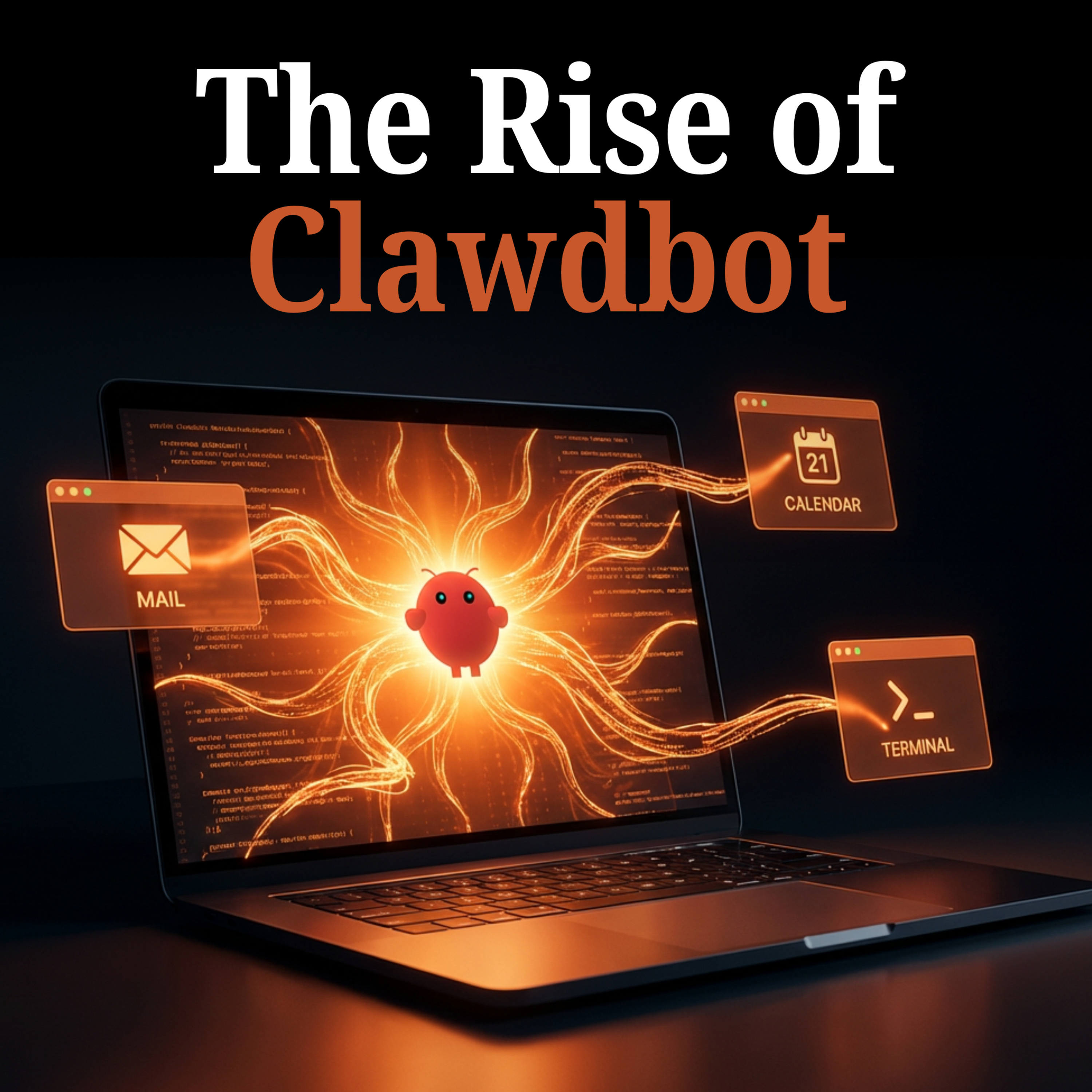
By connecting to APIs for platforms like Shopify, AI agents like Clawdbot can automate complex, manual workflows such as inventory, ordering, and employee scheduling for non-tech small businesses, saving significant time and money.
Related Insights
AI enables "software does labor" business models in industries previously deemed too small for specialized software, like dental offices or trial law. By replacing or augmenting specific labor tasks, startups can justify high-value contracts in markets that historically wouldn't pay for traditional SaaS tools.

Platforms like Nebula allow founders to move beyond simple automation. By providing a high-level directive and connecting services, AI agents can run entire business functions, like a content blog that researches, writes, and publishes daily with minimal human intervention.

The new generation of AI automates workflows, acting as "teammates" for employees. This creates entirely new, greenfield markets focused on productivity gains for every individual, representing a TAM potentially 10x larger than the previous SaaS era, which focused on replacing existing systems of record.

The primary benefit of AI sales automation for small businesses isn't just increased efficiency or revenue. It's about handling the relentless sales tasks that consume owners' lives, allowing them to focus on their core service and reclaim personal time away from the business.

Unlike tools like Zapier where users manually construct logic, advanced AI agent platforms allow users to simply state their goal in natural language. The agent then autonomously determines the steps, writes necessary code, and executes the task, abstracting away the workflow.
Unlike SaaS which sells to limited software budgets (e.g., 1% of revenue), vertical AI agents automate core business functions. This allows them to tap into much larger operational and labor budgets. Companies can capture 4-10% of a customer's total spend by replacing expensive human-led tasks like customer support.
Ladder built custom AI tools to handle operational tasks at scale. "Maeve AI" manages 90% of support tickets, while "Ladder Pulse" synthesizes group chats for coaches. This strategy uses AI for leverage, allowing a small team to deliver a high-touch experience without a large headcount.
![Tom Digan & Greg Stewart - Building the World’s Best Fitness App - [Invest Like the Best, EP.454] thumbnail](https://megaphone.imgix.net/podcasts/8459013c-f00c-11f0-ac98-fbad2fe189ee/image/d99352e9439af266dbb87c1efac1299f.jpg?ixlib=rails-4.3.1&max-w=3000&max-h=3000&fit=crop&auto=format,compress)
Clawdbot can autonomously identify market trends (like X's new article feature), propose new product features, and even write the code for them, acting more like a chief of staff than a simple task-doer.
Visual AI tools like Agent Builder empower non-technical teams (e.g., support, sales) to build, modify, and instantly publish agent workflows. This removes the dependency on engineering for deployment, allowing business teams to iterate on AI logic and customer-facing interactions much faster.
The paradigm shift with AI agents is from "tools to click buttons in" (like CRMs) to autonomous systems that work for you in the background. This is a new form of productivity, akin to delegating tasks to a team member rather than just using a better tool yourself.