Get your free personalized podcast brief
We scan new podcasts and send you the top 5 insights daily.
Facing extreme hostility, Booker T. Washington taught former slaves to make superior bricks. They became so proficient that they created an exportable product, forcing the hostile surrounding economy to trade with them. This is a model for gaining power and self-reliance through undeniable economic contribution, not aid.

Related Insights
Spending years building a business for someone else (even a parent) while being undercompensated is a powerful training ground. It forces a level of conviction, humility, and delayed gratification that can lead to explosive growth once you start your own venture.

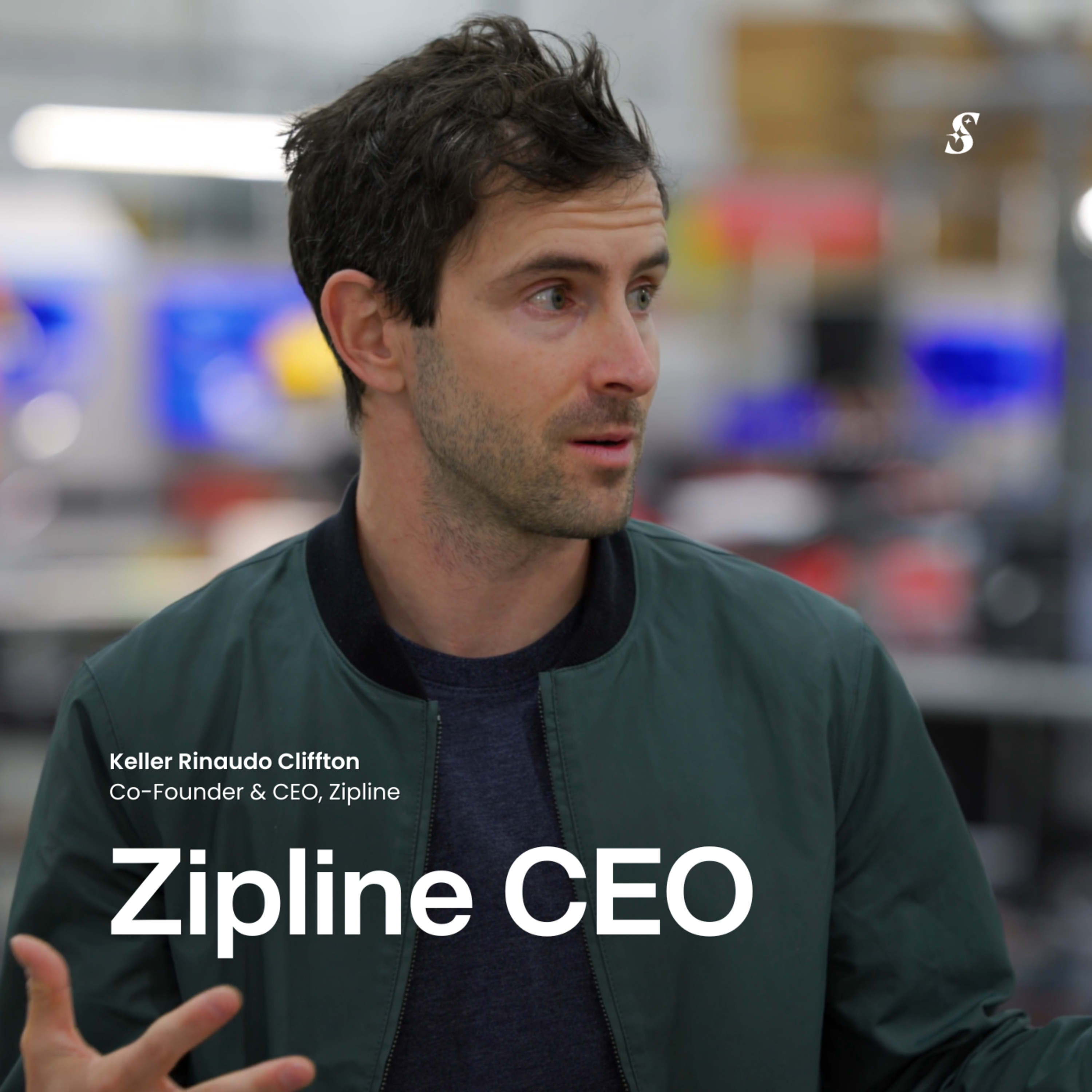
The traditional foreign aid model creates dependency. Zipline's success in Africa shows that developing countries are eager to be commercial partners, investing their own capital to purchase advanced technology like AI and robotics. This "trade, not aid" approach builds their economies and creates stronger alliances.
Unlike Cuba, which blamed US embargoes for its collapse, Singapore, after being expelled from Malaysia, focused inward. Its leader enforced a vision for a robust, market-based economy, turning a marsh into a global financial powerhouse. This shows how isolation, when met with internal resolve, can be a catalyst for immense strength.
The fact that slavery abolition was a highly contingent event demonstrates that moral progress isn't automatic. This shouldn't be seen as depressing, but empowering. It proves that positive change is the direct result of deliberate human choices and collective action, not a passive trend. The world improves only because people actively work to make it better.
When Jeff Braverman proposed a new, labor-intensive packaging service, his father and uncle refused due to the effort required. To overcome their resistance, he not only showed them the math proving its profitability but also took on the manual labor himself. This demonstrated his commitment and proved the concept's viability through his own actions.

The default path to prosperity provided by a societal framework is broken due to systemic economic issues. However, individuals can still thrive by focusing on developing high-utility skills, creating their own path to success.

The successful anti-slavery movement in Britain was founded primarily by entrepreneurs who applied their skills in scaling companies and operations to a moral cause. This historical example shows that business acumen is a powerful, and perhaps essential, tool for large-scale social change.

Authoritarian power hinges on 'control over life chances'—dictating access to jobs, housing, and education. A robust private sector creates alternative paths for citizens, diminishing the state's leverage. Fostering private enterprise is therefore a subtle but effective tool for eroding an autocrat's grip on society.

Carter G. Woodson, founder of Black History Month, was a savvy entrepreneur. He established a journal and a publishing house for Black authors, then used the profits from these educational products to self-fund and promote "Negro History Week," demonstrating a self-sustaining model for social change.

Actively Black created a powerful brand narrative by building a 'Black owned supply chain,' using cotton from Black farmers for a 'Made in America' collection. This story of economic reclamation resonated so strongly with customers that it became a top-selling product line, proving a meaningful supply chain can be a brand's most compelling feature.
