Get your free personalized podcast brief
We scan new podcasts and send you the top 5 insights daily.
Carter G. Woodson, founder of Black History Month, was a savvy entrepreneur. He established a journal and a publishing house for Black authors, then used the profits from these educational products to self-fund and promote "Negro History Week," demonstrating a self-sustaining model for social change.

Related Insights
While public support is vital, movements don't just happen. They require specific individuals who act as catalysts. The British abolitionist movement, for example, is inseparable from Thomas Clarkson, who was the first person to envision a national public campaign and dedicate his life to it, turning a latent issue into a powerful political force.
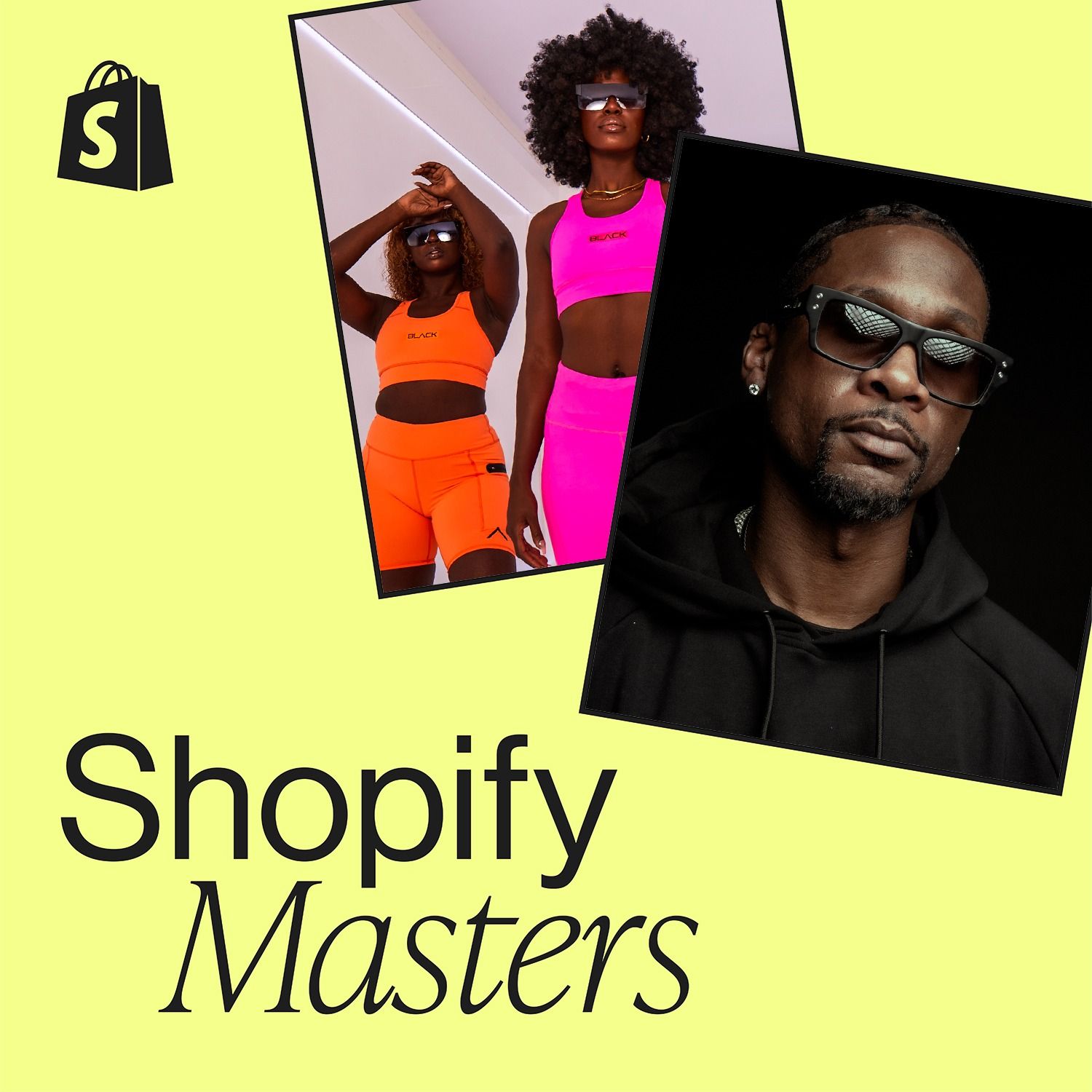
Lanny Smith was initially uncomfortable being the public face of Actively Black. He found, however, that sharing his personal story and motivations created a deeper customer connection than any marketing campaign could, making his authentic narrative the brand's most powerful growth tool.
Contrary to popular belief and media portrayals of young tech founders, millennials are the generation least likely to start businesses. The fastest-growing demographic of American entrepreneurs is actually female minorities, such as Black and Latina women, who often build successful ventures without venture capital or mainstream recognition.

The media brand's focus evolved in lockstep with its founder's life. After running for mayor of San Francisco, Stuart Shuffman's increased political awareness transformed the publication from a simple 'cheap living' guide into a platform for local news and activism, showing how a founder's personal journey can redefine their brand.

Instead of just reshoring manufacturing, Actively Black partnered with Black-owned cotton farms, transforming a logistical decision into a powerful brand narrative of "reclamation." This turned a product collection into one of their best-sellers, proving that supply chain choices can be a potent marketing tool.
The successful anti-slavery movement in Britain was founded primarily by entrepreneurs who applied their skills in scaling companies and operations to a moral cause. This historical example shows that business acumen is a powerful, and perhaps essential, tool for large-scale social change.

Brands targeting diaspora communities can unlock new growth by expanding their mission beyond selling physical goods. By positioning themselves as a source of knowledge on history, culture, and religion, they can create and monetize digital content and other offerings that serve a deeper community need for connection.

Despite being a top voice in his niche, Eric Coffey was denied speaking slots at industry events, which he found were often pay-to-play. He circumvented these gatekeepers by launching his own conference, creating a platform for himself and other successful minority contractors who were also being excluded.
Actively Black created a powerful brand narrative by building a 'Black owned supply chain,' using cotton from Black farmers for a 'Made in America' collection. This story of economic reclamation resonated so strongly with customers that it became a top-selling product line, proving a meaningful supply chain can be a brand's most compelling feature.

From Benjamin Franklin's revolutionary press to modern anti-racist and LGBTQ+ shops, bookstores have long served as powerful agents shaping culture and identity. These spaces often prioritize a mission—be it abolition, gay rights, or community organizing—over pure profit, acting as centers for political change.