Get your free personalized podcast brief
We scan new podcasts and send you the top 5 insights daily.
Instead of relying solely on internal data, Glamnetic actively mines its dedicated Facebook community for product development insights. The group provides a constant stream of qualitative feedback and trend suggestions, acting as an incubation hub for new collections and validating market demand.

Related Insights
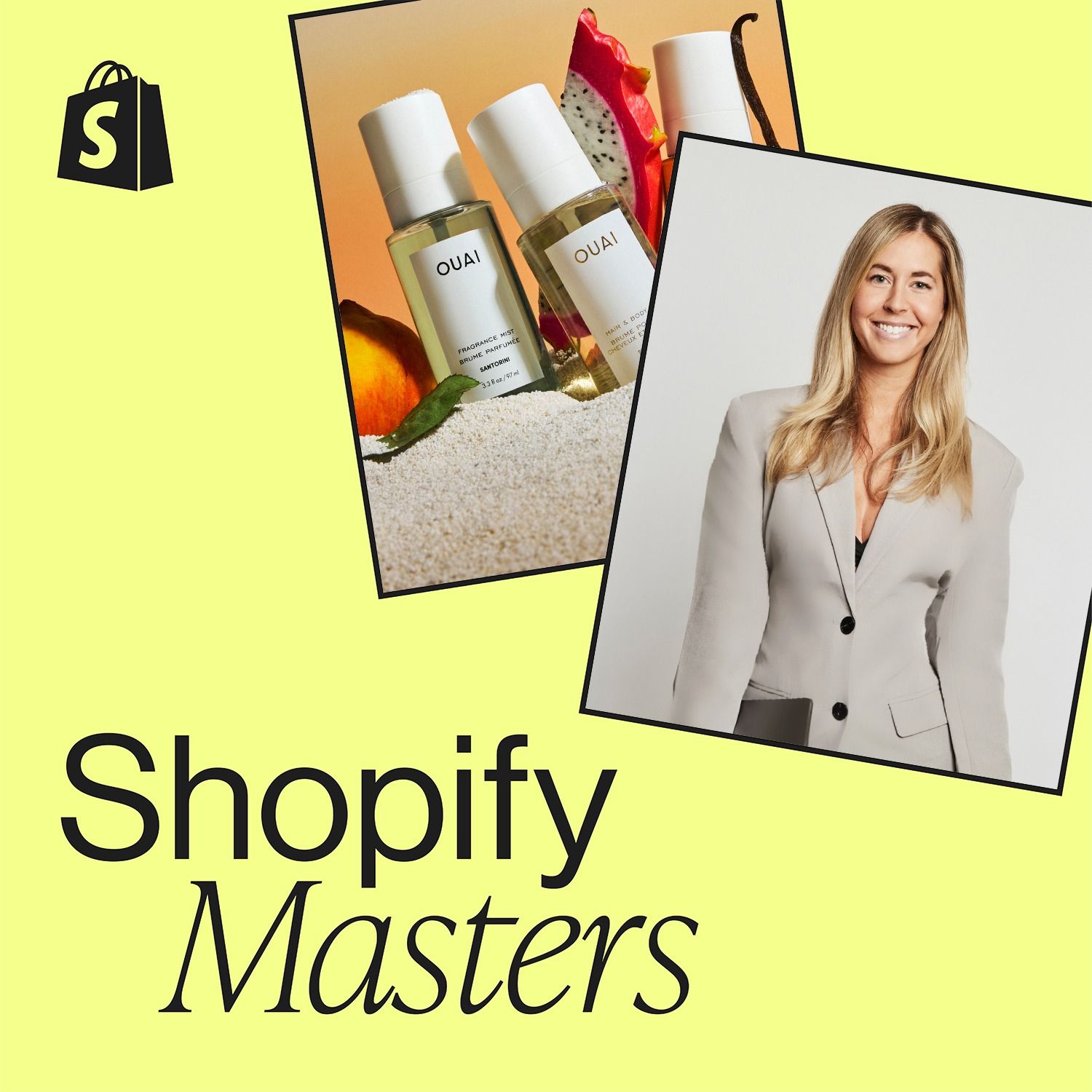
Way's top-selling product was developed and marketed entirely by leveraging community feedback. They used humorous, user-generated scent descriptions from the comments section (e.g., "smells like you got upgraded to the pineapple suite") as their official ad copy, proving the power of crowdsourced marketing.
The most valuable consumer insights are not in analytics dashboards, but in the raw, qualitative feedback within social media comments. Winning brands invest in teams whose sole job is to read and interpret this chatter, providing a competitive advantage that quantitative data alone cannot deliver.

Rather than guessing what customers want, Pistakio launched its date bark after noticing many social media posts where users combined their spread with dates. This community-driven R&D ensures new products launch with pre-existing demand.
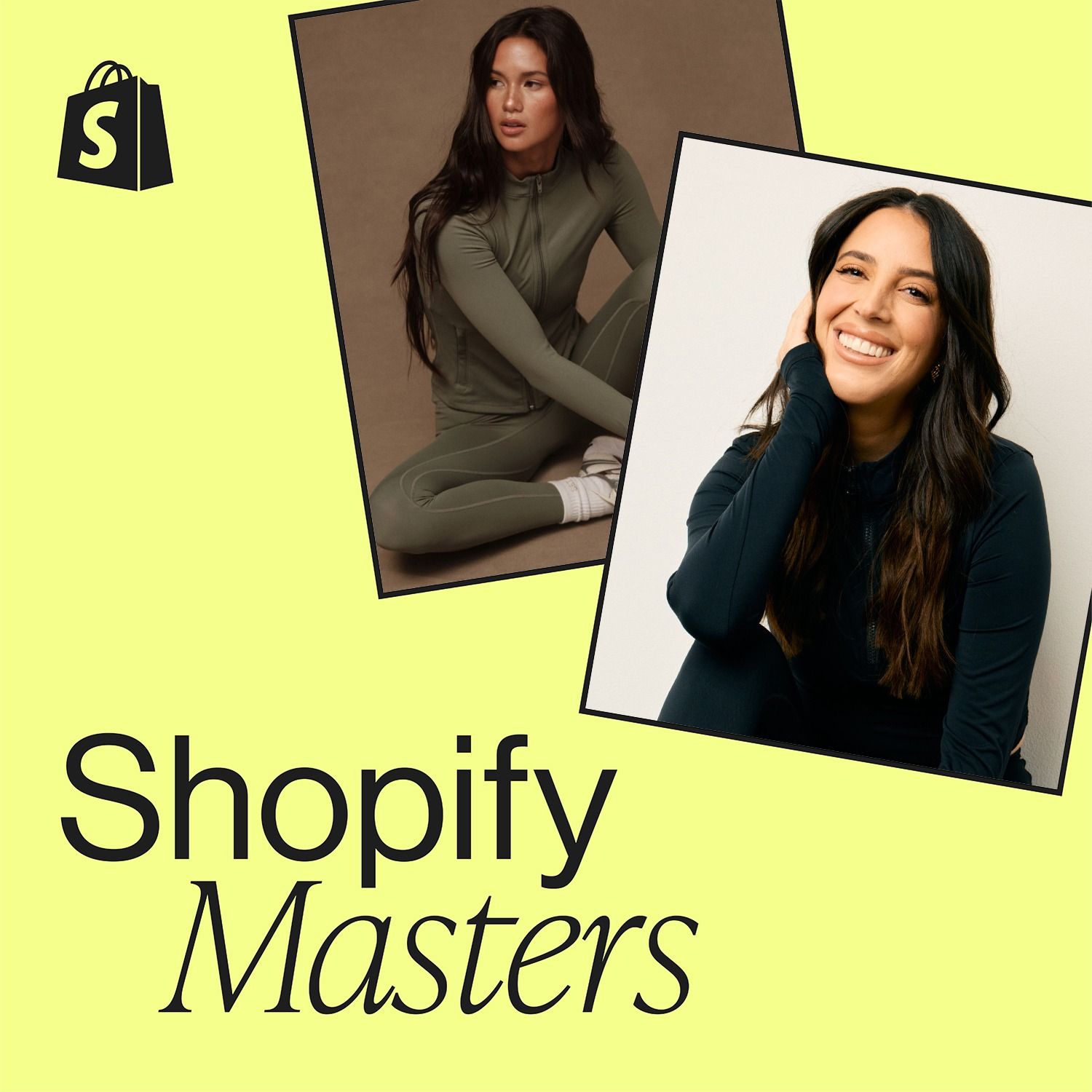
Instead of just gathering feedback, Set Active actively involves its community in creating two major collections per year, letting customers vote on colors, styles, and designs. This transforms them from passive consumers into active stakeholders, ensuring the product resonates and generates guaranteed excitement and sales upon launch.
Instead of paying for traditional focus groups, early-stage founders can post product ideas, like packaging designs, on social media. This provides an instantaneous and free feedback loop directly from potential customers, enabling rapid, data-informed iteration before committing to costly production.
CEO Tarang Amin joins TikTok Live sessions where customers directly demand new products. This real-time feedback validates demand instantly and creates urgency, allowing e.l.f. to slash development timelines. For one product, they cut the cycle from a planned 18 months to just six in direct response to community pressure.

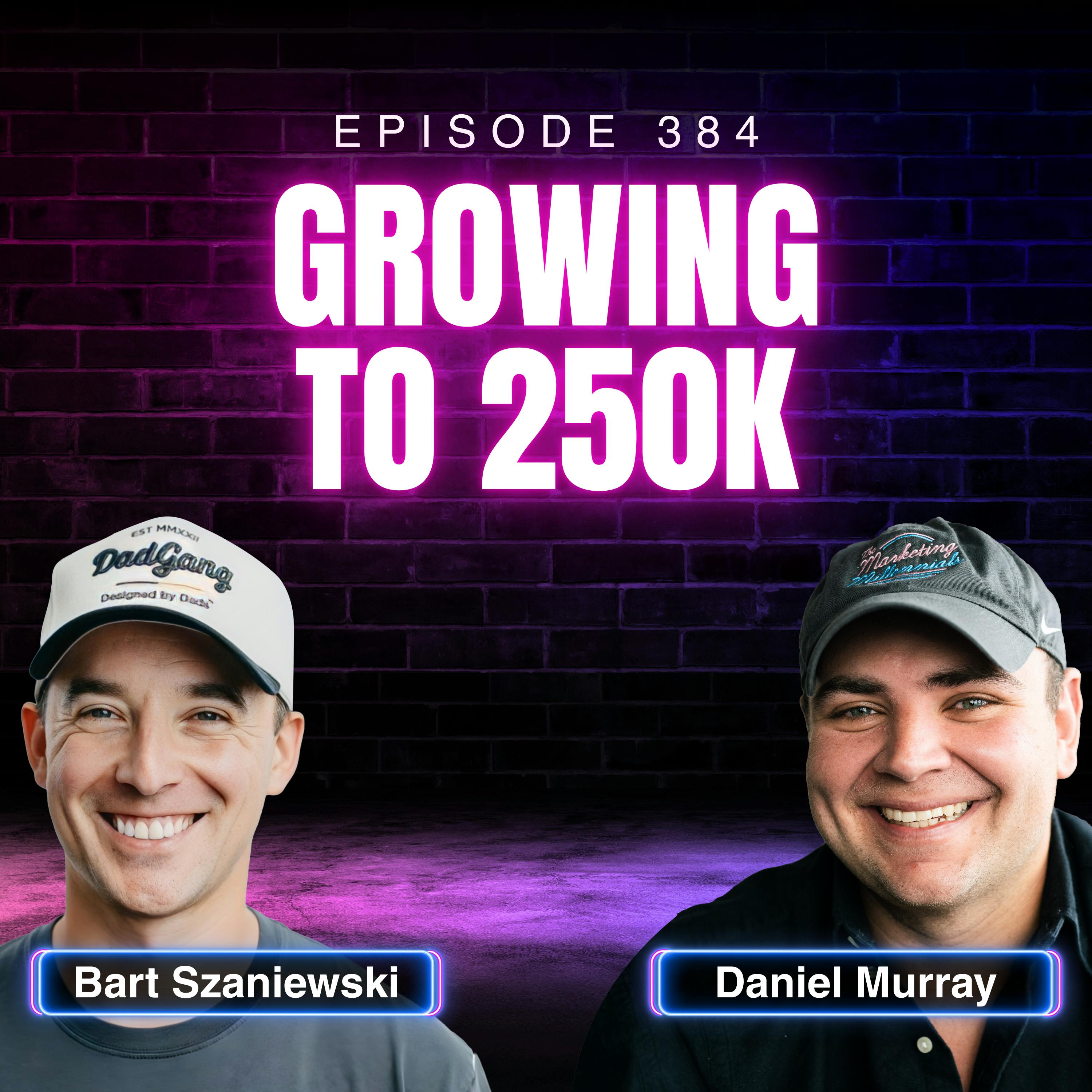
Dad Gang uses its 11,000-person private Facebook group to bypass social media algorithms. The group acts as a direct line to engaged customers for gathering feedback on new hat designs, fostering co-ownership, and granting exclusive early access to launches, ensuring new products are validated before release.
Stop thinking of content as a one-way broadcast. A sophisticated approach involves creating posts designed to provoke responses. Then, systematically mine the comments for raw, unfiltered consumer insights, effectively turning your social channels into a free, real-time market research platform.
Hedley & Bennett founder Ellen Bennett, a line cook herself, used top chefs as a real-time focus group. By asking her target audience directly what was wrong with existing products and what they needed, she gathered all the building blocks to create a superior product without formal R&D.
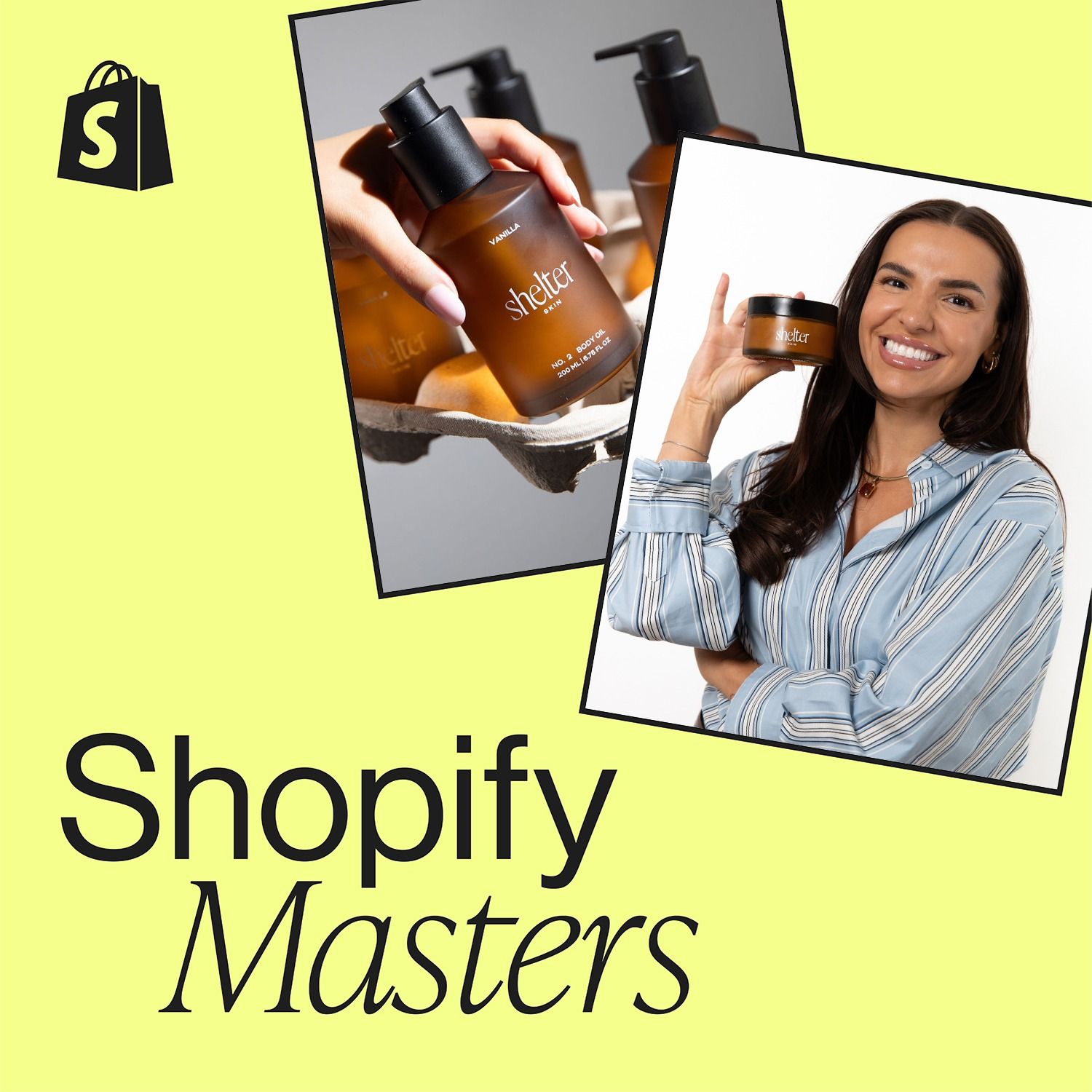
Shelter Skin's founder uses her personal Instagram following as a real-time focus group. By posting polls about packaging and product details, she gets immediate data from her ideal customers, eliminating the cost and time of traditional market research and fostering community co-creation.