Get your free personalized podcast brief
We scan new podcasts and send you the top 5 insights daily.
Services like Paramount rely heavily on third-party "channel stores" like Amazon for subscribers, ceding customer ownership and app usage. To become a top-tier player like Netflix or Disney, the new entity may need to pull off these platforms, forcing a strategic choice: go it alone with massive marketing costs or remain dependent on aggregators.
Related Insights
The core challenge for Paramount is not just content or technology, but breaking into a user's daily routine like Netflix. Services like HBO Max are used episodically—viewers tune in for a specific show then leave. Achieving "daily use" status, where users open the app just to be entertained, is the ultimate goal and a monumental hurdle.
The bidding war isn't between equals. Paramount, a smaller and weaker legacy media company, sees the acquisition as a necessity for future relevance. For the much stronger Netflix, it's an opportunistic play to cement its market leadership.

The media industry is strategically torn. Netflix's pursuit of both the premium Warner Bros. library and cheap podcasts shows it's hedging its bets. It's unclear if the winning model is a high-cost service that stands out from AI-generated "slop," or a low-cost, high-volume model to compete with user-generated platforms.

Unlike YouTube's central role at Google, Twitch functions as an 'orphaned asset' within Amazon. It is rarely integrated into Amazon's major media deals (like NBA rights) and a large portion of its subscription revenue may come from existing Amazon Prime members, not net new cash. This perceived lack of strategic importance and direct financial contribution likely explains its underinvestment from the parent company.

A critical, overlooked risk is the plan to move all streaming operations to Oracle Cloud, a platform without a track record in handling large-scale video like competitors AWS and Google Cloud. This technology migration is a massive bet that could either become a catastrophic failure or a major showcase for Oracle's capabilities.
Despite acquiring MGM for $8 billion, Amazon licensed the entire James Bond franchise to its rival, Netflix. This strategic move demonstrates that even for owners of premier IP, the distribution power and global reach of a dominant platform can be more valuable than maintaining exclusivity, suggesting a key strategy for content owners.

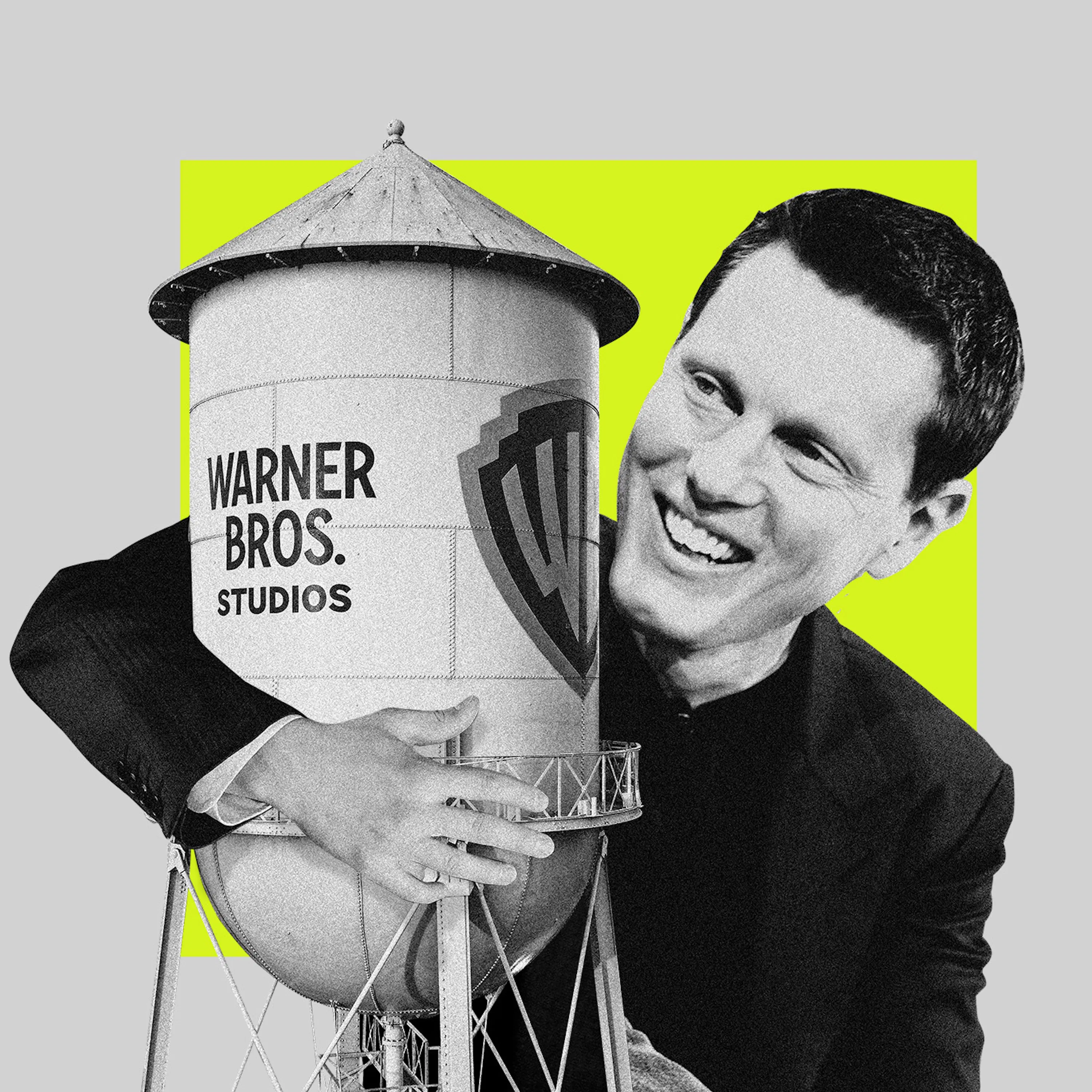
The intense bidding war for Warner Bros. Discovery is driven by unique strategic goals. Paramount seeks subscriber scale for survival, Netflix wants premium IP and sports rights, and Comcast primarily needs modern franchises like Harry Potter to fuel its profitable theme park business.

Instead of a costly acquisition like Warner Bros. Discovery, a streamer like Netflix could achieve similar goals—acquiring IP, back catalogs, and cultural relevance—more efficiently. Investing that capital to exclusively sign the top 100 creators is a more agile, high-return strategy.

Media companies have been "double-dipping" by selling content to cable distributors for linear channels while also charging consumers for the same content on a separate streaming service. Distributors are now forcing them to bundle the streaming offering for free with cable subscriptions, eroding a key revenue stream.

The turmoil from legacy media consolidation, like the Paramount-WBD deal, weakens the entire creative ecosystem. This chaos benefits well-capitalized Big Tech firms (Amazon, Apple, Netflix), allowing them to acquire talent and assets cheaply and ultimately 'inherit the empire'.
