Get your free personalized podcast brief
We scan new podcasts and send you the top 5 insights daily.
A critical, overlooked risk is the plan to move all streaming operations to Oracle Cloud, a platform without a track record in handling large-scale video like competitors AWS and Google Cloud. This technology migration is a massive bet that could either become a catastrophic failure or a major showcase for Oracle's capabilities.
Related Insights
While Paramount's proposed merger with Warner Bros. targets $6 billion in synergies, the aggressive cost-cutting required poses a significant risk of destroying the creative cultures and core businesses of both entities. The focus on financial engineering may overlook the operational realities of a creative enterprise.

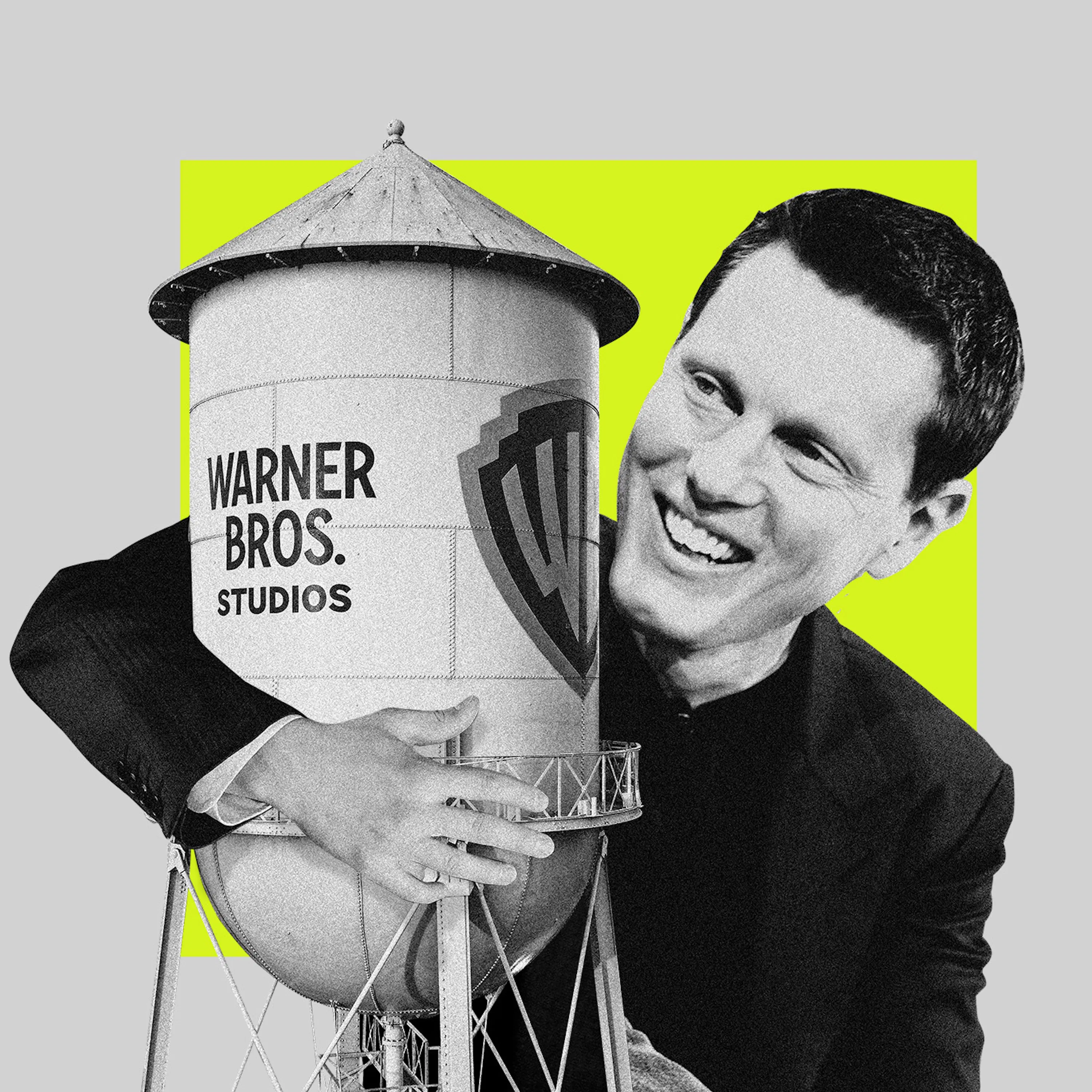
The Ellison family is leveraging its fortune to acquire Warner Bros. as an accelerant, aiming to quickly achieve the scale and content library that took Netflix over a decade to build. They are choosing to buy market position rather than build it, accepting massive debt as the cost of speed.
In the Paramount/Warner bid, Larry Ellison's financial backstop used a revocable trust. This created a major risk for Warner, as the assets could be withdrawn at any time, potentially leaving them without recourse if the deal soured. This highlights a critical due diligence point in high-stakes M&A.

Beyond price, Paramount's offer for Warner Bros. is handicapped by strict covenants limiting WBD's operational flexibility during the potential 18-month closing period. WBD's board fears these restrictions would be costly, making Netflix's more flexible offer more attractive.

Oracle is mitigating the immense capital expenditure of its AI cloud buildout by allowing customers to provide their own hardware. This 'BYOH' model, while still a small part of its business, reassures investors by allowing Oracle to expand capacity without footing the entire bill for expensive GPUs.

It's financially illogical for Oracle billionaire Larry Ellison to trade high-growth AI stock for a decaying media asset. The likely motive isn't a passion for movies but a long-term data play. The goal would be to collect vast amounts of viewer data for other business purposes, similar to big tech platforms.

In its $50B fundraising announcement, Oracle strategically highlighted customers like TikTok, AMD, and xAI—not just OpenAI. This is a calculated move to reassure lenders and investors that its massive data center expansion isn't precariously dependent on a single, massive contract with OpenAI.
Services like Paramount rely heavily on third-party "channel stores" like Amazon for subscribers, ceding customer ownership and app usage. To become a top-tier player like Netflix or Disney, the new entity may need to pull off these platforms, forcing a strategic choice: go it alone with massive marketing costs or remain dependent on aggregators.
Companies like Oracle are facing investor anxiety due to an "AI CapEx hangover." They are spending billions to build data centers, but the significant time lag between this investment and generating revenue is causing concern. This period of high spending and delayed profit creates a risky financial situation for publicly traded cloud providers.
A recurring pattern shows that companies acquiring Warner Bros. (AOL, AT&T, Discovery) ultimately fail, saddled with debt and regret. The Ellison family is betting they can break this historical curse, despite the media industry's massive transformation and the asset's track record of destroying its owners.