Get your free personalized podcast brief
We scan new podcasts and send you the top 5 insights daily.
In a large, globally distributed company, talent can get lost. CBRE's marketing team combats this with an "Emerging Leaders Program" for high-potentials and "communities of practice" that connect people with like skills across business units, fostering learning and connection.

Related Insights
To combat remote work isolation, Atlassian designates one team member per week as the "Chief Vibes Officer" (CVO). This person's job is to inject fun and connection through activities like posting prompts in Slack. This simple ritual builds social bridges, leading to higher trust and better problem-solving.
Instead of promoting the best salesperson or hiring externally, identify potential leaders and put them in a 12-month development program. This builds a bench of prepared leaders, lets some self-select out, and avoids costly hiring mistakes. It requires long-term thinking.
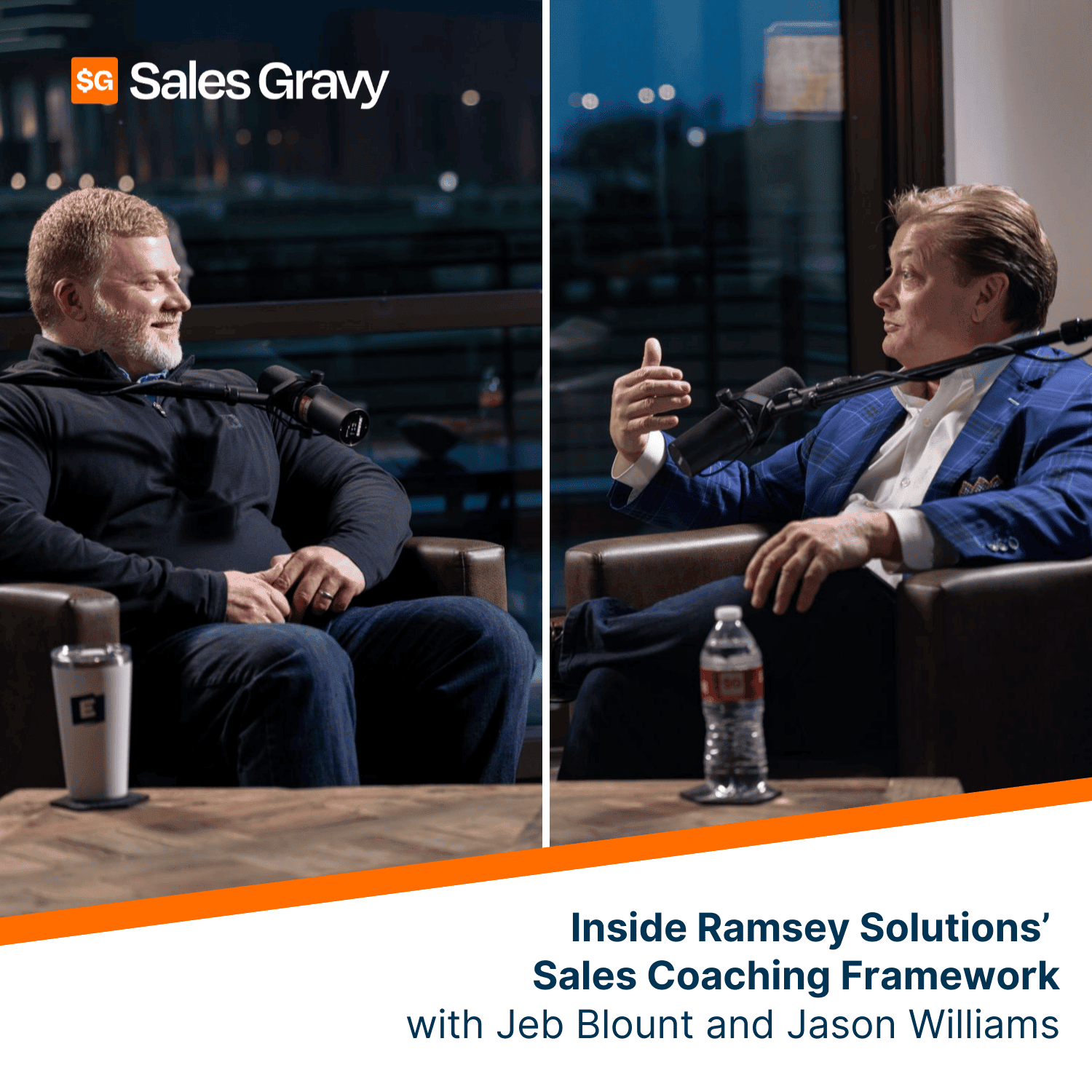
Goldcast's founders actively connected their marketing leader with an experienced CMO and sponsored the engagement. This demonstrates a powerful, tangible investment in professional development that accelerates a leader's growth in navigating executive and board-level challenges.

Frame employee training as an investment, not a cost, because 'growth follows people, not plans.' Train your team beyond the technical aspects of their job to focus on building genuine human connections. This approach transforms a transactional service into a loyal community, turning your staff into powerful growth multipliers.
The shift to remote work unlocked a global talent pool. For specialized roles, the advantage of hiring the best possible person, regardless of location, is far greater than the benefits of in-person collaboration. The leadership challenge shifts from managing location to enabling distributed top-tier talent.
To scale effectively, don't bottleneck knowledge with the CEO. Invest in specialized coaches, consultants, and mastermind groups for your department leaders. This empowers them to solve problems and develop their teams directly, as building the people is what ultimately builds the business.

HubSpot's decision to centralize its AI go-to-market team was a talent strategy, not just an efficiency play. This structure creates an environment where experts can work with other world-class peers and focus on mastering their craft, which is crucial for hiring and retaining top talent in a competitive field.

To make a split US/UK leadership team work, Enara Bio's CEO focuses on creating a deep "sense of belonging" for remote executives. This goes beyond logistics and time zones. The core challenge is making geographically distant leaders feel fully integrated, empowered, and part of the company's fabric from day one.

While mentors are widely discussed, forming a small group of peers on a similar career journey is a more potent, underutilized tool. A trusted peer group, especially with members outside your own company, accelerates learning, expands your network exponentially, and provides crucial support.

Lacking an internal team, fractional leaders create their own "virtual C-suite" by networking with other fractional experts (CROs, CFOs, marketing leads). This network becomes a powerful channel for client referrals and allows them to bring in complementary expertise to solve client problems collaboratively.