Get your free personalized podcast brief
We scan new podcasts and send you the top 5 insights daily.
To make a split US/UK leadership team work, Enara Bio's CEO focuses on creating a deep "sense of belonging" for remote executives. This goes beyond logistics and time zones. The core challenge is making geographically distant leaders feel fully integrated, empowered, and part of the company's fabric from day one.

Related Insights
To combat remote work isolation, Atlassian designates one team member per week as the "Chief Vibes Officer" (CVO). This person's job is to inject fun and connection through activities like posting prompts in Slack. This simple ritual builds social bridges, leading to higher trust and better problem-solving.
The company culture at Lifetime uses shared physical activity—like group classes and training sessions—as a core team-building tool. This practice moves beyond typical corporate bonding, creating a deeper level of trust and shared values among colleagues, which they believe is invaluable in an increasingly remote world.

The cultural gap between a domestic remote and an international remote team is much smaller than the gap between in-person and remote work. Effective global culture relies on the same principles as any remote team: solid communication, regular check-ins, and finding common ground.

Global teams miss the spontaneous chats of co-located offices. Leaders can fix this by formally dedicating 5-7 minutes at the start of meetings for non-work check-ins. This "structured unstructured time" materially improves team cohesion, performance, and long-term collaboration, making the perceived inefficiency highly valuable.
While remote work is efficient, it lacks opportunities for spontaneous chemistry-building. The speaker prioritizes in-person time for his remote team, noting that camaraderie is built not in meetings but during "the little moments in an Uber" or over lunch. These informal interactions are critical for effective remote collaboration.

The core challenge for global teams isn't overt issues like time zones, but hidden ones. Members often lack the local context to correctly interpret information from colleagues, creating "blind spots" where they "don't know what they don't know," leading to misunderstandings and flawed decisions.
The shift to remote work unlocked a global talent pool. For specialized roles, the advantage of hiring the best possible person, regardless of location, is far greater than the benefits of in-person collaboration. The leadership challenge shifts from managing location to enabling distributed top-tier talent.
Founders transitioning from the lab to a CEO role often misjudge the immense time commitment required for leadership. Building a cohesive team culture, especially across multiple locations, demands significant, active effort, including prioritizing in-person meetings to establish trust and shared values.
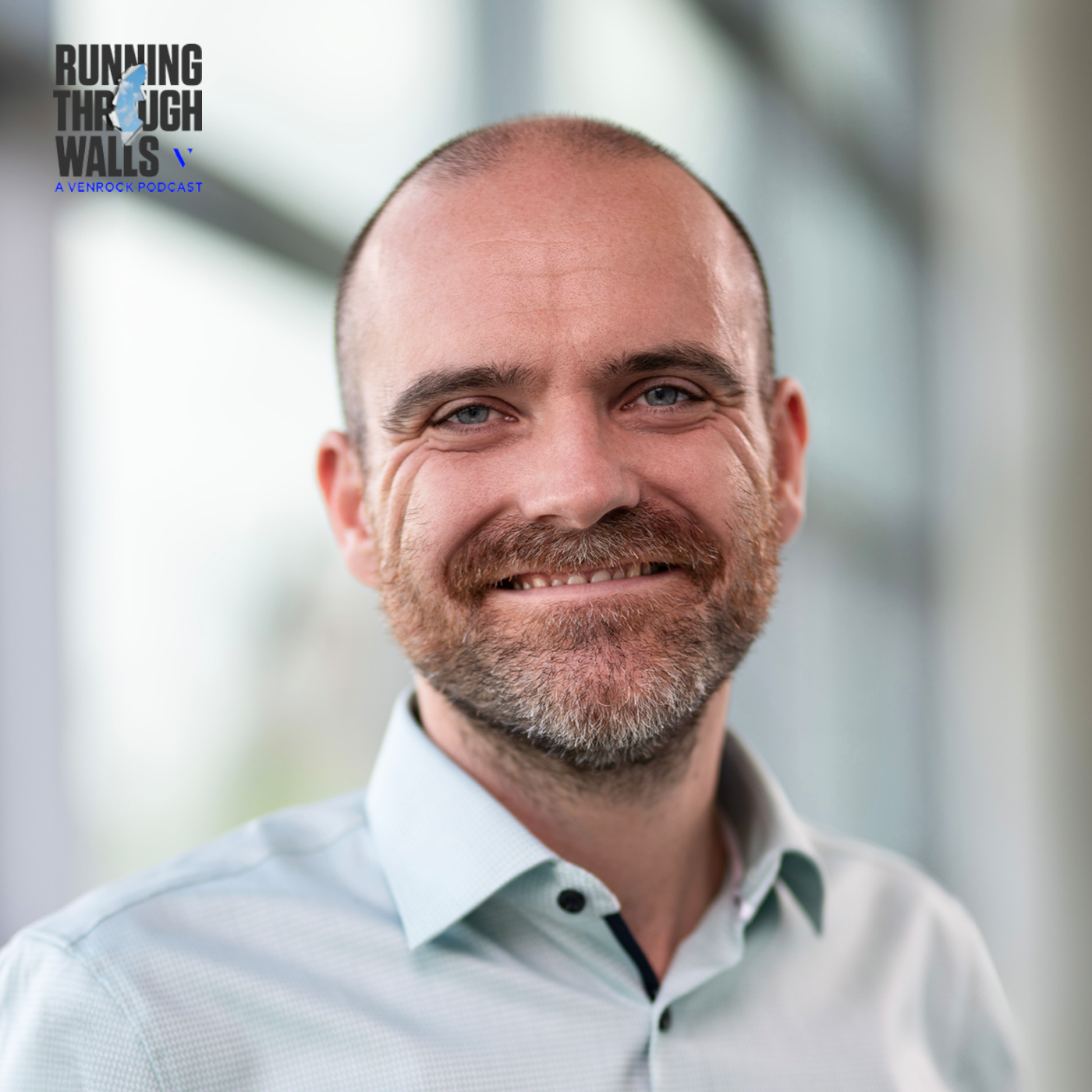
To effectively lead multicultural teams, be authentic, as people can sense fakeness. However, you must adapt your communication delivery for different cultural contexts. Understanding nuances—like why a team in Japan might be silent on a call—is crucial for building trust and avoiding misinterpretation.

Effective collaboration in global teams depends on "mutual adaptation." This isn't just about communicating; it requires members to constantly be in a mindset of both teaching colleagues about their own context and perspective, while actively learning about their collaborators' situations.