Get your free personalized podcast brief
We scan new podcasts and send you the top 5 insights daily.
China's strategy in Latin America is not just about oil and loans. It includes extensive sales of military equipment, intelligence sharing, pushing its 5G and Beidou satellite systems, and even foreign aid. This deep, multi-faceted integration makes its presence resilient, even with setbacks like Venezuela.

Related Insights
The public justification for the U.S. operation in Venezuela focused on drugs and oil, but the larger, under-discussed strategic threat is the presence of American adversaries in the Western Hemisphere. China controls Venezuelan mining, Iran operates drone facilities, and Russia provides radar systems, creating a significant geopolitical challenge in America's 'backyard' that the official narrative ignores.

The American action in Venezuela was likely a strategic message to other nations, particularly in Latin America, that an alliance with China does not guarantee protection from US intervention and may carry unforeseen downsides.
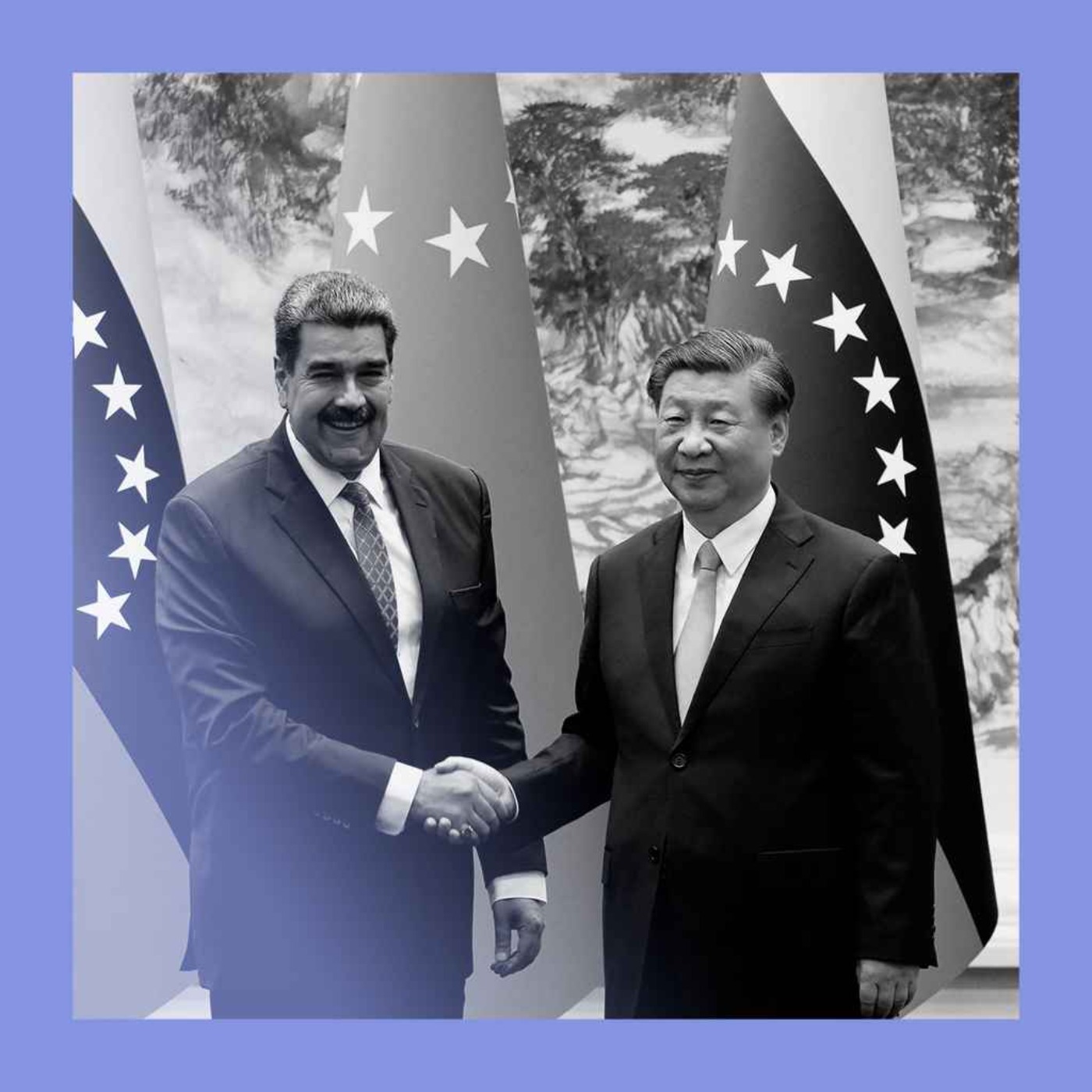
While a $10 billion loss on Venezuelan loans is substantial, it's a small fraction of the over $2 trillion China has lent via its Belt and Road Initiative. For Beijing, the erosion of a key strategic foothold in Latin America is a far greater concern than the financial write-down.

Beyond strategic ports, China's maneuvering includes creating financial infrastructure, like a South American gold corridor, as part of a larger strategy to establish a gold-backed currency that could rival and undermine the US dollar's status as the world's reserve currency.

The US invasion of Venezuela isn't for oil or to stop drugs, but to counter China's strategic influence via its Belt and Road Initiative. This reasserts the Monroe Doctrine—preventing rival footholds in its hemisphere—in a new Cold War context.
While Chinese firms are anxious about their Venezuelan assets, their history in Iraq provides a roadmap. After the 2003 US-led invasion, Chinese companies were initially worried but eventually became the largest investors in Iraq's oil industry. This suggests a long-term strategy of patience and high risk tolerance to outlast political instability.
The public narrative of fighting narco-terrorism in Venezuela is a red herring. The true strategic goal is to justify a U.S. military presence in the Caribbean to counter China's growing economic and military investments in the region, including control of key shipping routes and military partnerships.

The US troop buildup near Venezuela isn't just about oil; it's a strategic move to counter China's growing economic influence in South America. China is establishing a gold-backed currency network, and the US is using military leverage on Venezuelan allies to disrupt this challenge to its hemispheric dominance.

The conflict is not primarily about oil or drugs, but a strategic move to reassert U.S. dominance in the Western Hemisphere. As China solidifies its influence in the East, the U.S. is 'drawing a line' to counter China's partnerships (like with Venezuela) in its own sphere of influence.

The Trump administration's renewed focus on Latin America, as detailed in its national security strategy, could inadvertently signal a reduced US geopolitical focus on China's sphere of influence. Beijing may interpret this as an opportunity to play the long game on Taiwan, avoiding immediate retaliation over Venezuela.