Get your free personalized podcast brief
We scan new podcasts and send you the top 5 insights daily.
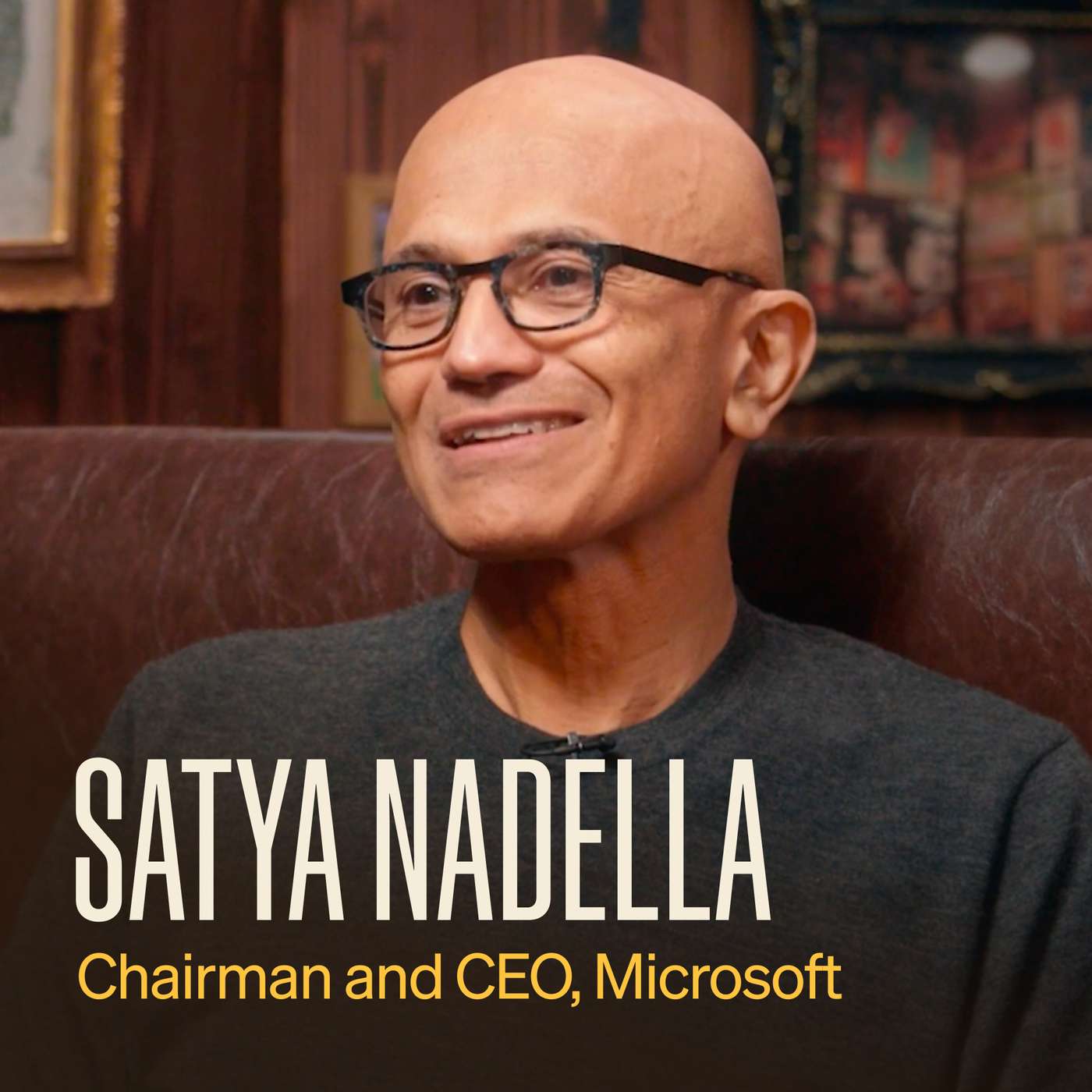
The concept of "sovereignty" is evolving from data location to model ownership. A company's ultimate competitive moat will be its proprietary foundation model, which embeds tacit knowledge and institutional memory, making the firm more efficient than the open market.
Related Insights
The notion of building a business as a 'thin wrapper' around a foundational model like GPT is flawed. Truly defensible AI products, like Cursor, build numerous specific, fine-tuned models to deeply understand a user's domain. This creates a data and performance moat that a generic model cannot easily replicate, much like Salesforce was more than just a 'thin wrapper' on a database.

Instead of simply adding AI features, treat your AI as the product's most important user. Your unique data, content, and existing functionalities are "superpowers" that differentiate your AI from generic models, creating a durable competitive advantage. This leverages proprietary assets.

The long-held belief that a complex codebase provides a durable competitive advantage is becoming obsolete due to AI. As software becomes easier to replicate, defensibility shifts away from the technology itself and back toward classic business moats like network effects, brand reputation, and deep industry integration.

The current trend toward closed, proprietary AI systems is a misguided and ultimately ineffective strategy. Ideas and talent circulate regardless of corporate walls. True, defensible innovation is fostered by openness and the rapid exchange of research, not by secrecy.

The future of valuable AI lies not in models trained on the abundant public internet, but in those built on scarce, proprietary data. For fields like robotics and biology, this data doesn't exist to be scraped; it must be actively created, making the data generation process itself the key competitive moat.

The true enterprise value of AI lies not in consuming third-party models, but in building internal capabilities to diffuse intelligence throughout the organization. This means creating proprietary "AI factories" rather than just using external tools and admiring others' success.
The enduring moat in the AI stack lies in what is hardest to replicate. Since building foundation models is significantly more difficult than building applications on top of them, the model layer is inherently more defensible and will naturally capture more value over time.

Creating a basic AI coding tool is easy. The defensible moat comes from building a vertically integrated platform with its own backend infrastructure like databases, user management, and integrations. This is extremely difficult for competitors to replicate, especially if they rely on third-party services like Superbase.

If a company and its competitor both ask a generic LLM for strategy, they'll get the same answer, erasing any edge. The only way to generate unique, defensible strategies is by building evolving models trained on a company's own private data.

Companies are becoming wary of feeding their unique data and customer queries into third-party LLMs like ChatGPT. The fear is that this trains a potential future competitor. The trend will shift towards running private, open-source models on their own cloud instances to maintain a competitive moat and ensure data privacy.
