Get your free personalized podcast brief
We scan new podcasts and send you the top 5 insights daily.
Post-acquisition by HubSpot, founder Pat Walls is no longer responsible for profitability and payroll. This frees him from the constraints of a bootstrapped CEO to focus entirely on content strategy and creation, using corporate resources to scale production in a way that was previously impossible.

Related Insights
Palo Alto Networks' M&A playbook mandates that acquired founders, who out-innovated internal teams, take charge. This empowers the founders and leverages their proven expertise, even if it unnerves existing employees. The people who were winning in the market should be put in charge.

Instead of seeking synergies by integrating acquired companies like Hailey Bieber's Rhode, Elf Beauty keeps the founder and their team in place. The goal is to provide resources like sales support and R&D to help the founder's original vision scale faster, avoiding common M&A pitfalls.

HubSpot co-founder Brian Halligan centers his new podcast on what he views as the most crucial phase of a company's lifecycle: the founder's evolution into a 'scale-up CEO.' His interviews explore this specific journey by featuring leaders from early-stage startups to massive enterprises like Goldman Sachs.

The acquisition of Weed Week, a one-person newsletter, reveals a smart M&A strategy. The parent company buys brands with excellent core content and audience trust, then leverages its own infrastructure to build a full media stack (events, ads, memberships) around that strong foundation.
To justify a high acquisition multiple, a founder must prove the business can operate without them. A powerful tactic is showing an acquirer your calendar to demonstrate that a majority of key clients are managed by the team, not the founder. This de-risks the acquisition and proves the company has true enterprise value.

The public story of an acquisition often focuses on strategic synergy. For Pulse, a key private driver was founder burnout. The co-founders, overwhelmed with operational tasks instead of product work, independently decided on a sale price before even starting fundraising talks, highlighting the human cost of scaling.
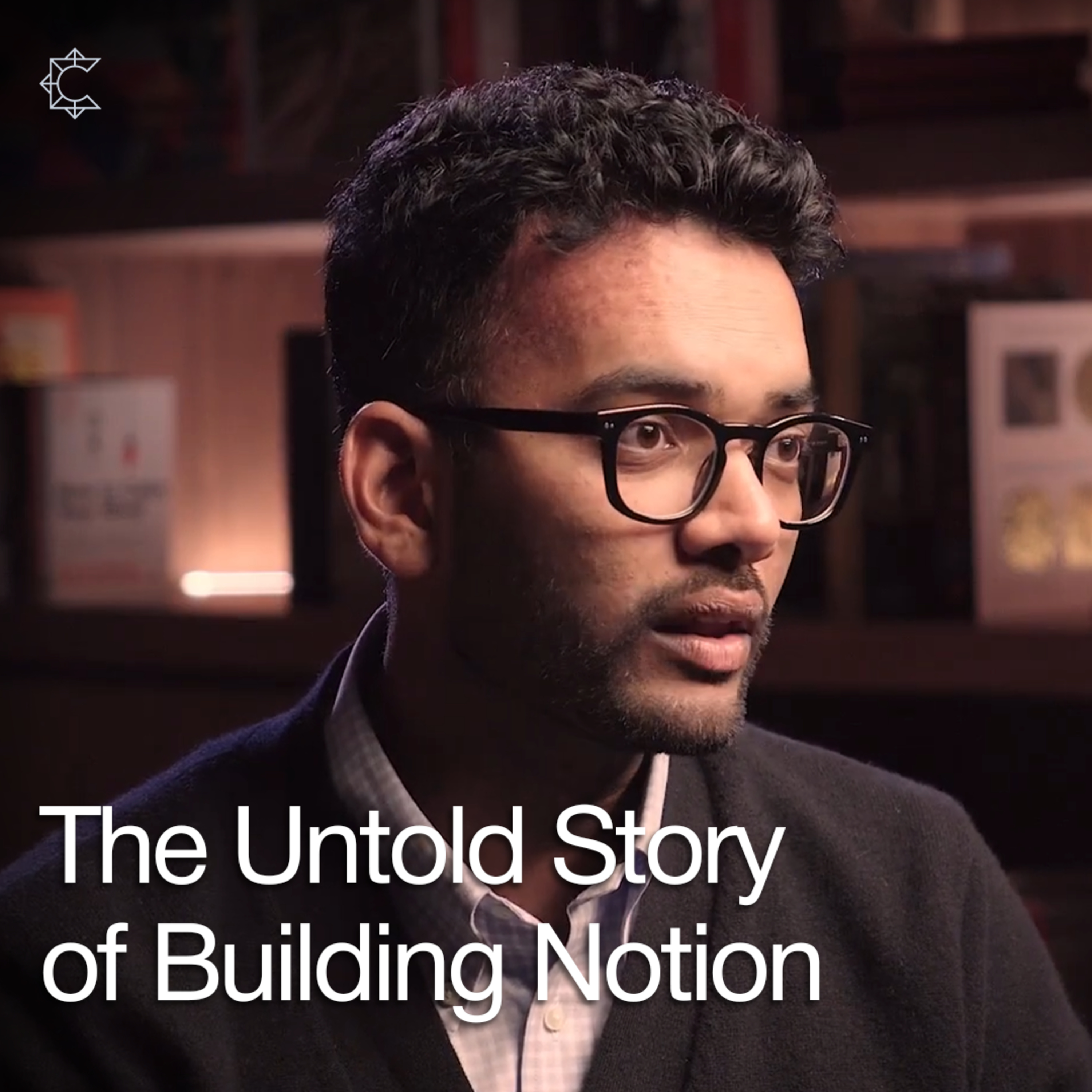
The M&A Science founder stepped back as CEO from his scaling software company, Dealroom, because his strength is in the early "boots on the ground" phase, not optimization and process maturity. This highlights the importance for founders to align their role with their core strengths rather than clinging to a title.

Pat Walls deliberately named his YouTube channel "Starter Story," not "Pat Walls," while still serving as its host. This created a valuable, acquirable company asset rather than an inseparable personal brand. It combined the authenticity of a creator with the transferability of a corporate brand, making the sale to HubSpot possible.
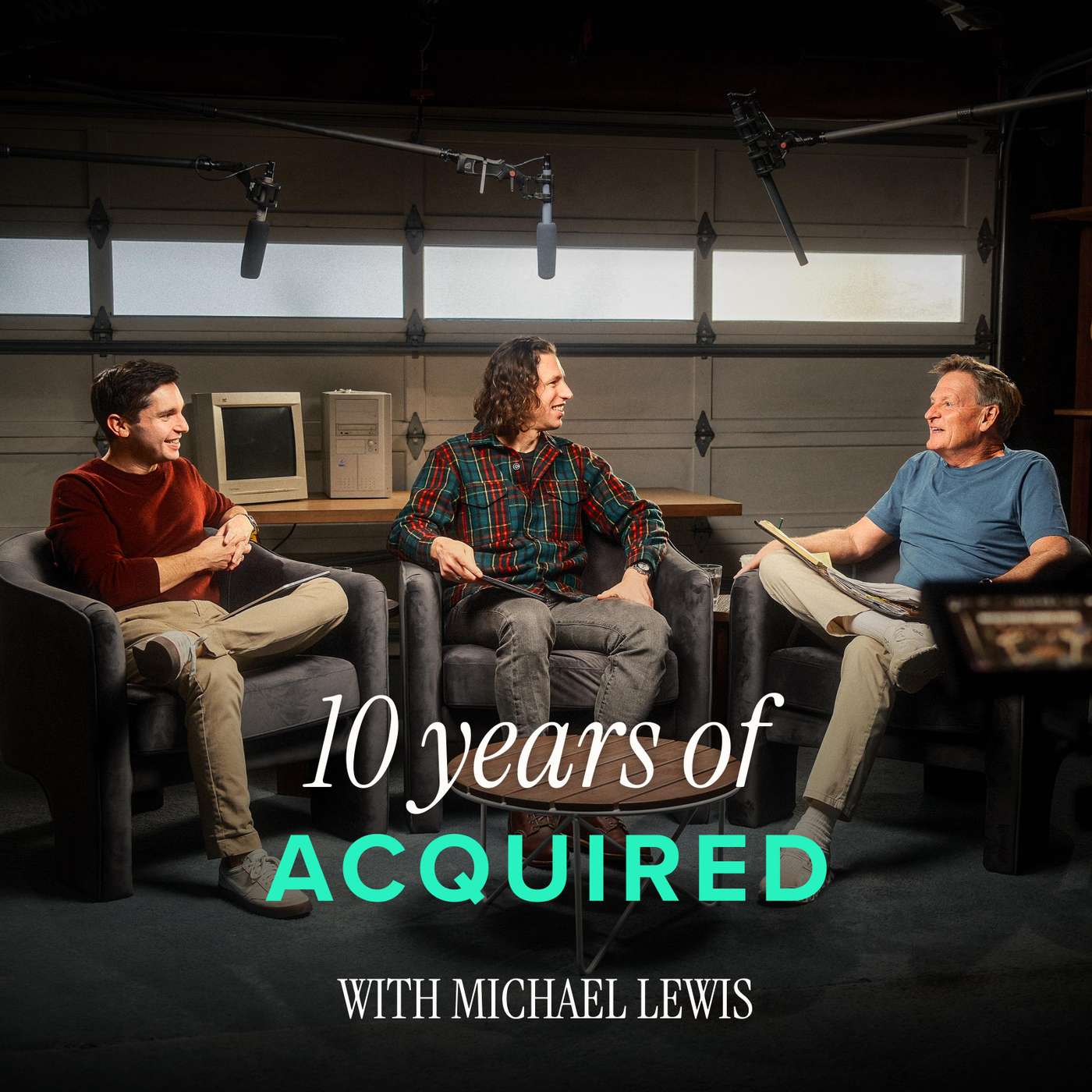
The founders of Acquired consciously choose not to build a large media company, a decision reinforced by an investor who warned that many founders become trapped in "prisons of their own making." By prioritizing founder control and lifestyle, they avoid the obligations that come with scaling an enterprise.
A key to M&A success is creating a founder-friendly environment. Avoid killing entrepreneurial spirit by forcing founders into a rigid matrix organization. Instead, maintain the structures that made them successful and accelerate them by providing resources from the parent company.