Get your free personalized podcast brief
We scan new podcasts and send you the top 5 insights daily.
Palo Alto Networks' M&A playbook mandates that acquired founders, who out-innovated internal teams, take charge. This empowers the founders and leverages their proven expertise, even if it unnerves existing employees. The people who were winning in the market should be put in charge.

Related Insights
When a large company acquires a startup, the natural tendency is to impose its standardized processes. Successful integration requires a balance: knowing which systems to standardize for leverage while allowing the acquired team to maintain its freewheeling, startup-style execution.
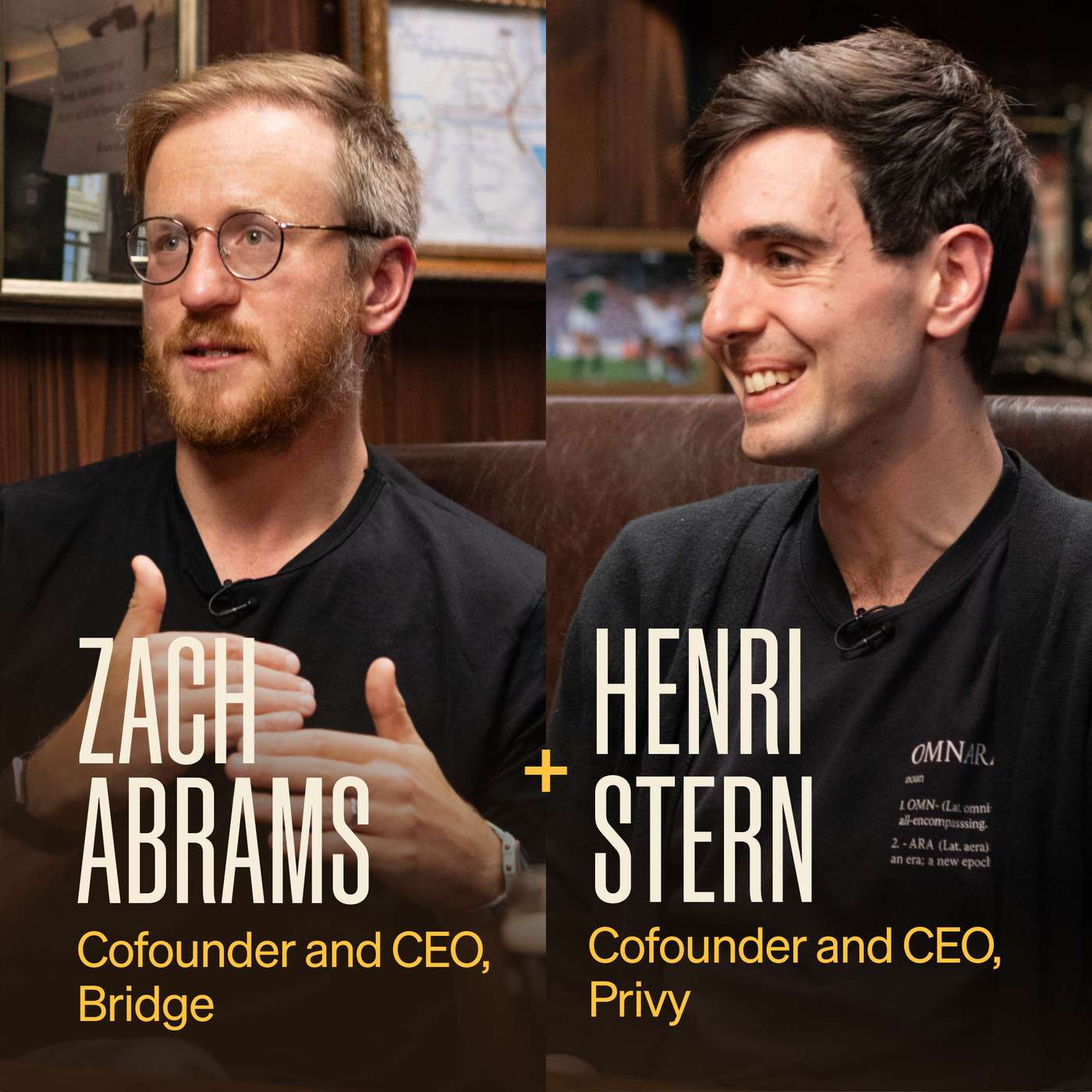
Canva avoids a delegated M&A team. The COO personally sponsors acquisitions, focusing on the acquired founder's motivations and cultural fit—often assessed over a drink. This deeply personal approach ensures the founder's vision aligns with Canva's distribution power, leading to successful integrations and high founder retention.

Successful large-scale acquirers remain nimble, flexing their own processes to suit the acquired company rather than force-fitting it into a rigid corporate structure. This preserves the culture and talent that made the company valuable, preventing value destruction and keeping the new team engaged.

Palo Alto Networks' founder advises that when facing a 10x leap in scale, founders who haven't navigated that stage should hire leaders who have. Rather than being a hero and learning on the job, it's safer and more effective to bring in proven experience to de-risk the next phase of growth.

Palo Alto Networks' M&A playbook defies convention. Instead of integrating an acquisition under existing managers, they often replace their own internal team with the acquired leaders. The logic is that the acquired team won in the market with fewer resources, making them better equipped to lead that strategy forward.
Founders whose startups were acquired by large enterprises can become your most powerful internal champions. They understand the startup mentality, know how to navigate internal politics and procurement, and are often motivated to bring in better technology. Actively seek them out.

Instead of a traditional executive search, Miro took an unconventional route to fill its C-suite: it acquired competitor InVision and appointed its CEO, Jeff Chow, as Miro's Chief Product and Technology Officer. This move secured proven leadership and an experienced team in a single strategic transaction.

Palo Alto Networks' M&A strategy requires founders to "unvest" half their existing stock. This is offset by a generous new equity grant (25-40% top-off) in the parent company, creating powerful financial incentives for founders to stay for the new three-year vesting period.
Corporate Development facilitates M&A but should not be the "sponsor." The true sponsor is the internal leader from product or engineering who will own the acquisition's success post-close. This distinction ensures clear accountability and prevents deals that lack a dedicated internal champion.

A key to M&A success is creating a founder-friendly environment. Avoid killing entrepreneurial spirit by forcing founders into a rigid matrix organization. Instead, maintain the structures that made them successful and accelerate them by providing resources from the parent company.