Get your free personalized podcast brief
We scan new podcasts and send you the top 5 insights daily.
Archer's CEO highlights that a strong retail investor base, cultivated through communities like Reddit, creates high trading volume. This liquidity is a strategic asset, making it easier for the company to raise capital as institutional investors are more confident they can trade the stock in and out.

Related Insights
Vlad Tenev argues that unlike crypto, which built a powerful grassroots advocacy block through widespread retail ownership, the AI industry is vulnerable to negative sentiment and regulation because it lacks a "retail army" of investors. With no financial stake, the public is more susceptible to fear-based narratives.
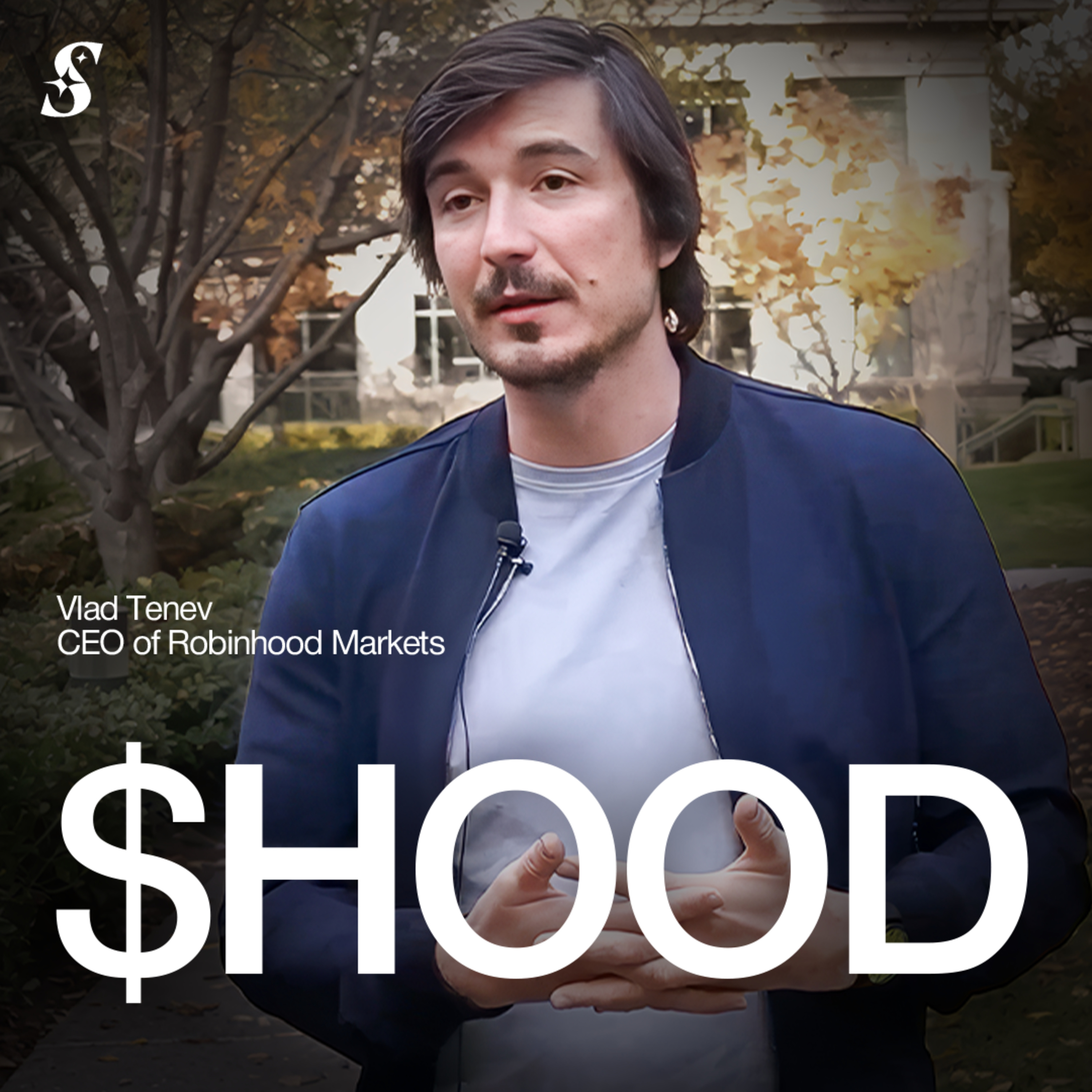
Robinhood's CEO contrasts the COVID-era retail trading craze, driven by 'ephemeral' theses like nostalgia, with today's more 'meaningful' activity. He observes that current retail investors are focused on substantive tech waves like AI, backing companies with real revenue, indicating a market maturation.
Biotech leaders often fixate on share price after an IPO, but trading volume is the more important metric for long-term health. High liquidity attracts institutional investors and makes it easier to raise future capital. A stock that "trades by appointment" due to low volume signals a lack of interest and severely limits a company's financial options.

A company can achieve a public listing without a traditional IPO. The strategy involves first using Regulation Crowdfunding (Reg CF) to raise capital from customers, building a wide shareholder base. With this pool established, the company can then pursue a direct listing on an exchange.

The number of public companies has nearly halved since the 90s, concentrating capital into fewer assets. This scarcity, combined with passive funds locking up float, creates structural imbalances. Sophisticated retail traders can now identify these situations and trigger gamma squeezes, challenging institutional dominance.

Vested works directly with employees because startups find small, one-off secondary transactions burdensome due to legal fees and cap table complexity. However, this dynamic inverts at scale. Once Vested facilitates millions in transactions for a single company's stock, the startup has a strong incentive to partner on a formal liquidity program.

Archer's CEO conceptualizes his role as being in the 'time business.' He views capital raised as a representation of time for his team. His high-stakes travel and meetings are strategically chosen only if they secure outcomes that extend the company's runway, enabling the team to solve hard technical problems.
Institutional investors prefer quantifiable data with historical correlations. They struggle to build teams and models around qualitative, evolving 'conversational data' from social media. This structural inability to act on non-quantifiable signals creates a lasting advantage for observant retail investors.

Contrary to the traditional focus on institutional investors, allocating a significant portion of an IPO to retail investors creates a loyal shareholder base. This "retail following" can result in higher valuation multiples and sustained brand advocacy, turning customers into long-term owners and a strategic asset.

Though a small portion of the market's NAV, retail investor participation is growing at 50% annually. This new, consistent capital flow is a significant structural change, increasing overall market liquidity and enabling more transactions.
