Get your free personalized podcast brief
We scan new podcasts and send you the top 5 insights daily.
The success of the gay hockey romance "Heated Rivalry" was not accidental. Producers deliberately copied the "Bridgerton" formula: combining a racy script, an unknown cast, and a surprise setting. This strategy can be replicated to create viral hits in seemingly niche content areas and drive mainstream interest.

Related Insights
Virality can be engineered by combining three key ingredients: something controversial, something funny, and something taken out of its usual context. According to Eric Zhu, blending these elements makes for a powerful and shareable story, as exemplified by the concept of sperm racing.

Don't compare your niche content's views to mass-market entertainment. A video for business owners getting 100,000 views might represent a huge portion of its total addressable market (TAM), making it far more successful than a viral video with millions of untargeted views. Contextualize your metrics against your market size.

Businesses with passionate but niche audiences, like the UFC or F1, can break into the mainstream by producing "on-ramp" content. A human-interest show (like F1's "Drive to Survive") provides an accessible entry point for new fans, demystifying the niche and driving massive growth by solving the discovery problem.

Capitalize on trending conversations (e.g., a popular TV show) by connecting them to your area of expertise. This strategy, called a Niche-Adjacent Post (NAP), exposes your content to a broader audience interested in the trend, who may then discover and follow you for your core niche content.

Don't reinvent the wheel for video series concepts. Look at popular, long-running TV shows like "Shark Tank" or "Million Dollar Listing" and adapt their format to your industry. This leverages a proven, engaging structure that audiences already understand and enjoy.

"Heated Rivalry" strategically moved its launch to Thanksgiving to leverage the holiday period when consumers actively seek and share new shows at social gatherings. This timing creates a powerful organic marketing engine, turning personal recommendations into a key driver of viewership for new content.
A $3-5M/episode drama from Canada's Crave streaming service became a global phenomenon, outshining $50M/episode Hollywood productions. This validates the independent media model for scripted television, where authentic, low-cost content can find massive global audiences.

Episodes that underperformed with the general audience, like those on Nintendo or cricket, proved invaluable by attracting influential "superfans," including Meta executives and author Michael Lewis. This shows that catering to a passionate niche can yield more strategic value than broad, moderate appeal.

Creating viral content requires a formula: identify a dominant fandom driving conversation, understand the target platform's user base, and find a brand-relevant angle within hours. It's a strategic process of connecting cultural moments to your brand in near real-time, not a random act.

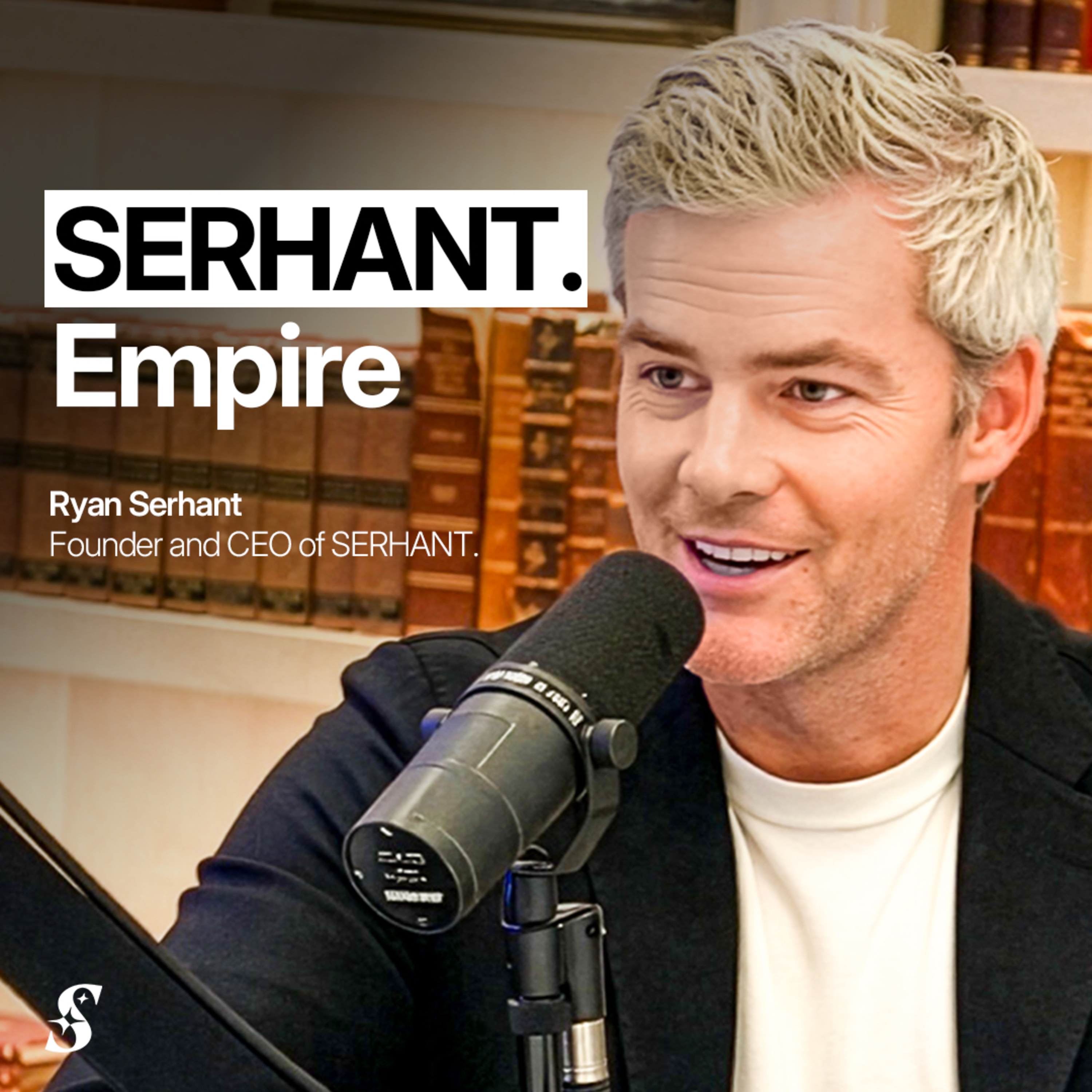
While traditional TV (Bravo) built his brand slowly over a decade, Serhant's Netflix show had a life-changing impact within three weeks. The platform's global reach and 'Top 10' recommendation engine present a show to 300 million users simultaneously, creating an instant, massive influx of customers and recruits that is unparalleled.