Get your free personalized podcast brief
We scan new podcasts and send you the top 5 insights daily.
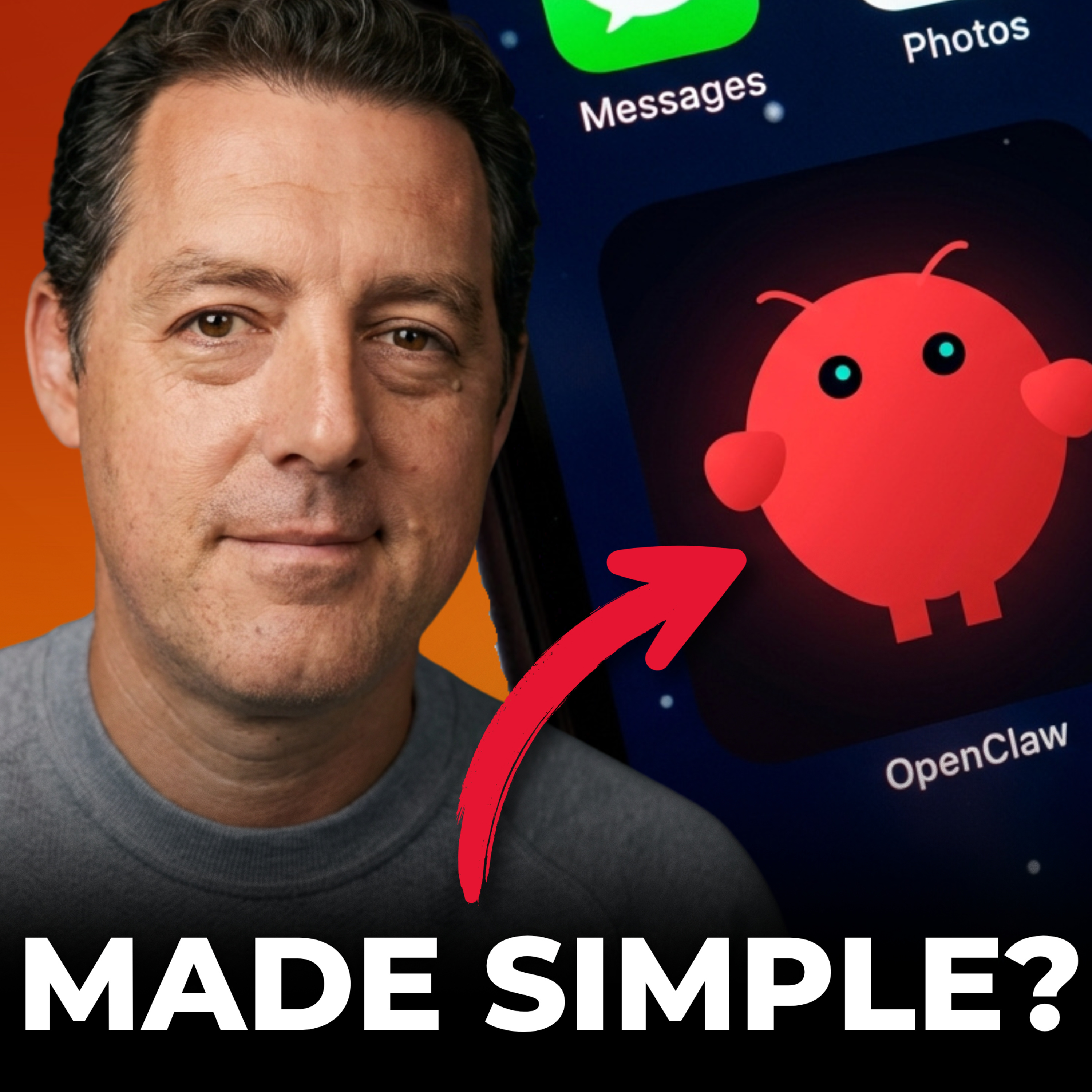
The speaker criticizes GrokBot for its simplicity because it prevents deep customization. She prefers her "chaotic and technical" open-source agents because the challenge of managing them provides a sense of control and ownership—a key desire for power users who value hackability over ease of use.

Related Insights
The new paradigm for building powerful tools is to design them for AI models. Instead of complex GUIs, developers should create simple, well-documented command-line interfaces (CLIs). Agents can easily understand and chain these CLIs together, exponentially increasing their capabilities far more effectively than trying to navigate a human-centric UI.

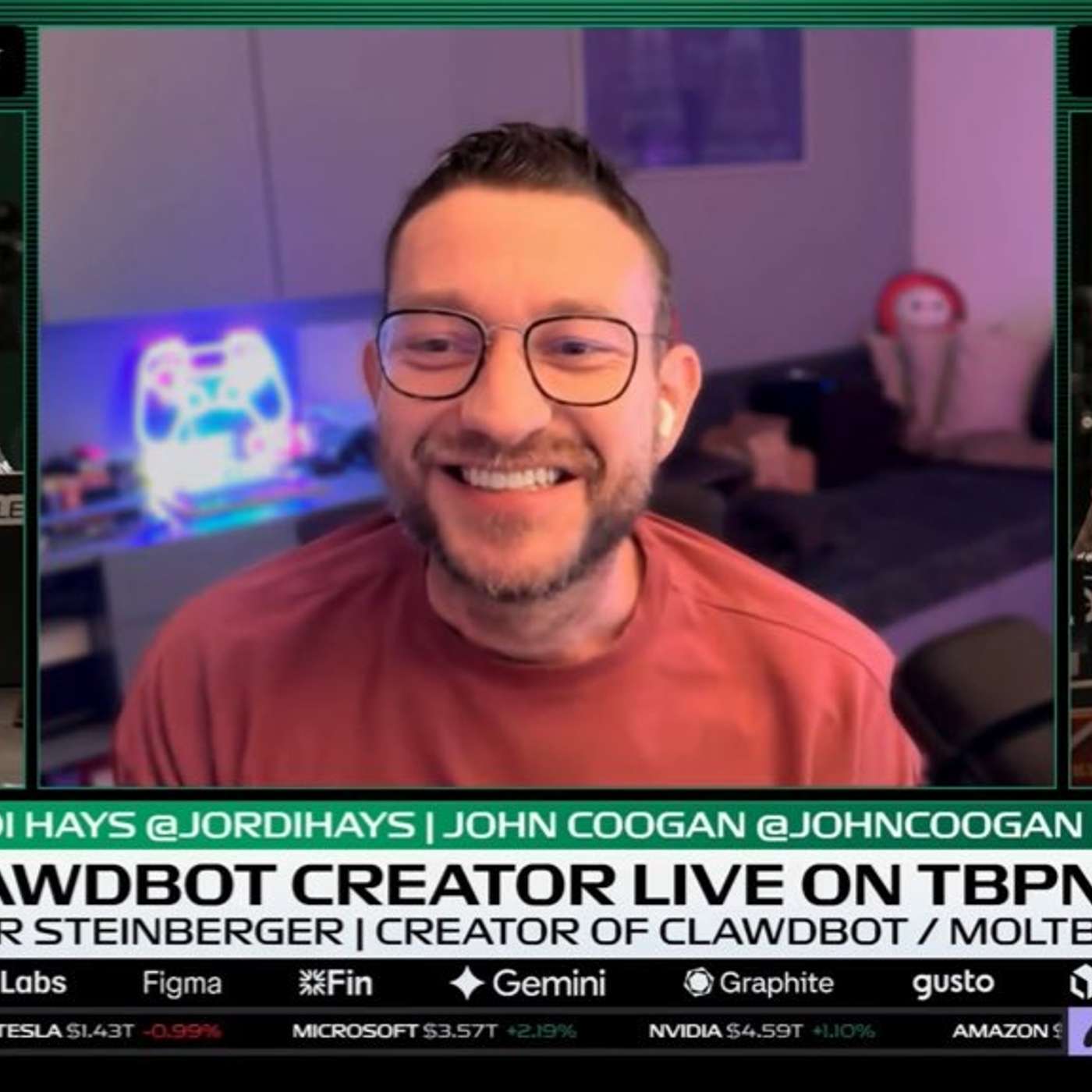
In the emerging AI agent space, open-source projects like 'Claude Bot' are perceived by technical users as more powerful and flexible than their commercial, venture-backed counterparts like Anthropic's 'Cowork'. The open-source community is currently outpacing corporate product development in raw capability.

Instead of complex SDKs or custom code, users can extend tools like Cowork by writing simple Markdown files called "Skills." These files guide the AI's behavior, making customization accessible to a broader audience and proving highly effective with powerful models.

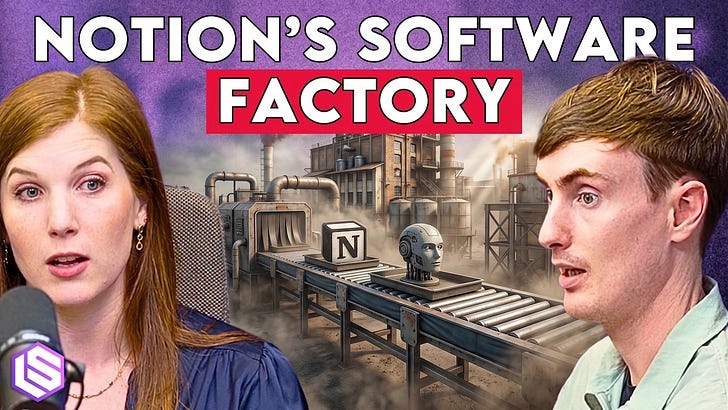
For its Custom Agents feature, Notion rejected the goal of making it "as easy as possible to use." They realized simplifying the interface would abstract away critical interpretability and diminish the tool's power, so they aligned on building a deep, sophisticated product for "the top of the class."
While humans prefer simple CLIs, AI agents benefit from complexity. Providing many arguments and flags gives the agent more 'handholds' to query state and precisely control actions, improving its ability to complete tasks without getting stuck.

Kun Chen doesn't just use off-the-shelf agents; he builds his own tools like Lavish (visual planning) and 'no mistakes' (validation). This highlights a key trait of power users: identifying and solving personal workflow frictions with custom software instead of waiting for public solutions.

While tech enthusiasts focus on powerful but complex agents like OpenClaw, Meta's Manus is gaining traction by offering a simplified, code-free version. This suggests mass-market adoption for AI agents hinges on ease of use and accessibility, not just technical capability.

Instead of designing tools for human usability, the creator built command-line interfaces (CLIs) that align with how AI models process information. This "agentic-driven" approach allows an AI to easily understand and scale its capabilities across numerous small, single-purpose programs on a user's machine.
AI chat interfaces are often mistaken for simple, accessible tools. In reality, they are power-user interfaces that expose the raw capabilities of the underlying model. Achieving great results requires skill and virtuosity, much like mastering a complex tool.
The excitement around tools like OpenClaw stems from their ability to empower non-programmers to create custom software and workflows. This replicates the feeling of creative power previously exclusive to developers, unlocking a long tail of niche, personalized applications for small businesses and individuals who could never build them before.