Get your free personalized podcast brief
We scan new podcasts and send you the top 5 insights daily.
Maria Sharapova's first major non-sport deal with Motorola wasn't lucrative but provided immense global exposure. This strategic choice built her brand recognition, leading to larger opportunities. It's a lesson in valuing long-term brand equity over immediate financial gain, especially early in a career or venture.
Related Insights
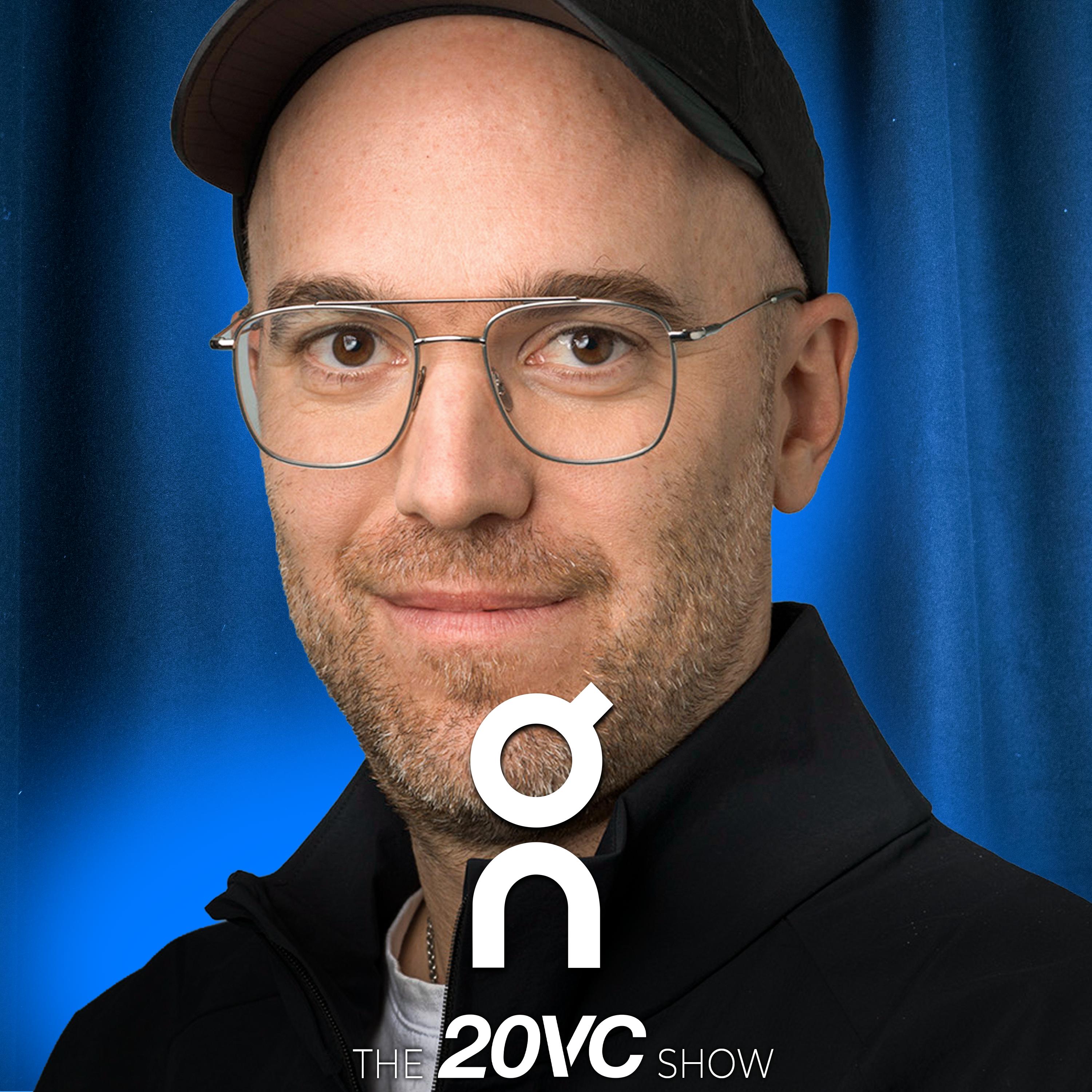
Market size isn't the only driver for product expansion. On Running's entry into the relatively small tennis market was driven by their partnership with Roger Federer. The collaboration was seen as an infusion of an "athlete mindset" and "excellence" into the company's DNA, justifying the move beyond a purely financial calculus.
Brand strategy doesn't deliver immediate returns. Frame it like SEO: a long-term investment that adds incremental value over time through consistent execution. This mindset helps justify the effort against short-term performance marketing wins and prevents premature abandonment of crucial brand-building work.

Building a brand from scratch requires prioritizing it above almost everything else—a commitment most celebrities can't or won't make. The endorsement model provides a safer, more suitable financial arrangement for the majority of entertainers who lack the time, understanding, or dedication for true ownership.
In her early twenties, Maria Sharapova recognized her athletic career was finite and began treating it like a business. She actively participated in board meetings to prepare for her future beyond the sport. This long-term, business-first perspective is vital for any professional whose core skill has a limited window.
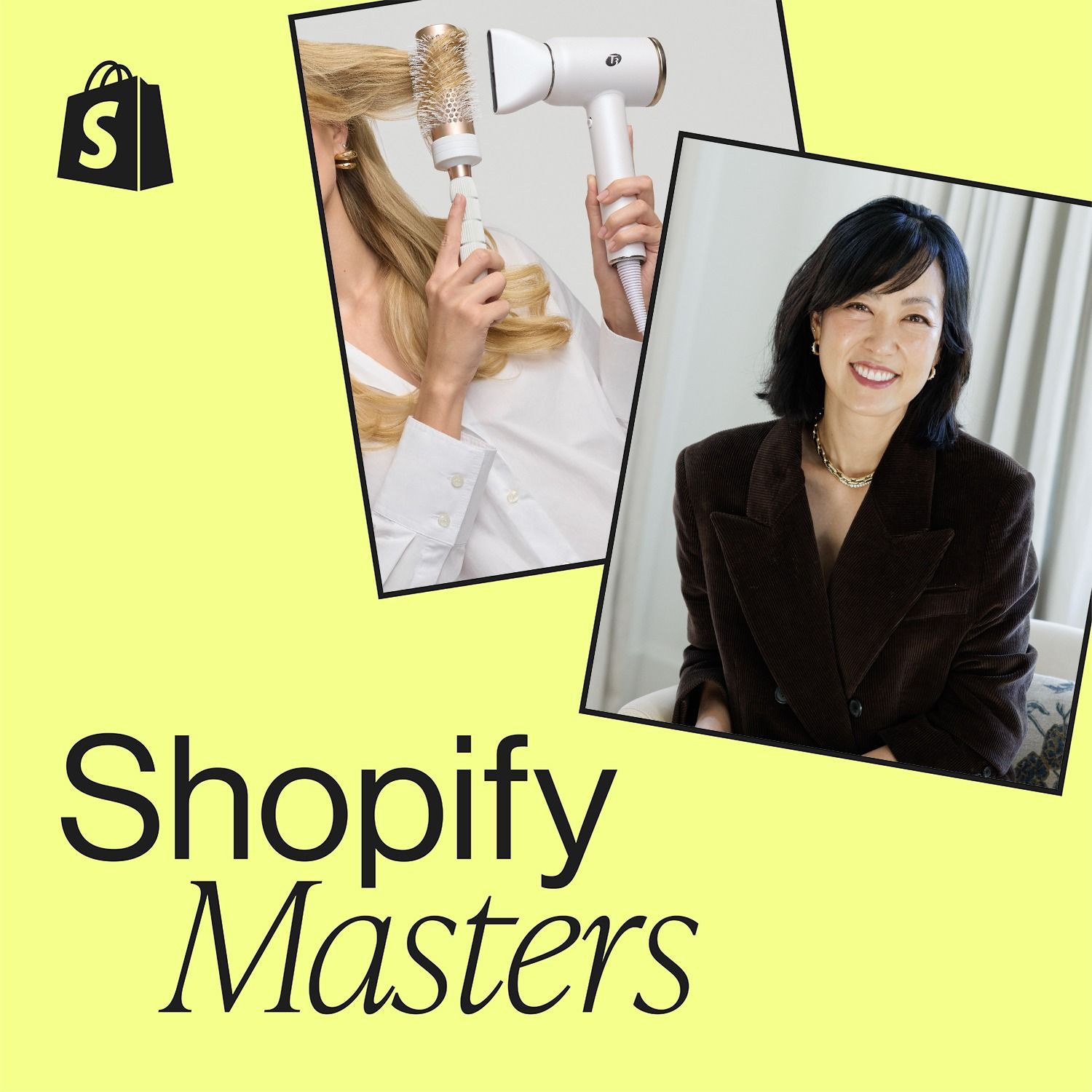
When Sephora first approached T3, their request was to create a Sephora-branded hair dryer. Despite being a young, bootstrapped company, T3 declined the white-label opportunity. They insisted on selling under their own brand name, a crucial decision that allowed them to build long-term brand equity instead of becoming a disposable supplier.
The motivation for buying a Formula 1 team is not financial return but the acquisition of an unparalleled personal brand and networking tool. Like owning a major league sports team, it instantly redefines one's public identity and provides access to an exclusive global elite, a value that "you can't put a price on."

To justify long-term brand investments to sales-minded executives, use the analogy of hiring a new AE. An AE hired in Q1 won't contribute to that quarter's number but is vital for hitting Q3 targets. Brand marketing requires the same upfront investment for future returns, a concept executives already understand.

Early in his career, Magic Johnson was offered stock by a young Nike but chose a cash endorsement deal from a competitor instead. He estimates that stock would be worth over a billion dollars today, serving as his most powerful lesson on the long-term value of equity over immediate cash.

For celebrities, the most effective path to massive wealth isn't always starting their own company. A more strategic approach is to identify a promising brand and exchange social capital for a significant equity stake, as Roger Federer did with On. This leverages influence without the operational burden of building a business from scratch.

Sandals founder Butch Stewart didn't wait for profits to reinvest in advertising. He spent millions upfront because he believed the most valuable and difficult real estate to build is the brand's position in a consumer's mind. This 'spend bigger to earn bigger' mindset established the brand's identity early.
