Get your free personalized podcast brief
We scan new podcasts and send you the top 5 insights daily.
A critical mindset shift from academia to startups is embracing the "killer experiment." Academics may fear an experiment that disproves a long-held hypothesis. In contrast, biotech startups, with finite capital, must run these experiments early to either validate or kill a program, efficiently allocating resources to viable projects.

Related Insights
Scientist-founders often believe one more experiment will prove their hypothesis. To succeed as a CEO, they must shift from scientific curiosity to ruthless capital discipline, killing unviable programs and building a team that challenges ideas, not just executes them.

During capital-constrained periods, founders must be ruthless in their focus. Every dollar and hour should go towards "killer experiments"—those that directly accrue value and hit the specific milestones required for the next fundraising round. "Cool science" that doesn't advance these goals is a luxury companies can't afford.
Small biotechs must avoid becoming too attached to their initial lead compounds. They should adopt a 'first pancake' mindset, recognizing the first attempt may need to be discarded. This requires a professional, decision-driving approach over an emotional, project-tracking one.

Moving technology from academia to a startup requires a crucial mindset shift. The academic goal of publishing data must be replaced by the industry requirement of extensive validation. For Vivtex, this single piece of advice added years of work but was essential for creating a commercially viable platform.

While biotech cannot easily replicate tech's rapid iteration cycles due to high costs and long feedback loops, it can adopt the capital efficiency model of tech seed investing. The strategy is to kill flawed projects quickly and cheaply, ensuring that when you lose, you lose small.

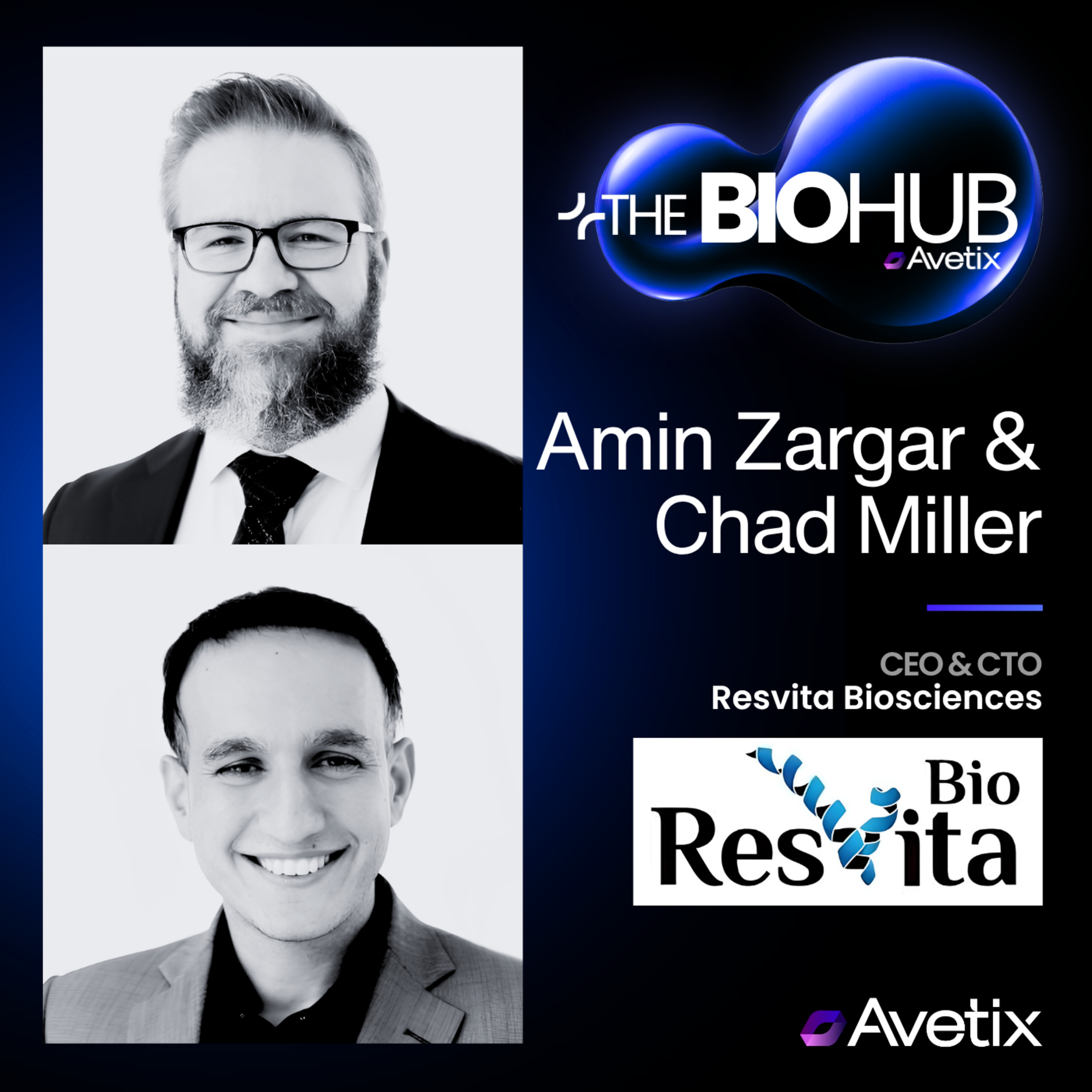
Resvita Bio's CEO notes that in academia, scientists conduct numerous experiments to prove a single point for publication. In a startup, the focus shifts to building momentum. Once a concept is proven, the team must immediately move to the next challenge rather than over-verifying with redundant experiments.
Small biotechs face a paradox: they must pursue highly innovative, risky science to differentiate themselves, as "me-too" drugs won't attract investment. The key to survival is managing this high scientific risk with strategies that provide fast, capital-efficient data for go/no-go decisions.
The transition from academic scientist to biotech CEO involves a critical mindset shift. In academia, ideas and knowledge are the primary capital. In the resource-intensive biotech world, time is the scarcest and most valuable asset, demanding parallel execution.
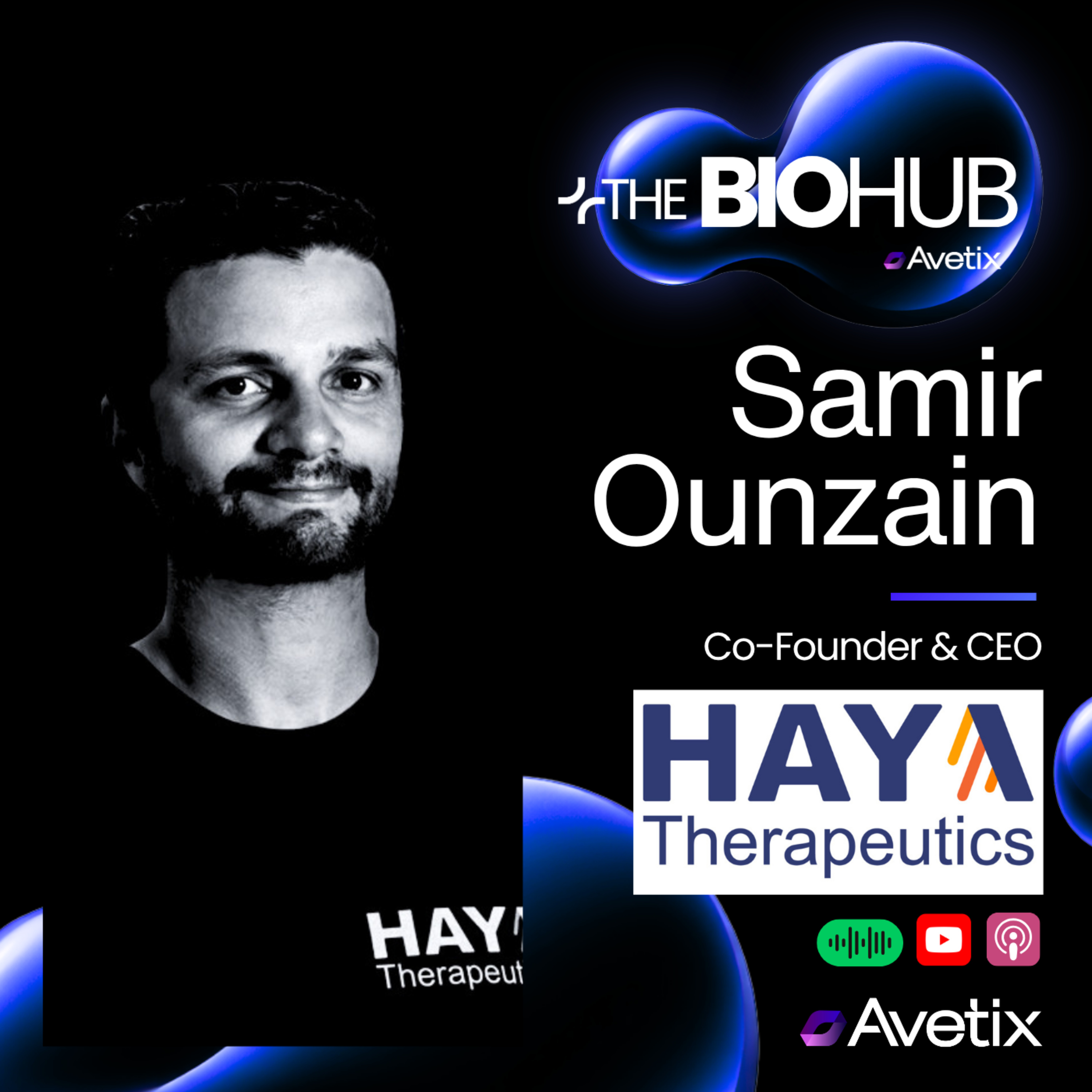
Many scientists are driven by pure curiosity. However, the mindset that pushes an academic toward entrepreneurship is a relentless focus on reaching a definitive conclusion—a 'yes or no' answer. This goal-oriented drive to translate a concept into a real-world application is a key founder trait in biotech.

Founders must balance scientific conviction with market feedback. Kulkarni shares that his team abandoned pursuing certain indications that, while scientifically sound, failed to gain investor traction. This shows the critical need to pivot based on market signals, not just internal belief, to ensure continued funding and support.