Get your free personalized podcast brief
We scan new podcasts and send you the top 5 insights daily.
In capital-intensive sectors like nuclear or grid-scale batteries, technical brilliance is insufficient. VCs must assess if a founder possesses the rare storytelling ability to convince future investors to deploy billions in capital before reaching profitability. Without this skill, even the best IP is likely to fail.

Related Insights
Unlike software, hard tech involves long scale-up timelines and high capital costs. Founders must specifically seek the small subset of investors and partners who understand the market context and have the risk appetite for massive, world-changing opportunities, rather than trying to appeal to all VCs.
Beyond product-market fit, there is "Founder-Capital Fit." Some founders thrive with infinite capital, while for others it creates a moral hazard, leading to a loss of focus and an inability to make hard choices. An investor's job is to discern which type of founder they're backing before deploying capital that could inadvertently ruin the company.

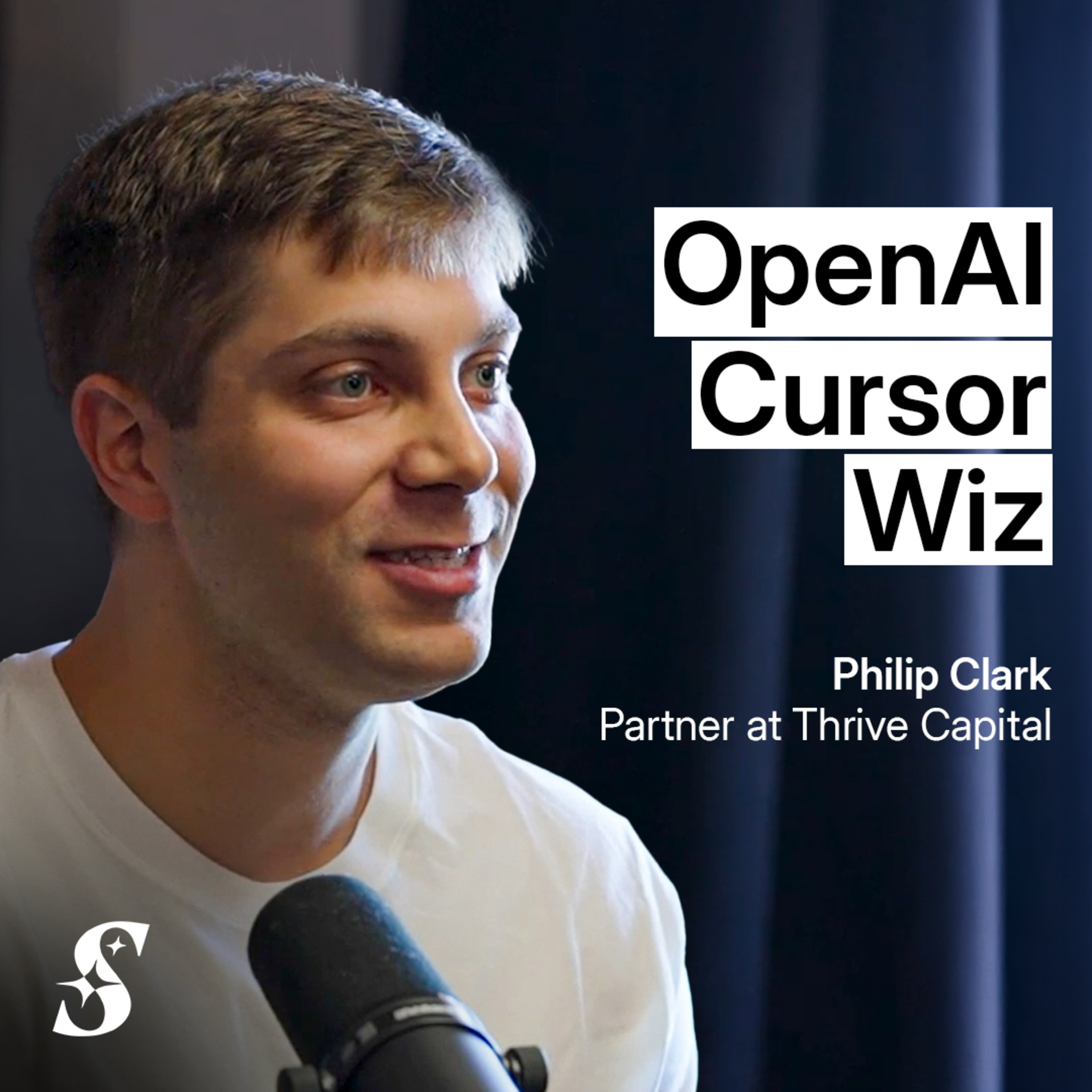
When meeting Cursor's founder, the investor felt an "electric energy" even as the founder was pivoting away from his original idea. This highlights that for elite early-stage investors, the founder's intrinsic drive and potential are the constant to bet on, as ideas will inevitably change.
The best founders, especially in complex fields, don't give superficial answers to secure funding. Instead, they demonstrate deep passion and expertise by enthusiastically pulling investors into the intricate details and underlying principles of their domain.
![Scott Nolan - SpaceX, Founders Fund, and Rebuilding American Uranium Enrichment - [Invest Like the Best, EP.467] thumbnail](https://megaphone.imgix.net/podcasts/5edee546-3776-11f1-b41d-a76759576e87/image/908aaa6e87baf2b3d364892c4b7f9fd8.jpg?ixlib=rails-4.3.1&max-w=3000&max-h=3000&fit=crop&auto=format,compress)
In capital-intensive sectors, the idea is secondary to the founder's ability to act as a magnet. Their primary function is to relentlessly attract elite talent and secure continuous funding to survive long development timelines before revenue.
For investor Nick Pachuda, a key founder test is whether they can describe "the amazing thing" they are working on in terms of clinical or economic impact. Founders who get bogged down in the technical mechanisms often fail to communicate a compelling vision.

A founder's credibility acts as a multiplier on the perceived value of their narrative. An entrepreneur like Elon Musk, with a track record of success, receives a "multiple expansion on trust," allowing their futuristic stories to attract capital at valuations and scales that a first-time founder could not achieve.

In early-stage investing, the quality of the founder can be more important than the initial business concept. A strong founder is seen as someone who will eventually find success, even if the first idea requires a pivot.
For deep tech startups lacking traditional revenue metrics, the fundraising pitch should frame the market as inevitable if the technology works. This shifts the investor's bet from market validation to the team's ability to execute on a clear technical challenge, a more comfortable risk for specialized investors.

A common mistake for VCs, especially those with analytical backgrounds, is over-indexing on the "what"—the business model and market. The most critical factor at the seed stage is the "who"—the founder's intrinsic motivation to "walk through walls." This is the hardest element to diligence but the most important.