Get your free personalized podcast brief
We scan new podcasts and send you the top 5 insights daily.
XAI is experiencing a foundational crisis, with six of its twelve co-founders departing. The exodus follows projects falling short of Elon Musk's expectations, prompting him to state the company "was not built right the first time," highlighting extreme talent and execution challenges in the AI race.

Related Insights
High-valuation AI companies are built on human capital, not assets. This creates a mercenary "NFL culture" where large "co-founding" teams with loose titles will quickly leave for better opportunities if the initial vision falters, making these investments exceptionally volatile.

The drama at Thinking Machines, where co-founders were fired and immediately rejoined OpenAI, shows the extreme volatility of AI startups. Top talent holds immense leverage, and personal disputes can quickly unravel a company as key players have guaranteed soft landings back at established labs, making retention incredibly difficult.

High-profile departures from xAI spark debate, but assessing the true cause—be it Musk's demanding style or normal turnover—is clouded by intense public bias. Objective analysis is vanishingly rare, making it difficult to gauge the actual impact on the company's trajectory.
Unlike prior tech waves where founders aimed to build companies, many top AI founders are singularly focused on achieving AGI. This unified "North Star" creates a unique tension between long-term research and near-term product goals, leading to unconventional founder and company dynamics.

According to sources, xAI's strategy is reactive, primarily focused on copying innovations from OpenAI and Anthropic rather than charting its own course. This lack of vision leads to internal frustration and a reputation for embarrassing, 'edgy' features rather than real breakthroughs.
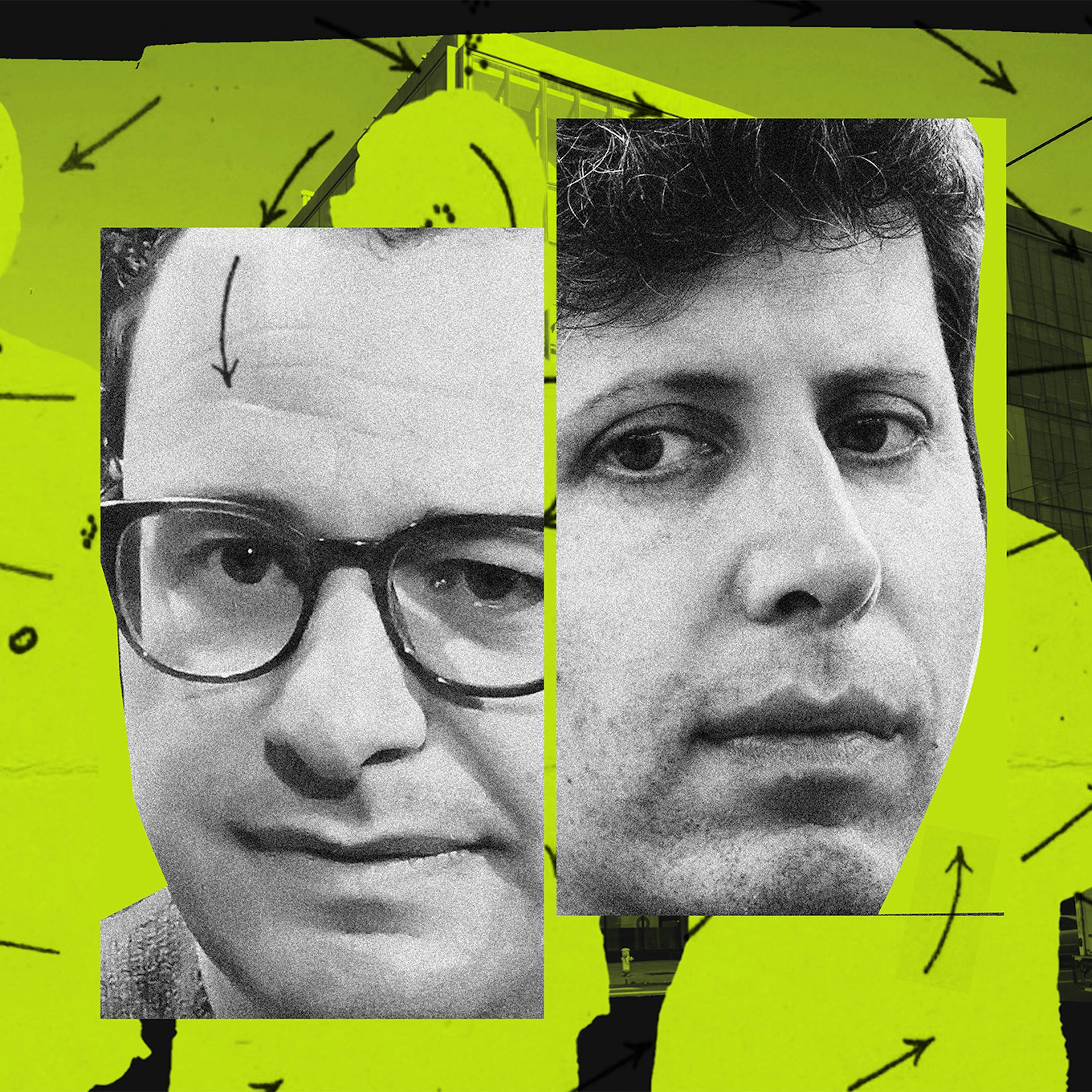
As OpenAI and Anthropic gear up to go public, the pressure to generate profit is mounting. This shift from pure research to building ad-driven, commercial products creates a culture clash, causing disillusioned engineers who joined for loftier goals to quit.
A significant number of leading AI companies, such as Anthropic and XAI, were founded by executives who left larger players like OpenAI out of disagreement or rivalry. This "spite" acts as a powerful motivator, driving the creation of formidable competitors and shaping the industry's landscape.

Thinking Machines Lab, founded by ex-OpenAI leaders, raised $2B pre-product. Its current struggles, including executive departures and inability to raise more funds, suggest investors are shifting focus from founder hype ('vibe founding') to concrete products and business strategies.

The departure of half of xAI's founding team, many of whom are researchers, indicates a pivot away from speculative research projects. The company's focus appears to be on massive engineering feats, like space-based data centers, to win through sheer scale rather than novel AI breakthroughs.

The departure of two more xAI co-founders, bringing the total loss to 50%, is directly linked to Elon Musk's sharp dissatisfaction. A delay in the release of the Grok 4.2 AI model triggered his response, a common pattern of leadership change when projects are delayed in his companies.
