Get your free personalized podcast brief
We scan new podcasts and send you the top 5 insights daily.
High-profile departures from xAI spark debate, but assessing the true cause—be it Musk's demanding style or normal turnover—is clouded by intense public bias. Objective analysis is vanishingly rare, making it difficult to gauge the actual impact on the company's trajectory.

Related Insights
When Thinking Machines' CTO departed for OpenAI, the company cited "unethical conduct." Insiders speculate this is a "snaky PR move" or "character assassination leak" to control the narrative as talent poaching intensifies among AI labs.
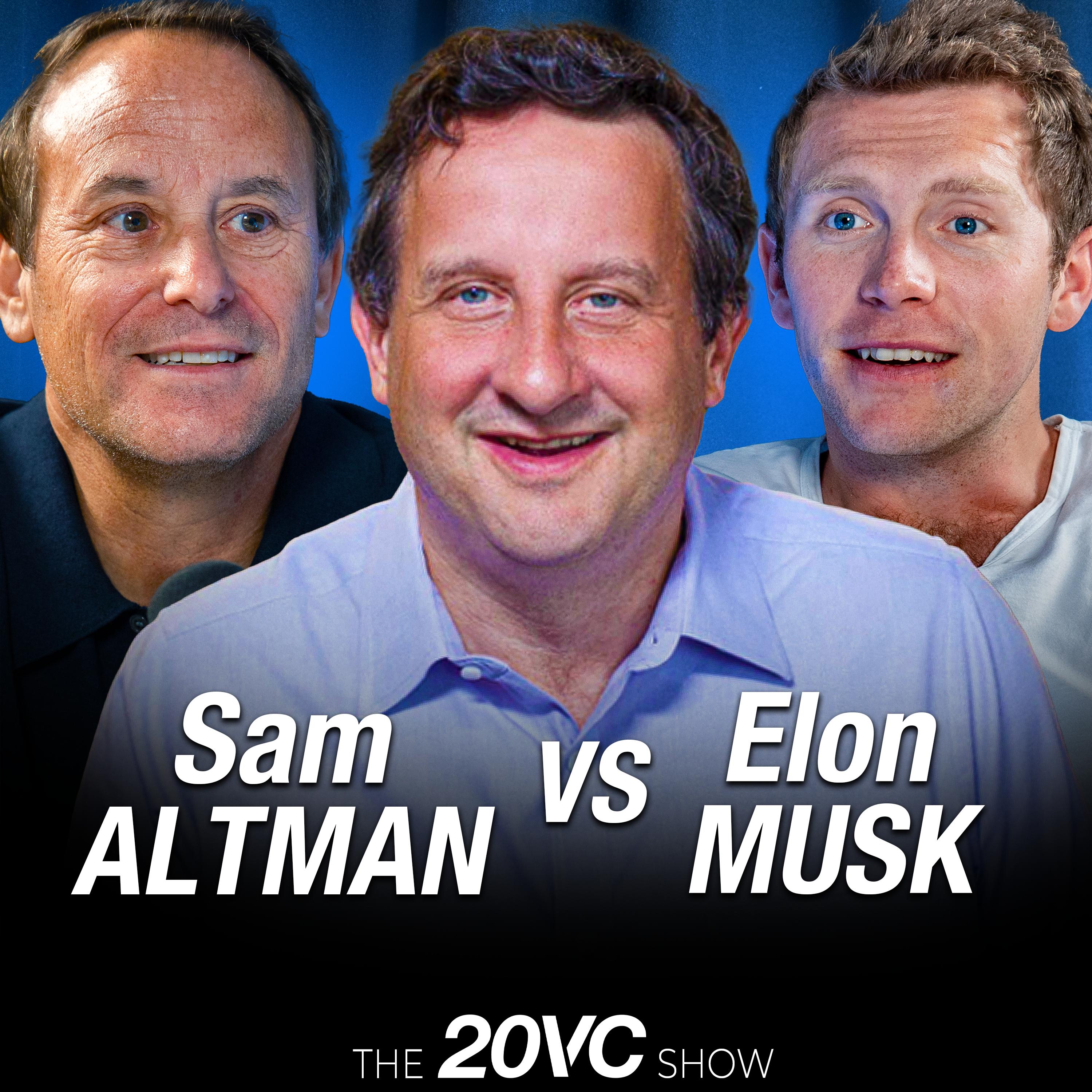
The lawsuit is unlikely to financially cripple OpenAI or reverse its for-profit structure. Its primary impact will be shaping the public narrative around Sam Altman and Elon Musk by revealing internal documents and testing which figure a jury finds more sympathetic. It's a battle for perception, not an existential threat.

The drama at Thinking Machines, where co-founders were fired and immediately rejoined OpenAI, shows the extreme volatility of AI startups. Top talent holds immense leverage, and personal disputes can quickly unravel a company as key players have guaranteed soft landings back at established labs, making retention incredibly difficult.

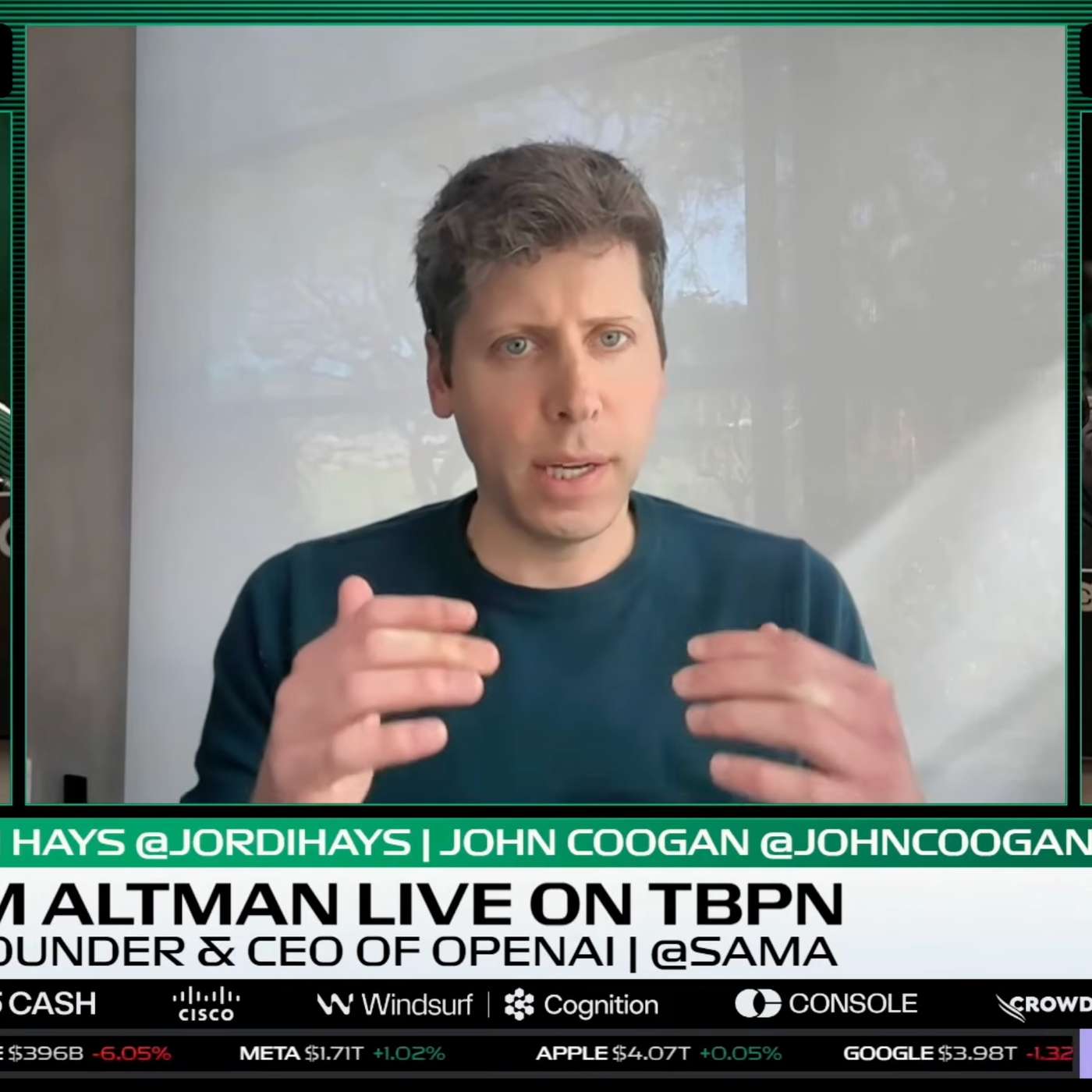
Sam Altman reveals a stark disconnect between the "crazy hurricane" of media perception and the focused internal reality at OpenAI. The team is too busy building to be consumed by external drama, which they often view as being almost completely divorced from reality.
An xAI employee gave a detailed podcast interview about the company's inner workings and subsequently left. This incident highlights the tension in high-stakes ventures like Elon Musk's, where a culture of radical autonomy ("no one tells me no") can clash with the need for tight control over sensitive information.

The implosion of AI startup Thinking Machines highlights a critical risk: deep-tech companies require CEOs with profound technical expertise. Top researchers are motivated by working on hard problems with visionary technical leaders, and a non-technical CEO struggles to attract and retain this S-tier talent.
Musk's success stems from his unique ability to attract hyper-intelligent, maniacally driven individuals. These people are drawn to his high-stakes, high-pressure environment, choosing to "burn out under Musk" rather than be bored elsewhere, creating an unparalleled human capital advantage.

Journalists frequently misinterpret high-profile departures because the true dynamics are known only to a few insiders. An exit reported as a major loss might internally be a welcome change that unblocks an organization, but the public narrative rarely reflects this complexity.

Unlike other tech leaders who celebrate alumni founders, Elon Musk's companies rarely see employees on the podcast circuit. This is a deliberate strategy to control messaging and incentivize long-term commitment. The ideal employee is a quiet, 17-year veteran engineer, not a public-facing superstar who might leave to start their own company.

The public example of X operating with 85% fewer staff created a powerful meta-narrative influencing founders to build leaner. As a result, the median Series A company team size has dropped from 25 employees in 2021 to a projected 15, a significant shift toward capital efficiency over hiring.
